
Category: Food safety
-
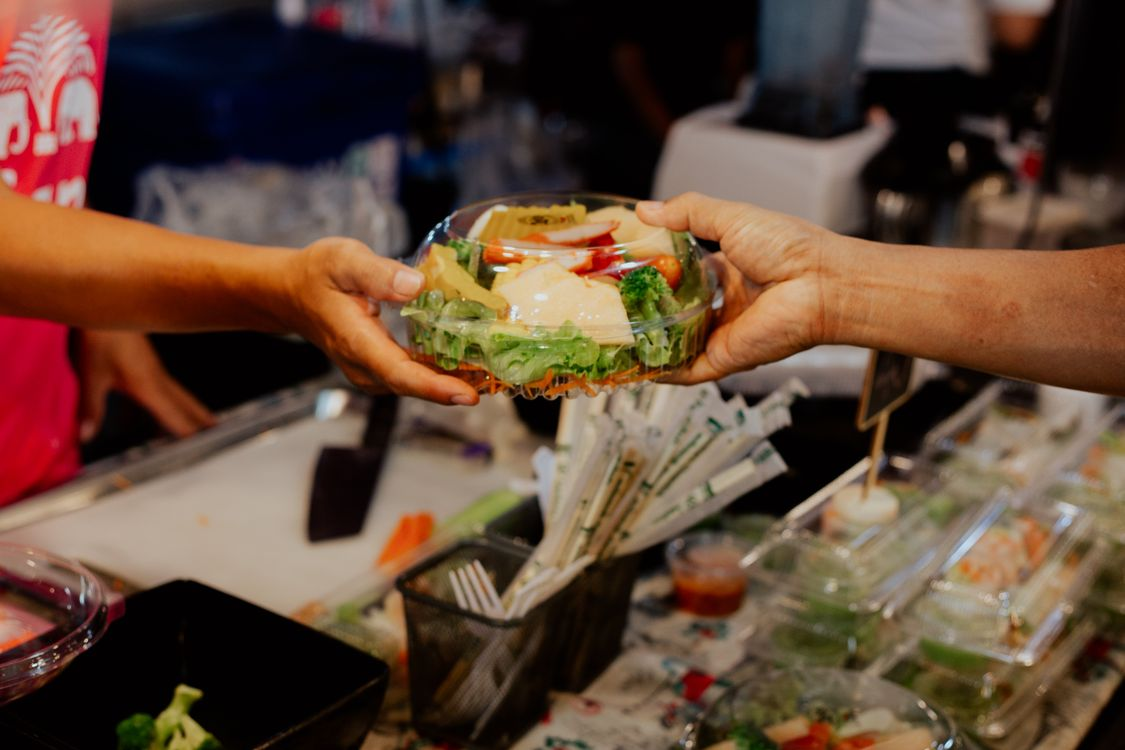
Tesco has recalled coleslaw after an allergen labelling error emerged. Some packs may contain a different potato-salad product containing mustard, creating a risk because the allergen is not declared on the exterior label.
-
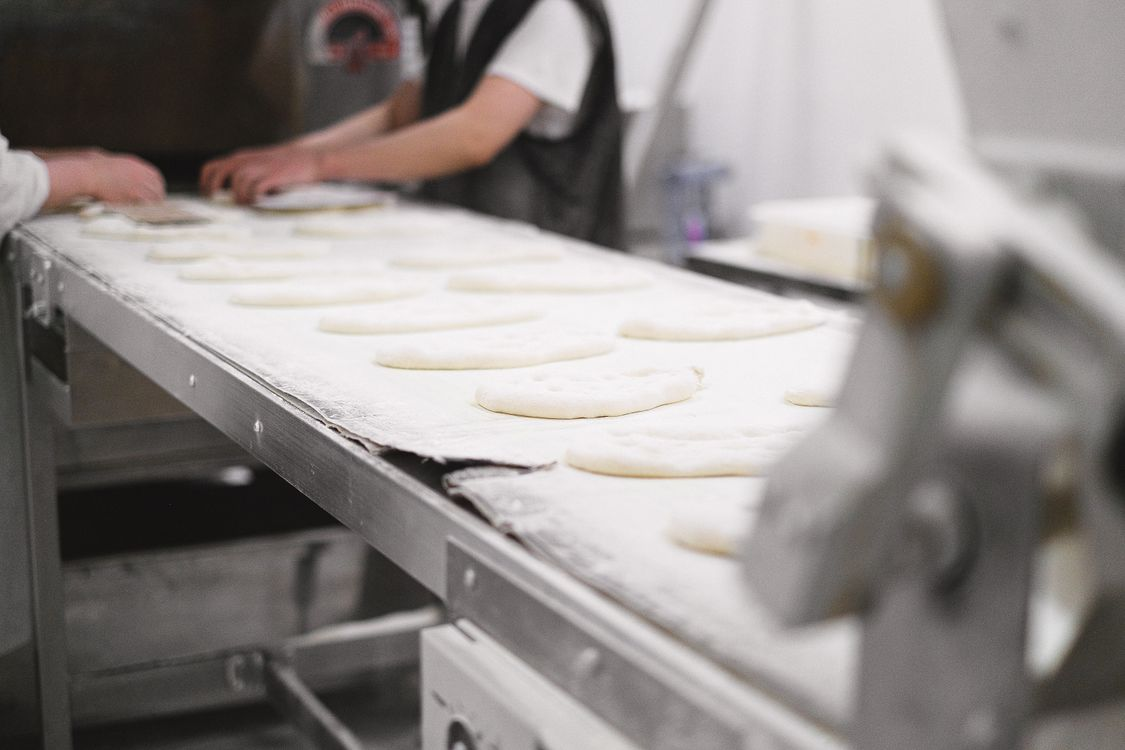
David Wood Baking has been fined after a conveyor injury. A worker suffered multiple fractures after becoming trapped in an unguarded roller while cleaning a sausage-roll production line at the company’s Sheerness factory.
-

The FSA is advancing three CBD novel food authorisation applications. Proposed conditions cover a 10mg daily intake, mandatory warnings, controlled-cannabinoid limits, and defined permitted uses before ministers make final decisions.
-

FSA proposals could reshape national regulation for large food businesses. Manufacturers are outside the initial retail focus, but discovery work begins this month on whether a future model could extend to them.
-
Researchers propose chemical grouping to address food packaging safety gaps. The method identifies 38 priority groups and provides screening tools for packaging developers managing substitutions and incomplete hazard data.
-
EU regulators are defining how new genomic technique rules operate. The Commission wants evidence on procedures for verification, release, and market applications before Regulation (EU) 2026/1388 applies in July 2028.
-
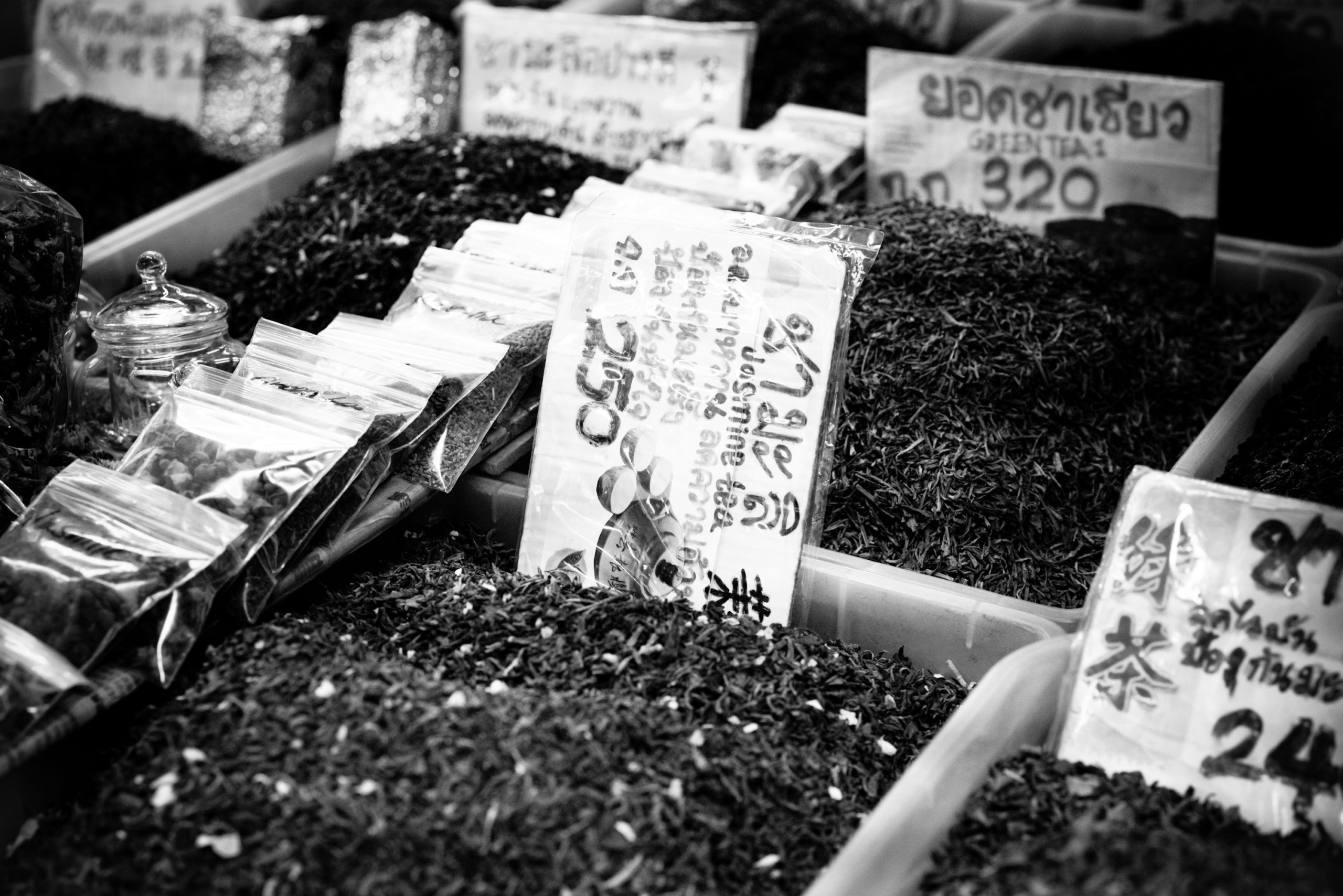
New framework ranks microbiological risks across dried food ingredient chains. The approach combines pathogen evidence, product use, supply-chain history, and downstream controls to support proportionate mitigation decisions.
-

Wholechain and iFoodDS have linked seafood traceability systems for suppliers. The integration allows standards-based data exchange across Trace Exchange while businesses prepare for FDA’s expanded lot-level recordkeeping requirements.
-
ByHeart has advanced its restart plan after FDA review milestones. New testing, supplier qualification, sanitation measures, and preventive controls now sit at the centre of its post-outbreak manufacturing programme.
-
Tesco has recalled a chilled salad over possible STEC contamination. Three use-by dates are affected, putting renewed attention on microbiological controls across short-shelf-life ready-to-eat production.