
Category: Technology
-

ADM plans a $55.5 million Clinton precision-fermentation facility conversion project. Separation, purification, drying, and packaging equipment will support larger-scale production of proteins, enzymes, and other high-value biobased products at the Iowa complex.
-
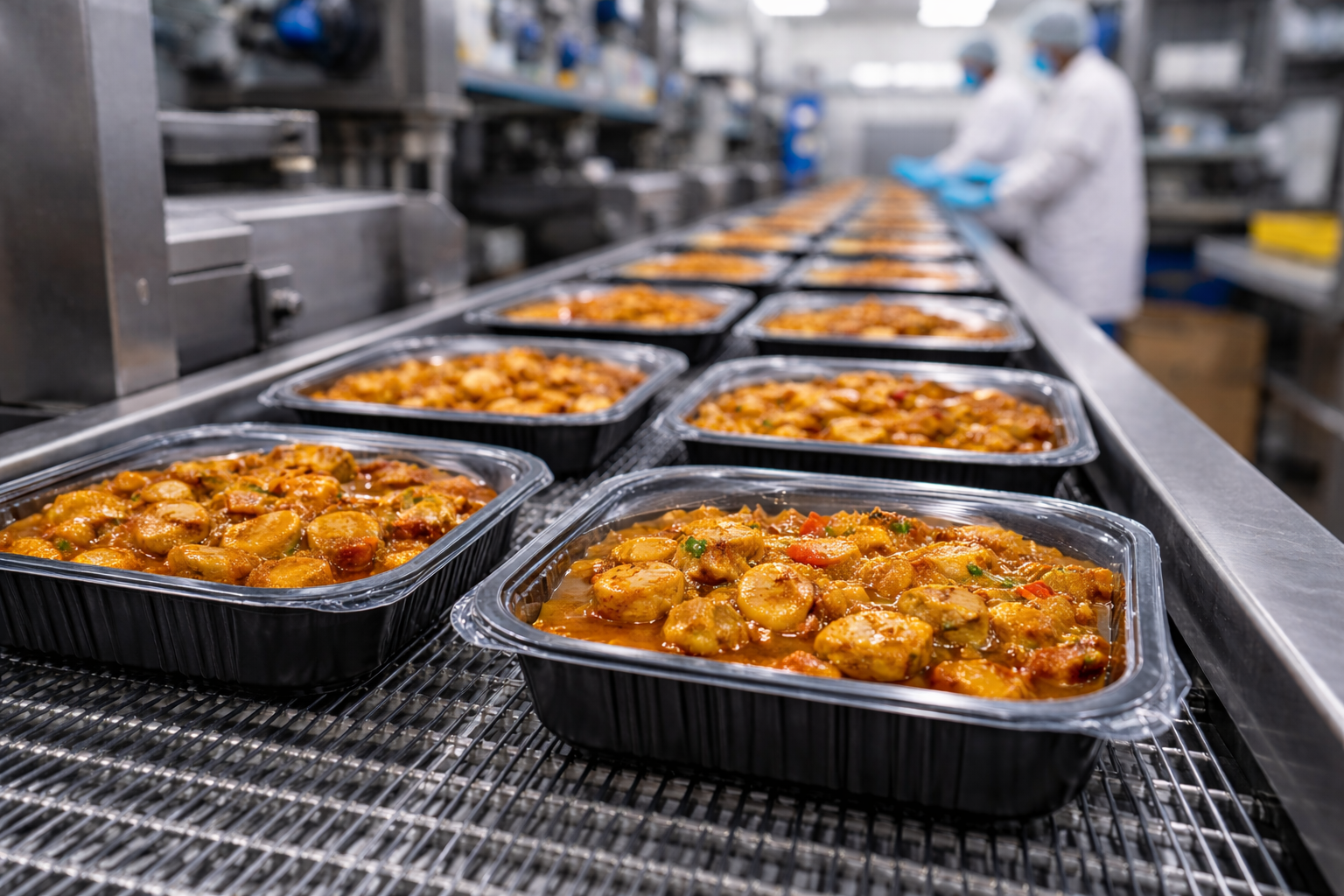
KM Packaging has launched K-Peel VPMe for recyclable tray lidding. The 55-micron barrier film seals PET, polypropylene, and polyethylene trays across microwave meals, snack packs, prepared foods, and fresh-protein applications.
-
Ahlstrom has expanded grease-resistant papers for North American foodservice packaging. Grease-Gard PLUS adds water holdout, while PRO targets hot-food packs requiring greater grease resistance and heat retention.
-
ÄIO and TFTAK secured funding for automated microbial oil development. DigiFoundry 2.0 will integrate strain engineering, process control, automation, and data to lower microbial oil development and manufacturing costs.
-
MAASH has secured new funding for French industrial mycoprotein production. The €12.15 million package will support a 12 m³ demonstration plant and preparation for annual output of 10,000 tonnes.
-
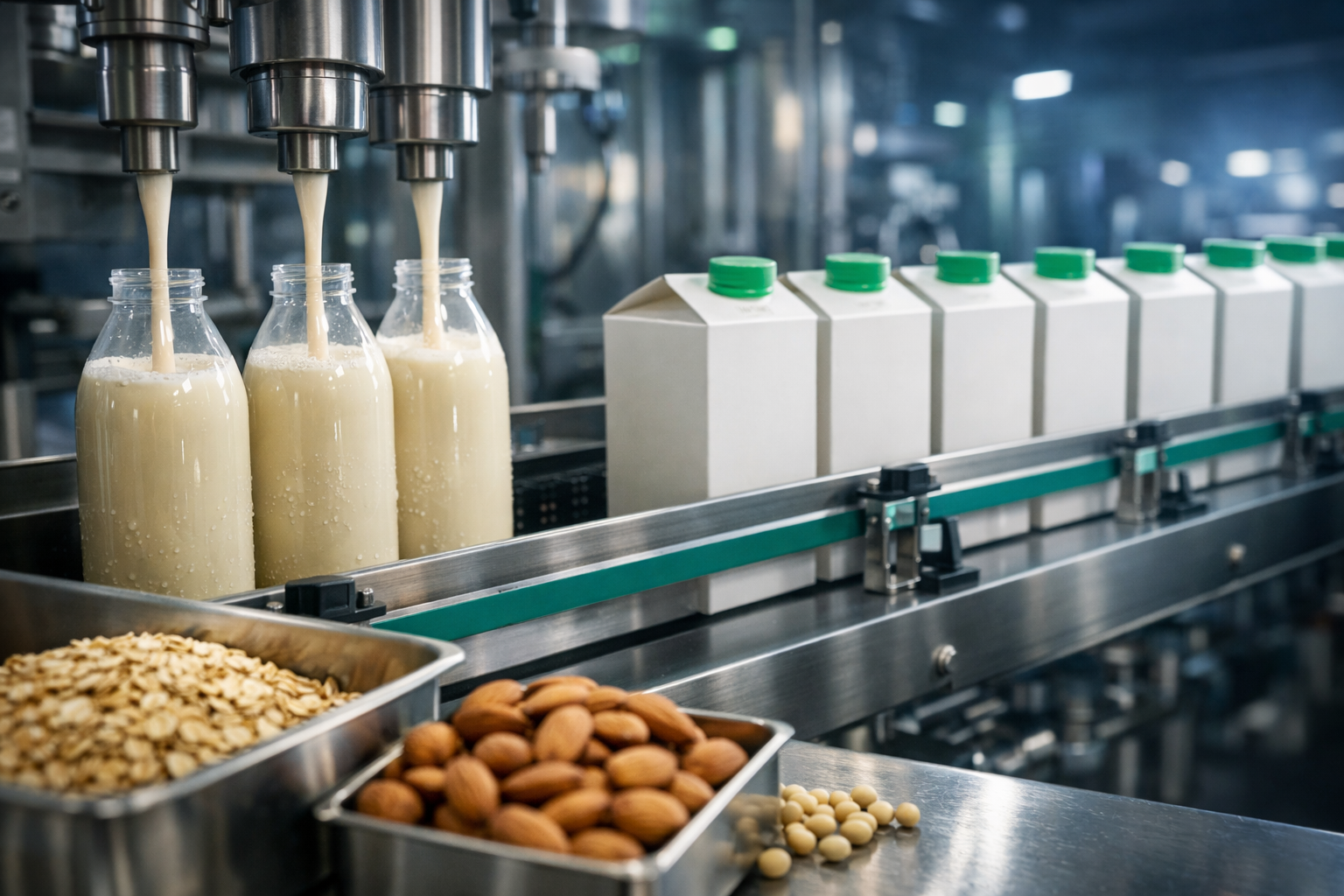
Edible Garden and Square Roots plan functional ready-to-drink beverages together. Their non-binding agreement links controlled-environment crop development with formulation work and a planned Iowa manufacturing platform exceeding 100 million units annually.
-

Fungal fermentation is improving the nutritional performance of pea flour. UMass Amherst researchers found Aspergillus oryzae removed 90.75% of substrate starch while increasing protein yield and reducing antinutritional compounds.
-
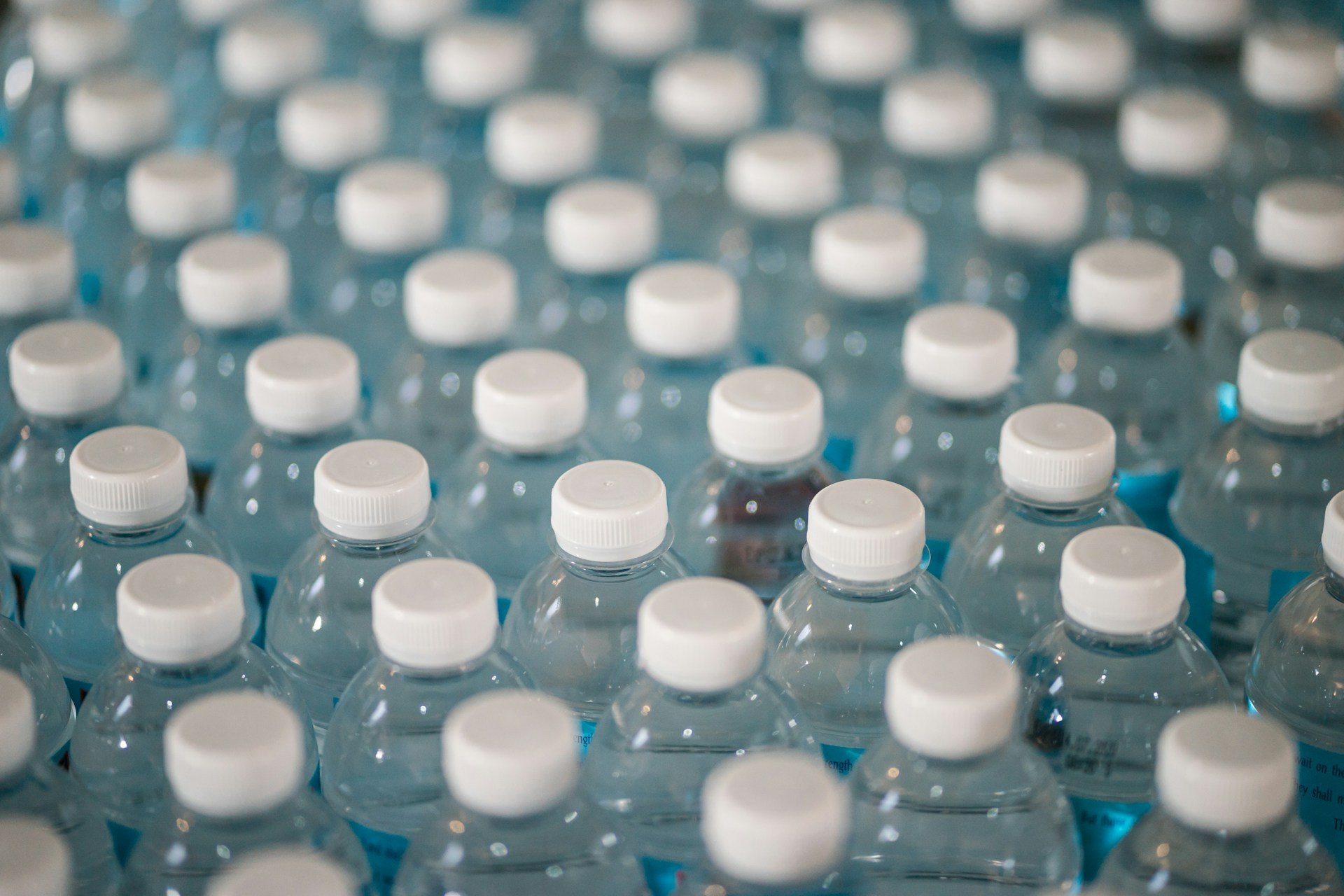
Researchers are converting plastic and crop waste into food ingredients. The SIU Carbondale process combines hydrothermal breakdown with engineered yeasts to produce protein-rich biomass and compounds including vanillin and beta-carotene.
-
American Packaging has expanded tea-packaging conversion capabilities through new equipment. Electron-beam coating and precision slitting investments target aroma protection, surface performance, tighter roll tolerances, and more consistent operation on high-speed filling lines.
-
Indorama Ventures is bringing direct recycled-PET preform production to Thailand. Its partnership with Suntory and Iwatani will deploy Flake-to-Preform technology at commercial scale, with output equivalent to about 400 million bottles annually from 2028.