IN Brief:
- Coca-Cola Consolidated will invest $35m in a new glass bottling line at Indianapolis.
- Construction is expected to begin in late 2026, creating 15 to 20 full-time jobs.
- The site already operates PET, rPET, and can lines, giving it a broader packaging mix.
Coca-Cola Consolidated is investing $35m in its Indianapolis manufacturing facility to add a new glass bottling line and expand local production capability.
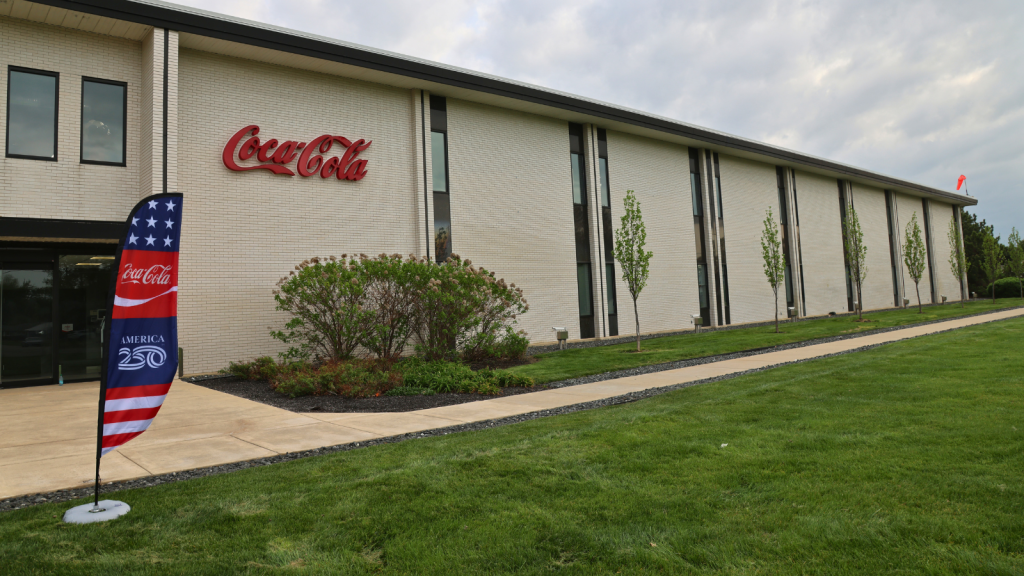
The new line will be installed at the company’s facility at 5000 West 25th Street in Indianapolis. Construction is expected to begin in late 2026, with the expansion creating 15 to 20 full-time jobs and supporting additional activity across construction, suppliers, and local services.
Once complete, the investment will make the Indianapolis site one of only three facilities in the US Coca-Cola system able to bottle beverages in glass. The plant has operated since 1968 and currently houses four production lines: two PET and rPET bottle lines, and two can lines. It also includes a production warehouse.
Dave Katz, president and chief operating officer at Coca-Cola Consolidated, said: “This expansion is another example of how we strategically invest in our business to build a solid operational foundation and create opportunities for our teammates in the communities where they live and work.”
He added: “We are excited about the impact this investment will have in the local community and look forward to continuing our long-standing relationships with dedicated community partners.”
Coca-Cola Consolidated employs more than 1,200 people across Indiana, operating nine facilities and serving more than 17,500 businesses in the state. The company is the largest Coca-Cola bottler in the US, operating across the Southeast, Midwest, and Mid-Atlantic, with corporate offices in Charlotte, North Carolina.
The Indianapolis investment expands packaging capability as well as regional manufacturing capacity. Beverage companies have spent recent years increasing recycled PET use, reducing pack weights, adding can capacity, and managing shifts in material availability. Glass remains a more specialist soft drinks format in many US supply chains, but it retains value in premium, hospitality, and selected retail channels.
Adding glass capacity to a site that already produces PET, rPET, and cans gives the bottler a more flexible manufacturing base. Beverage companies are managing SKU complexity, channel-specific packaging requirements, and changing expectations around sustainability and premiumisation. A broader packaging mix can help balance demand across channels, especially where glass is tied to particular brand formats or regional supply needs.
The investment also strengthens supply resilience. Recent packaging disruption has shown the risk of relying too heavily on any single format, whether pressure comes from resin supply, aluminium pricing, glass availability, transport costs, or line capacity. Multi-format plants create options, but they also require stronger technical expertise, maintenance capability, and production scheduling.
Glass bottling brings specific operational requirements. Lines need container handling, inspection, filling controls, closure systems, and secondary packaging integration suited to heavier, more fragile packaging. The format affects warehouse handling and transport planning as well as line design.
The decision to add glass capacity signals demand strong enough to justify both capital cost and operational complexity. It also reinforces packaging strategy as a manufacturing-capability issue, with bottlers investing in formats that can serve different channels from a controlled production footprint.