IN Brief:
- Solar Foods has joined the EU-funded BalticSeaH2 hydrogen economy project.
- The company has received €350,000 to increase Solein production capacity at Factory 01.
- The project connects air-based protein production with Europe’s wider hydrogen infrastructure buildout.
Solar Foods has joined the EU-funded BalticSeaH2 hydrogen economy project, securing €350,000 in funding to increase production capacity for Solein at its Factory 01 site in Finland.
The company produces Solein, a protein ingredient made through gas fermentation using inputs including hydrogen and carbon dioxide. Its role in BalticSeaH2 places the process within Europe’s developing hydrogen economy, connecting food ingredient production with industrial energy infrastructure.
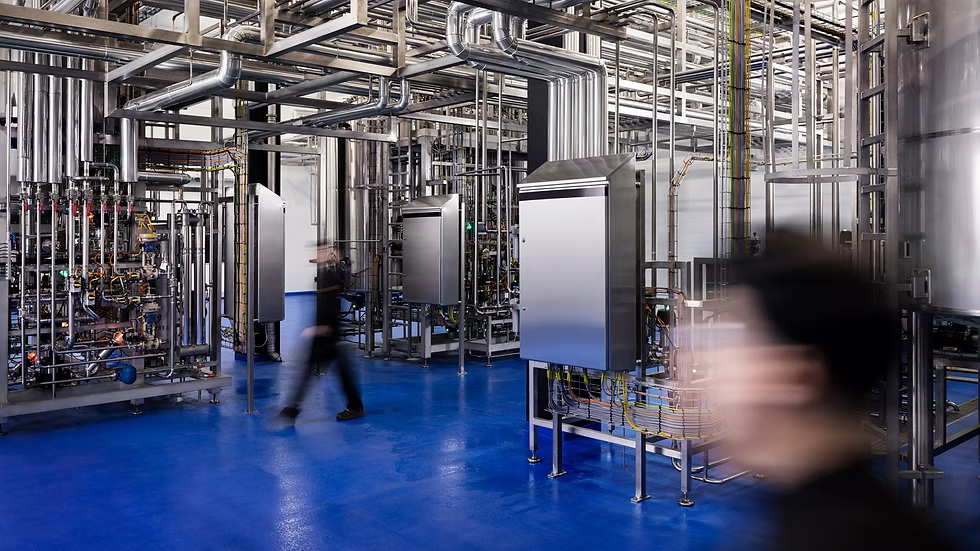
Factory 01 is Solar Foods’ first commercial-scale production facility. The new funding supports further scale-up at the site while the company continues work on larger production plans, including its proposed Factory 02 facility.
IN Food has already covered Solar Foods’ US patent grant for the Solein production process, which strengthened the company’s intellectual-property position as it works toward larger-scale production. BalticSeaH2 adds a further layer by tying the process to the infrastructure needed to support hydrogen-linked manufacturing.
Alternative protein development is moving into a more industrial phase. Nutrition, novelty, and consumer positioning remain important, but production economics, energy inputs, bioprocess reliability, permitting, and regional infrastructure will decide which platforms can grow beyond demonstration scale.
Solein’s production model depends on process energy and gas inputs rather than conventional agriculture. That creates potential land-use advantages, but it also links production economics to the availability, cost, and carbon profile of hydrogen and electricity. Broader hydrogen infrastructure could improve the case for scale-up, while high energy costs or limited clean hydrogen supply would add friction.
BalticSeaH2 gives Solar Foods a place within a wider European systems project rather than a single-site fermentation buildout. Food ingredients could become one of several industrial uses for hydrogen as regional networks develop and seek stable offtake routes.
Commercial progress will still depend on consistent supply, market approvals, application performance, and cost. Novel proteins have faced tougher investor scrutiny in recent years, with more pressure on businesses to demonstrate credible scale pathways and clear routes into food manufacturing.
Solar Foods now has several pieces of that scale-up case in motion. Factory 01 provides operating evidence, patent protection strengthens the process base, and BalticSeaH2 connects Solein production to regional hydrogen deployment. The next challenge is turning that infrastructure alignment into ingredient volumes that food manufacturers can use reliably and economically.