IN Brief:
- Meatly has raised £10.4m in Series A funding for a 20,000-litre cultivated meat pilot site in London.
- The facility is expected to support cultivated pet food production, with launches targeted from 2027.
- The project moves cultivated meat further into pilot-scale manufacturing, where bioreactor economics and process reliability become decisive.
Meatly is planning a 20,000-litre cultivated meat pilot facility in London after securing £10.4m in Series A funding from investors including Oyster Bay Venture Capital, Clean Growth Fund, and JamJar Investments.
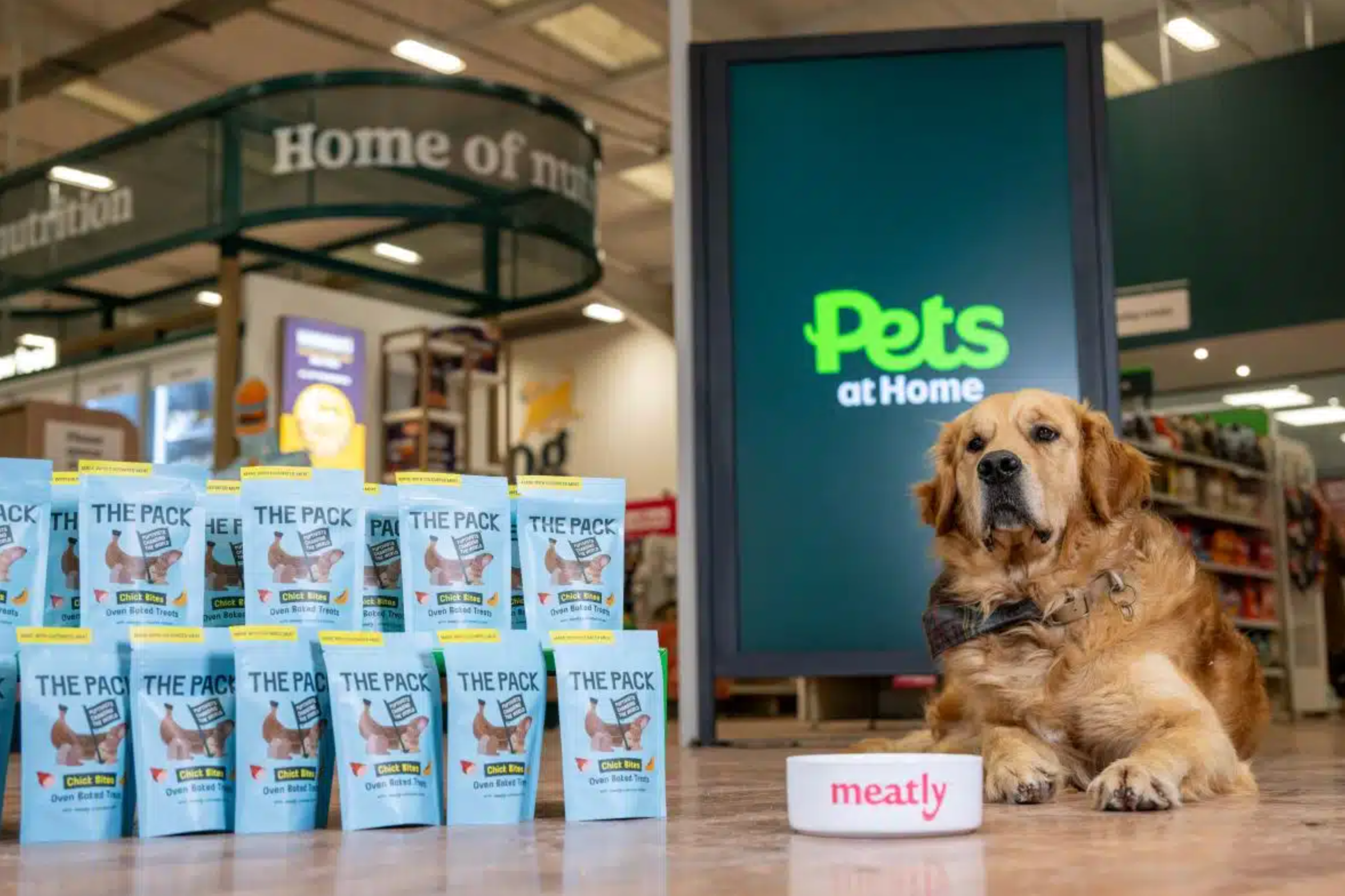
The funding will support the fit-out of a pilot-scale site designed to produce cultivated meat for pet food applications. Product launches from the facility are expected from 2027, building on Meatly’s earlier work in cultivated chicken for pet food and its limited release of Chick Bites with THE PACK.
The company’s route into pet food gives the project a different commercial profile from cultivated meat businesses targeting human food first. Pet food offers clear protein demand, established premiumisation, and a route into animal-derived ingredients where welfare and sustainability claims can be closely linked to product positioning.
The industrial test sits in the bioreactor volume. Cultivated meat has moved through several waves of technical development, but scale remains the central constraint. Lab systems and small bioreactors can prove a process. A 20,000-litre pilot site tests whether cell culture can be turned into repeatable production under more realistic manufacturing conditions.
IN Food recently explored how plant-based meat product design is being pushed toward stronger nutritional and functional performance. Cultivated meat faces a parallel challenge with a heavier process burden. It must deliver a credible product while proving that production systems can support cost reduction, hygiene control, media efficiency, and downstream processing at scale.
The London facility will test more than output volume. Cultivated meat production depends on cell line performance, culture media cost, bioreactor design, contamination control, harvesting, formulation, and the ability to repeat batches without excessive variability. Those are manufacturing problems before they are brand problems.
The funding arrives as cultivated meat faces stricter scrutiny on capex, unit economics, regulatory timelines, and consumer adoption. Pilot facilities are expected to provide credible production learning rather than scale announcements alone. Facilities that can generate process data, reduce costs, and improve repeatability will be better placed as the alternative protein sector consolidates.
Pet food may prove a practical first market because animal protein demand is high and product premiumisation is established. Cultivated meat offers a route to animal-derived protein without raising and slaughtering animals specifically for pet food. The commercial test is whether that proposition can support a product at a price and volume suitable for premium pet food channels.
The planned facility places Meatly into the more serious stage of cultivated meat development: building plant, increasing production volume, and turning cell-culture expertise into an operating manufacturing system.