IN Brief:
- PepsiCo and Fertiberia are extending low-carbon fertiliser use across around 400,000 acres of European potato and corn farmland.
- The programme will support more than 1,500 farmers supplying crops for brands including Lay’s, Doritos, Cheetos, and Ruffles.
- Fertiliser decarbonisation is moving into procurement strategy as snack producers address emissions beyond the factory gate.
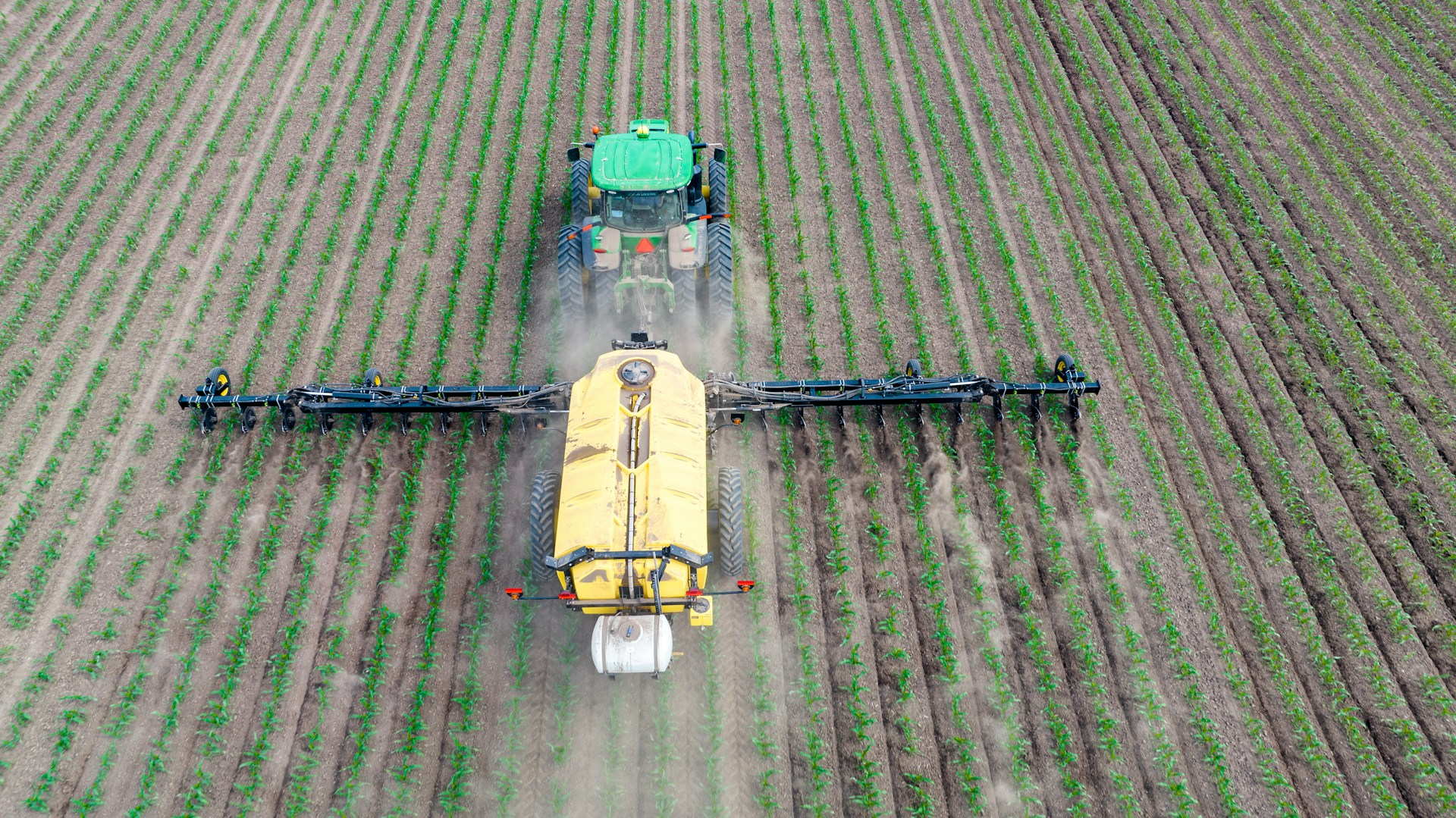
PepsiCo and Fertiberia have signed a long-term agreement to scale low-carbon fertiliser across European potato and corn supply chains, covering approximately 400,000 acres of farmland used to grow ingredients for major snack brands including Lay’s, Doritos, Cheetos, and Ruffles.
The programme will support more than 1,500 farmers across Europe, building on earlier work in Spain and Portugal. Fertiberia will supply Impact Zero, its green hydrogen-based fertiliser, as PepsiCo works to reduce emissions linked to agricultural inputs and strengthen the environmental profile of its crop supply.
Fertiliser remains one of the more difficult emissions sources in food production because it sits upstream of the factory while shaping the cost, availability, and consistency of raw materials. Potato and corn quality, crop yield, storage performance, and processing suitability are all tied to resilient agricultural systems.
The agreement gives PepsiCo a larger European platform for addressing one of the most emissions-intensive parts of its ingredient chain. It also reflects a wider change in how major food manufacturers are treating agricultural inputs. Decarbonisation is moving beyond renewable electricity contracts, packaging redesign, and factory energy efficiency into the agronomy behind high-volume food production.
IN Food recently covered how fertiliser costs are feeding into food production resilience, with supply, affordability, and environmental performance creating pressure across the agricultural inputs market. Those issues are especially visible in crops that sit close to the processing economy, including cereals, potatoes, and maize.
PepsiCo’s programme will need to work across a fragmented farm base and multiple European growing regions. Low-carbon fertiliser can only deliver practical value if it is available at scale, fits established farming systems, and supports crop performance without introducing new uncertainty into raw material specifications.
The link with green hydrogen adds an industrial energy dimension. Fertiliser production is closely tied to ammonia, gas, and energy markets, leaving food manufacturers exposed to volatility beyond the farm gate. Green hydrogen-based inputs could help reduce emissions while diversifying the input base, provided production capacity and cost move in the right direction.
Food manufacturers are increasingly treating soil, fertiliser, and crop systems as part of manufacturing resilience. Factories cannot process crops that are too expensive, too variable, or too exposed to climate and input shocks. PepsiCo’s agreement with Fertiberia places farm-level emissions reduction inside a broader supply strategy for snack production, where decarbonisation has to sit alongside yield, specification, and raw material continuity.