IN Brief:
- New Parma plant focuses on cutting and packaging hard cheeses, including Parmigiano Reggiano.
- A €1m renovation installed new packaging lines and modernised production areas.
- The site becomes DalterFood’s second production hub alongside Sant’Ilario d’Enza.
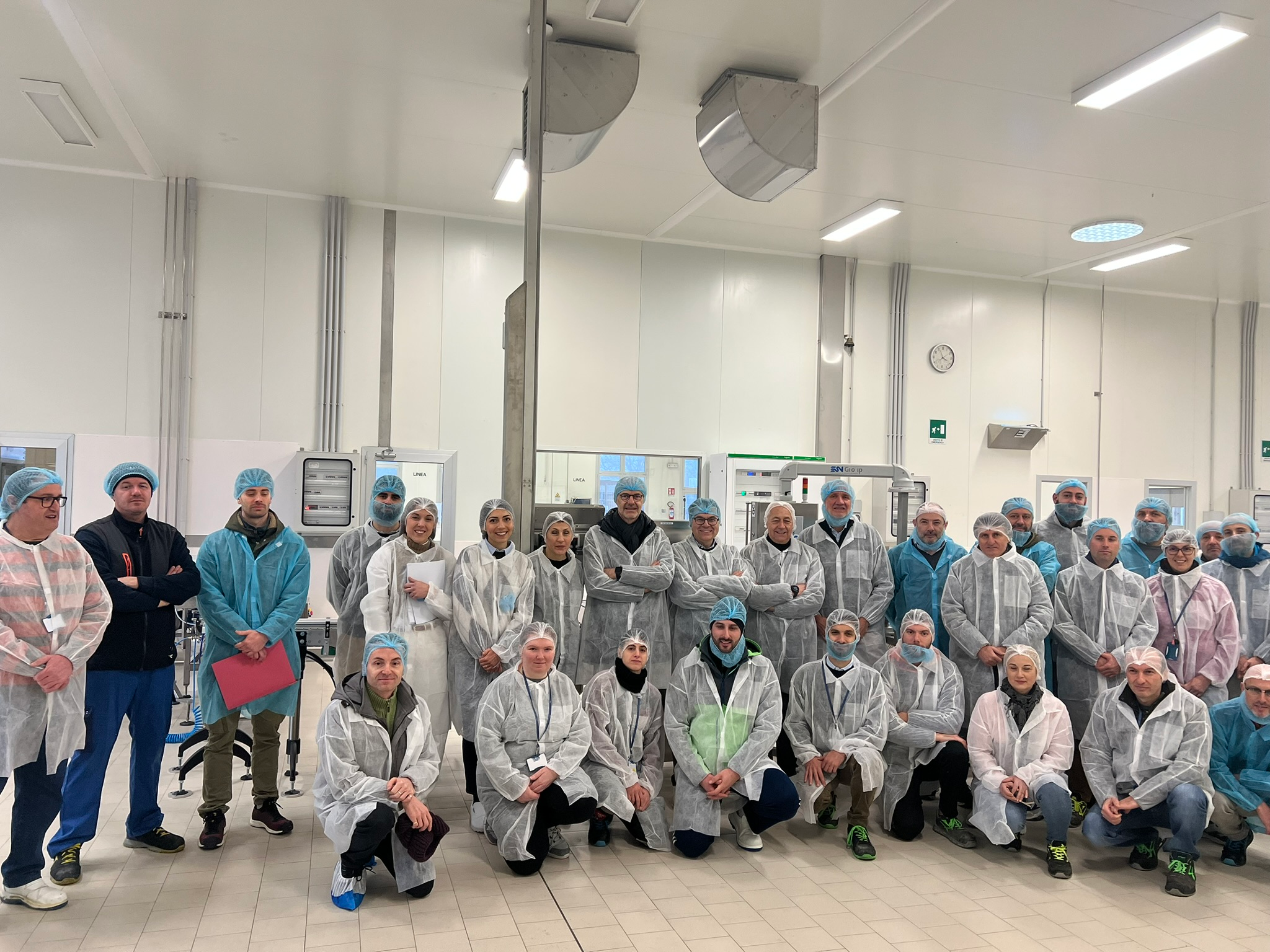
Italian dairy processor DalterFood Group has brought a new hard-cheese cutting and packaging plant into operation in Parma, expanding its capacity in the part of the value chain where portioning accuracy, food safety, and pack consistency determine customer confidence — especially in export and foodservice channels.
The facility, on Via Emilio Lepido, became operational on 2 February 2026. DalterFood says the site was acquired in 2022 and underwent a complete renovation during 2025, backed by a €1 million investment that enabled new packaging lines and broader modernisation of equipment and production spaces. Initial production runs have started, with additional lines set to come online progressively over the next few months.
The Parma site is designed to serve demand for Italian hard cheeses, particularly Parmigiano Reggiano, where international markets increasingly pull product into pre-portioned formats for retail and professional kitchens. That shift places pressure on processors to deliver tighter weight control and more consistent pack presentation, while maintaining the integrity of the cheese — no small ask for a brittle, aged product that does not behave like a uniform block.
In parallel, DalterFood is framing the upgrade as a quality and sustainability play. The company says the plant includes advanced quality-control systems intended to support high production standards, and it highlights energy-efficiency improvements and broader measures aimed at reducing environmental impact.
“The opening of the new plant is a strategic step that strengthens our competitiveness in international markets,” said Andrea Guidi, General Manager at DalterFood Group, linking the investment directly to export performance and service levels across retail and foodservice customers.
The timing also follows a strong market backdrop for Parmigiano Reggiano as a category. The Parmigiano Reggiano Consortium has reported record consumer turnover in 2024, with export now close to half of total sales volume — a trajectory that tends to favour processors capable of delivering consistent cuts, formats, and compliance documentation at pace.
For DalterFood, the Parma plant becomes a second production site alongside its historic Sant’Ilario d’Enza facility, adding flexibility across customer programmes and seasonal peaks. In practical terms, that means more resilience: if one line is down, if one format surges, or if export orders need to be pulled forward, the network can absorb the load without forcing compromises on specification.