IN Brief:
- Dutch authorities investigated Esro over suspected use of materials not permitted for human food production.
- A formal assessment found negligible microbial and prion risk from the products examined.
- The case separates immediate public health risk from failures involving accreditation, documentation, raw material control, and legal suitability.
Esro Food Group is at the centre of a Dutch enforcement and risk assessment case involving meat products manufactured from materials that authorities consider unsuitable for human consumption.
The Netherlands Food and Consumer Product Safety Authority, NVWA, expanded a withdrawal after concerns that the processor had used cattle heads and other raw materials outside the permitted human food chain. Investigators also suspected that documentation connected with the material had been falsified.
Esro’s approval was withdrawn, and the affected Dutch processing business subsequently entered bankruptcy. The company’s international operations have continued separately, while notices on its website have set out the insolvency position of the Dutch entities.
After examining the possible health consequences, the NVWA’s Office of Risk Assessment and Research concluded that the microbial risk was negligible. The assessment included products handled by recognised downstream food businesses using validated heat treatment.
Assessors also considered whether brain material associated with bovine heads could introduce prion risk. Under the circumstances examined, risk to people and cats was classed as negligible, while risk to dogs was considered absent.
Although the assessed health risk was low, those findings do not make the raw material legally acceptable. Specified risk material, feed residues, and animal parts not authorised for human consumption remain excluded regardless of whether a retrospective assessment concludes that illness was unlikely.
Food law controls more than the probability that an individual batch will cause disease. Defined material routes, approved establishments, identification requirements, hygiene rules, and documentation controls are intended to stop unsuitable or uncertain inputs entering production before their risk must be reconstructed afterwards.
Legal suitability and health risk remain separate
By focusing on likely harm, a negligible microbial assessment answers a narrower question than the enforcement investigation. It considers the likelihood of harm from material that may have entered products, whereas approval status, document accuracy, raw material eligibility, and compliance with operating controls remain separate matters.
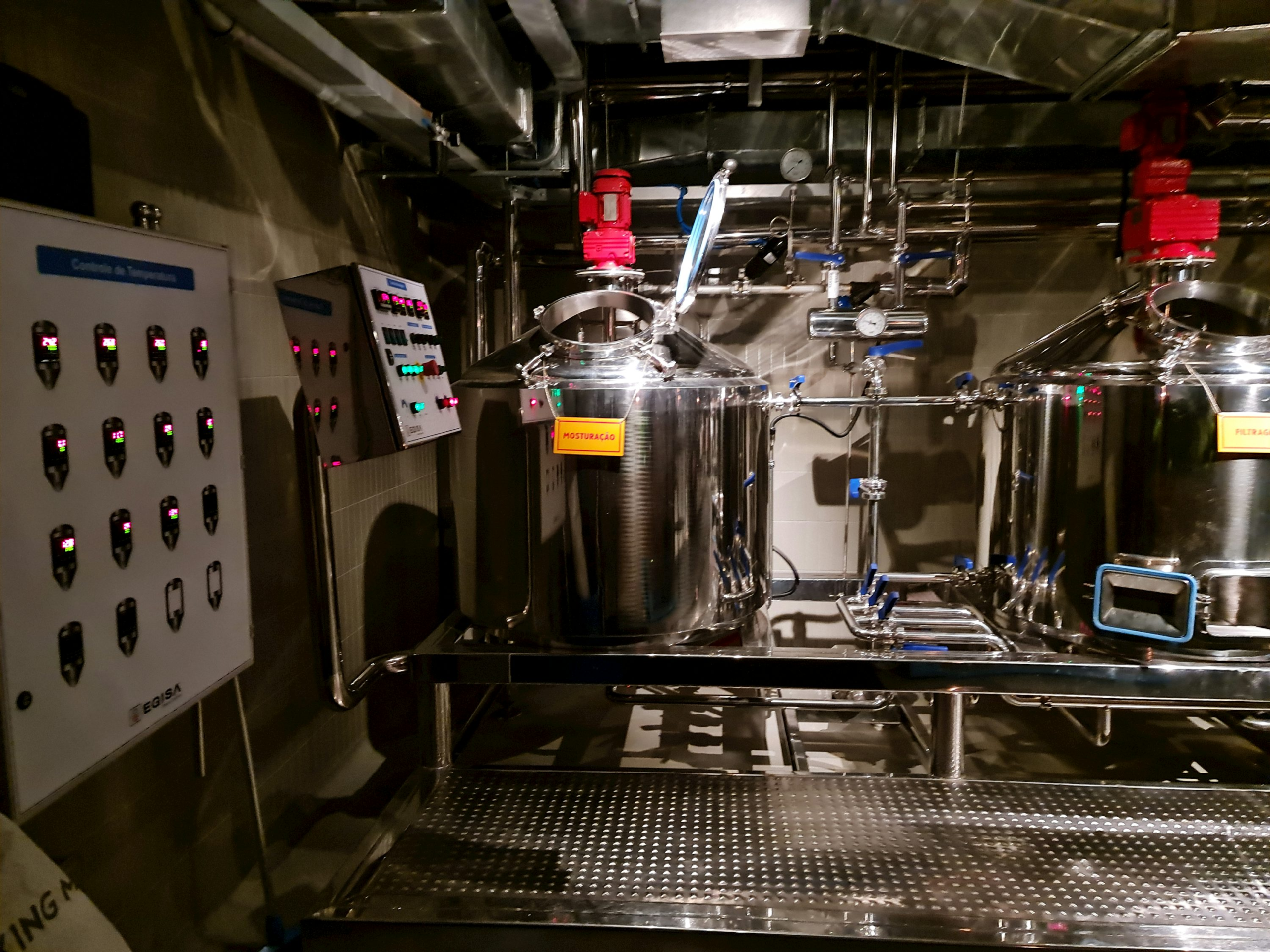
Meat processors maintain strict separation between edible material, animal byproducts, specified risk material, feed routes, and waste. Since those streams can exist close together within slaughter and cutting operations, identification and segregation must continue through storage, transport, processing, and dispatch.
Documentation must correspond with the physical material rather than merely travel alongside it. Supplier approval, consignment records, species and cut identification, veterinary marks, temperature history, batch codes, and mass balance information collectively establish whether a load may enter a food process.
When records cannot be trusted, downstream hazard analysis loses its foundation and every subsequent control rests on uncertain material history. Heat treatment may control vegetative pathogens, but it does not correct false origin information, remove every chemical or physical hazard, or convert prohibited raw material into a legally suitable food ingredient.
Alongside the documentation failures, the case demonstrates both the protective role and the limits of downstream processing. Pasteurisation or another validated treatment may substantially reduce microbial exposure, yet the degree of protection depends on the product, target hazard, process conditions, cold spots, equipment control, and integrity of the validation.
Because not every meat product receives a lethal treatment, the strength of downstream protection varies considerably between customers. Minced meat, raw preparations, cured products, and lightly cooked foods retain greater dependence on the microbiological quality and legal status of incoming material, so the same upstream failure can produce very different outcomes across customers.
Accreditation withdrawal and insolvency complicate traceability because customers must locate stock, material already incorporated into finished products, goods transferred between sites, and records held by a business that may no longer retain normal staffing or system access.
Administrators and regulators must preserve data while commercial operations are being wound down or separated. Batch records, invoices, laboratory results, electronic messages, dispatch information, and supplier documents may be needed long after routine access to the company’s systems has changed.
Clear communication is equally important when products are removed for legal noncompliance rather than a demonstrated acute danger. Describing the health risk accurately prevents unnecessary alarm, while maintaining the distinction between low assessed harm and unacceptable production practice.
Supplier assurance programmes commonly focus on certificates, audit scores, and approval status, yet those controls can become stale between review dates. Purchase patterns, unusual raw material descriptions, unexplained price differences, inconsistent yields, altered documents, or volumes that exceed a supplier’s known capacity can provide additional warning signals.
Mass balance checks are particularly useful in meat processing because incoming anatomical material should bear a plausible relationship to finished output and byproduct streams. Significant discrepancies may indicate record errors, uncontrolled loss, substitution, or material entering through an unauthorised route.
No associated illness is required for the Esro case to prompt operational review. Raw material eligibility, document integrity, establishment approval, downstream heat treatment, and insolvency traceability have all intersected, showing why a favourable microbial assessment cannot replace lawful and verifiable control of material entering a meat plant.