IN Brief:
- Elea & Lili has raised €2.5 million to industrialise a cellulose-based absorbent material developed from VTT research.
- The company is targeting hygiene and agricultural water-retention applications with a biodegradable, microplastic-free alternative.
- The agriculture case is strengthening as Europe tightens restrictions on synthetic polymer microparticles used in soil-facing applications.
Elea & Lili has raised €2.5 million in seed funding to scale industrial production of its Cellulose Super Absorbent material, positioning the Finnish spinout at the intersection of biomaterials, agriculture, and environmental regulation. The company originates from VTT Technical Research Centre of Finland, which has transferred the underlying technology and intellectual property into the newly established business.
The funding round was led by Lifeline Ventures, with participation from Ikorni Invest Oy Ab and Baltiska Handels Sverige AB. Elea & Lili said the capital will be used for pilot production, industrial validation, commercial development, agricultural field trials, and team expansion as it moves from research-backed material development into early market deployment.
The company’s first commercial focus is split between hygiene products and agriculture, where conventional superabsorbent polymers are widely used for water retention and moisture management. In the agricultural case, the regulatory direction in Europe is becoming more explicit. Commission Regulation (EU) 2023/2055 sets a 17 October 2028 date for products for agricultural and horticultural uses that are not otherwise exempt, while the Commission also identifies synthetic polymer microparticles used to control water flow between fertilisers and soil as an area where environmentally sustainable alternatives are needed.
Elea & Lili says its cellulose-based CSA material is biodegradable and microplastic-free, while being designed to deliver absorption performance comparable to conventional fossil-based materials. The company also says the material is compatible with existing diaper production lines and has undergone safety and skin compatibility testing in line with relevant ISO standards. On the agriculture side, it is presenting the material as a route to water retention and nutrient delivery without leaving persistent plastic residues in soil.
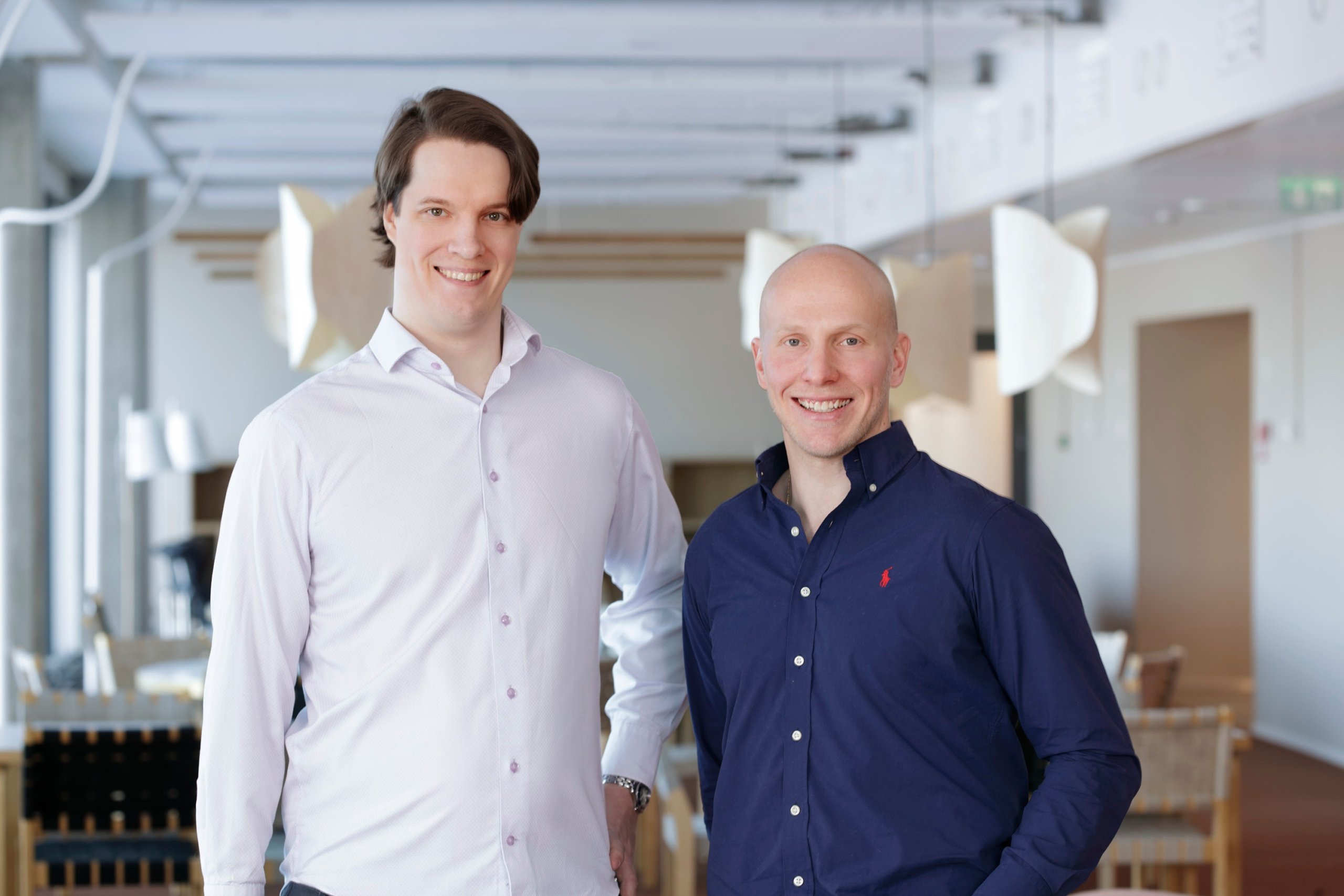
Tatu Miettinen, CEO and co-founder of Elea & Lili, said: “Hygiene and agriculture are equally strategic entry points for us. In both markets, absorbent materials are mission-critical components – and today they are fossil-based. We are replacing them with a scalable biomaterial.”
The next phase is about proving scale, repeatability, and industrial fit, rather than simply demonstrating lab performance. Further details on the material platform and partnership activity are available through Elea & Lili.