IN Brief:
- Intersnack will acquire outstanding Utz Class A shares for $14.25 each in cash.
- Utz will be owned equally by Intersnack and the Rice and Lissette family entities after completion.
- The transaction gives Intersnack direct access to US manufacturing, distribution, brands, and product development capacity.
Intersnack Group has agreed to take Utz Brands private in a transaction valuing the US savoury-snacks manufacturer at approximately $2.9bn.
All outstanding Utz Class A common stock will be acquired for $14.25 per share in cash, representing a premium of approximately 91% to the company’s closing price on 20 July. Once the transaction completes, Intersnack and entities controlled by the Rice and Lissette families will each own 50% of Utz.
The deal is expected to close during the fourth quarter of 2026, subject to shareholder approval, regulatory clearance, and customary conditions. Utz will then cease trading on the New York Stock Exchange, with Dylan Lissette expected to become executive chair.
Financing will include approximately $920m in cash from Intersnack, a new $1.1bn term loan facility, a $250m asset-backed lending facility, and equity retained or reinvested by the founding families.
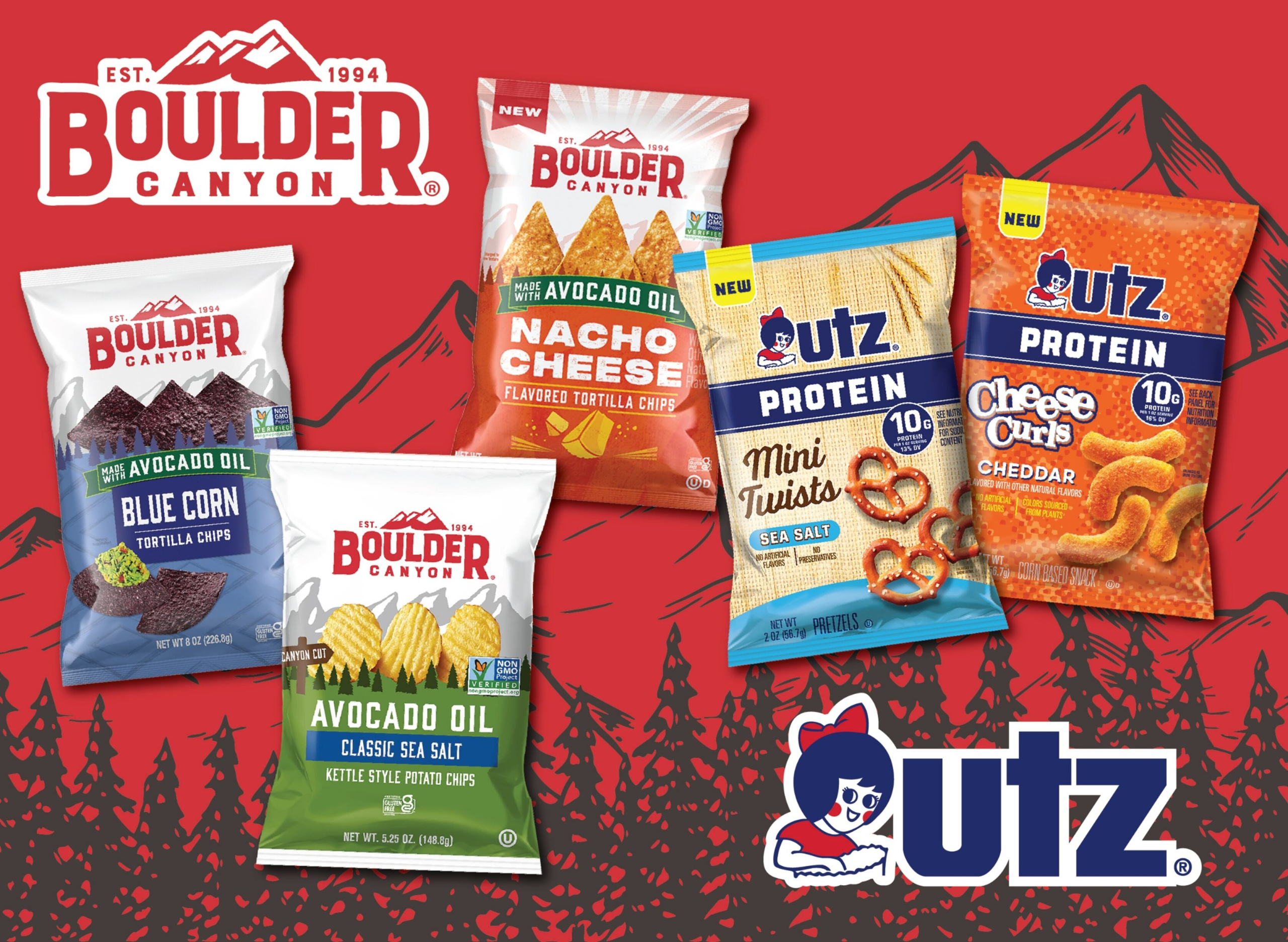
Utz produces brands including Utz, On The Border Chips & Dips, Zapp’s, and Boulder Canyon, supplying grocery, mass retail, club, convenience, drug, and other channels through an established network of US factories and distribution operations.
Intersnack employs around 14,500 people and operates in 31 countries across Europe, Asia, Australia, and New Zealand. Its portfolio includes potato crisps, nuts, baked snacks, and speciality products, with sales of about $5bn reported for 2025.
Local production opens the American market
The acquisition gives Intersnack an established US industrial platform rather than a market served primarily through exports, licensing, or a gradual factory build-out. Snack products are often bulky relative to their value, while shelf life, retailer lead times, and promotional peaks favour production close to the market.
Shipping finished crisp packs across long distances is inefficient because much of the transported volume is air. Local factories also allow seasoning profiles, pack sizes, case configurations, and recipes to be adapted without routing every commercial change through a European production network.
Utz brings existing relationships with growers and suppliers of potatoes, maize, edible oils, nuts, seasonings, flexible film, cartons, and logistics services. Recreating that network independently would require years of qualification, investment, and retailer development.
Intersnack, meanwhile, can contribute procurement scale, process knowledge, product development, and engineering experience gathered across a broad international estate. Frying, baking, seasoning, oil management, packaging, maintenance, and energy performance can be benchmarked between plants operating on both sides of the Atlantic.
The equal-ownership structure retains the founding families rather than replacing them with a wholly foreign parent. Brand stewardship, local relationships, and factory culture can therefore retain continuity while Utz gains access to capital and international technical resources.
Private ownership may also provide more room for long-term industrial projects that do not deliver immediate quarterly gains. Network rationalisation, factory modernisation, and common operating systems can take several years before the financial return becomes visible.
Integration will extend beyond procurement
The two groups will need to distinguish between systems that benefit from standardisation and production practices that should remain local. Common engineering specifications, maintenance methods, controls architecture, and purchasing may create savings, but recipes and product characteristics remain closely tied to regional expectations.
Oil type, slice thickness, seasoning coverage, texture, and pack format can define a snack brand as strongly as its name. Excessive harmonisation could weaken those differences, whereas limited integration would leave much of the transaction’s industrial value unrealised.
Ownership of manufacturing capacity has become increasingly prominent in food-sector transactions. The combination of Vitamin Well and EMPWR, for example, joined branded products with formulation, development, and bar-manufacturing capability. Intersnack is applying a similar industrial principle at a much larger scale.
Factories provide control over product quality, innovation timetables, and supply continuity, but they also bring ageing assets, labour availability, utility exposure, and continuing capital requirements. Intersnack will inherit those responsibilities alongside Utz’s brands and routes to market.
The combined purchasing position will cover potatoes, maize, oils, seasonings, nuts, packaging film, cartons, and processing equipment. Larger contracts may improve negotiating leverage, although agricultural materials remain exposed to regional harvest conditions and cannot always be substituted without changing product quality.
Equipment suppliers may see additional investment where performance comparisons reveal clear gaps between the two networks. Fryers, ovens, conveyors, seasoning drums, inspection systems, baggers, case packers, palletisers, and production software all offer measurable opportunities for transferring operating practices.
Any modernisation programme will also have to account for differences in plant age, layout, workforce skills, and retailer requirements. A system proven in a high-volume European factory may need adaptation before it can operate effectively across Utz’s product mix and distribution model.
Completion still requires approval from disinterested Utz shareholders and regulators, although family-related entities representing around 42% of the company’s common stock have committed to support the transaction.
Once completed, the acquisition will shift Intersnack from a leading European and Australasian operator into a group with a substantial North American manufacturing base. The long-term return will depend on whether shared technology, purchasing, and process expertise can improve factory performance while preserving the product characteristics that underpin Utz’s regional strength.