IN Brief:
- Cooling and refrigeration upgrades are being delayed as compliance costs and plant risk rise.
- Tougher F-gas rules are increasing the focus on refrigerant choice, leak detection, and lifecycle planning.
- Older systems may stay in service longer where operators defer capital decisions.
Aggreko has warned that food and drink manufacturers are delaying refrigeration and cooling upgrades as tighter F-gas compliance demands collide with capital constraints and the operational risk of changing critical plant.
The pressure comes as the revised EU F-gas framework continues to tighten the market for higher-global-warming-potential refrigerants and places greater emphasis on leak prevention, recovery, servicing, and monitoring. For plant operators, that shifts refrigeration decisions away from a simple replacement cycle and towards longer-term questions around refrigerant availability, inspection requirements, maintenance burden, and the viability of future retrofits.
In practice, that leaves many sites trying to balance two uncomfortable choices: invest now in new cooling plant and revised system design, or keep ageing assets running while compliance exposure and service complexity increase. Chiller and refrigeration projects that might once have been treated as routine utilities work are now more likely to require a broader assessment of refrigerant roadmap, leak detection, energy performance, and downtime risk during installation.
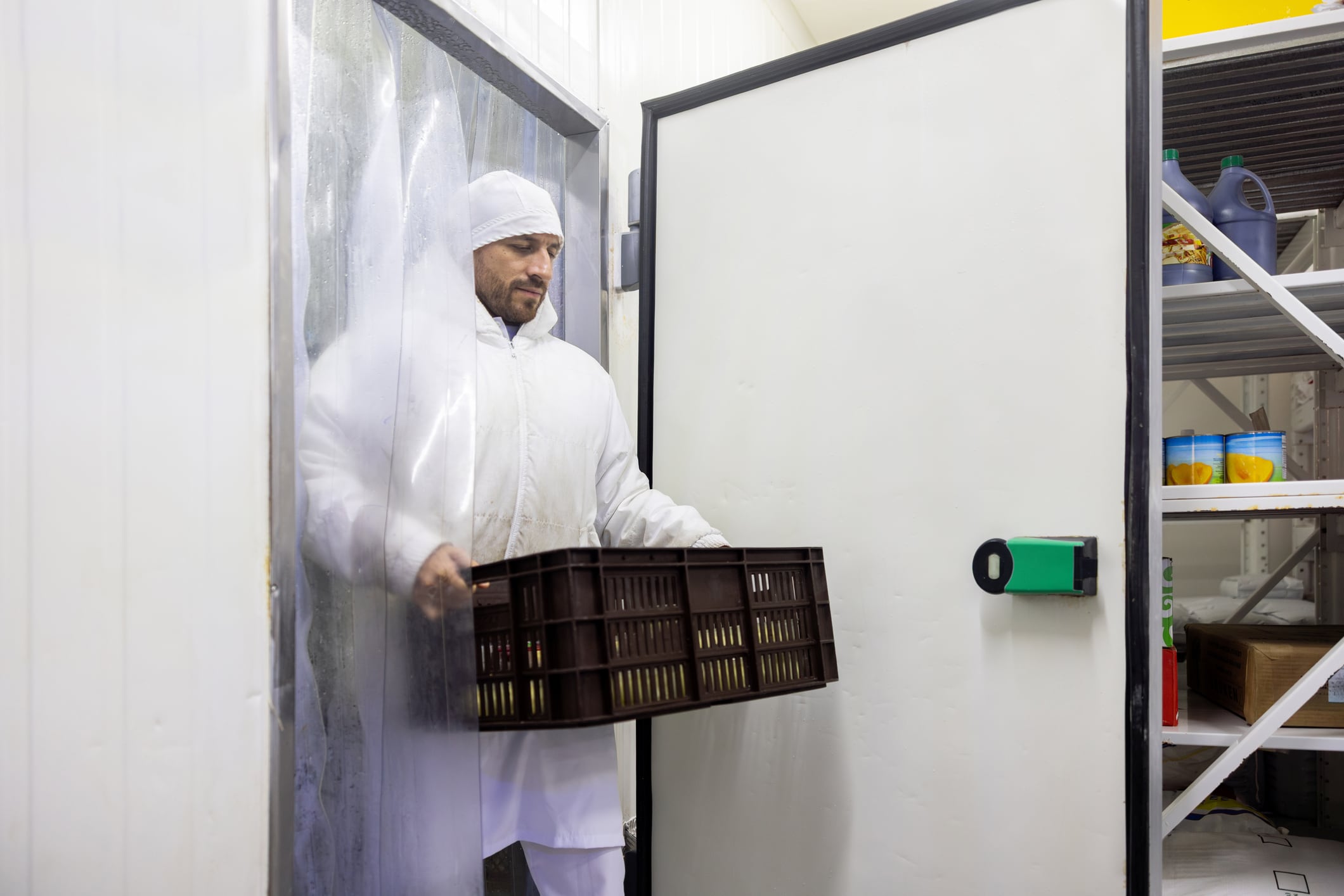
For food manufacturing, where temperature control underpins quality, shelf life, hygiene, and throughput, delay is rarely cost free. Plants that postpone upgrades may avoid immediate capital spend, but they also remain more exposed to unplanned outages, tighter service constraints, and a shrinking tolerance for high-GWP systems.