IN Brief:
- The £330,000 procurement covers microfiltration, ultrafiltration, reverse osmosis, nanofiltration, and bench-scale equipment.
- The systems will support food and beverage development, ingredient recovery, concentration, membrane screening, and scale-up trials.
- The turnkey contract includes installation, commissioning, acceptance testing, operator training, warranty support, and documentation.
Food Centre Wales is preparing to add pilot scale membrane filtration capability at its Llandysul site under a £330,000 procurement covering microfiltration, ultrafiltration, reverse osmosis, nanofiltration, and laboratory testing.
Ceredigion County Council published the tender on behalf of the centre on 2 October. The contract calls for a turnkey package covering design, manufacture, supply, delivery, installation, commissioning, acceptance testing, operator training, warranty support, and the documentation needed to place the equipment into operational service.
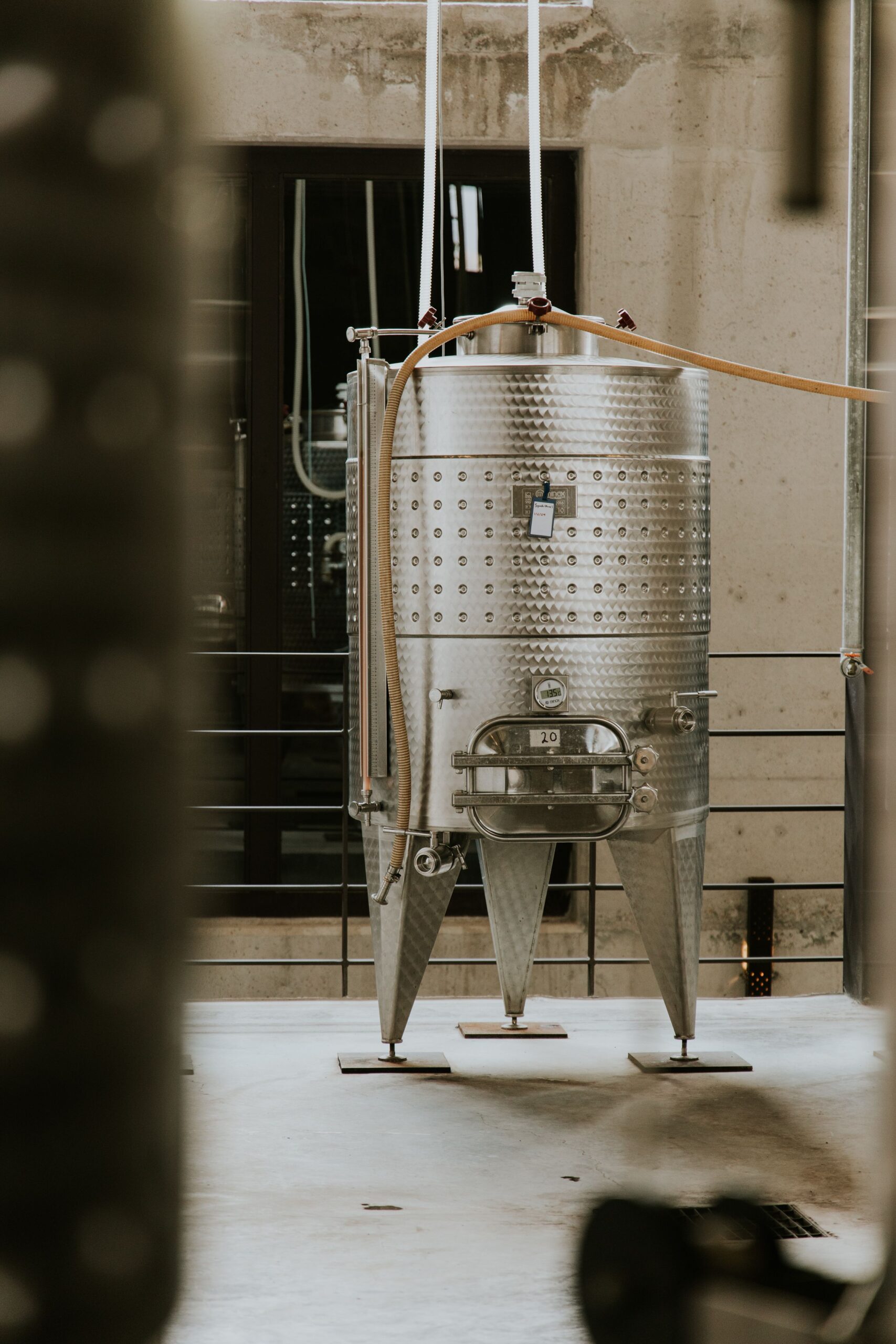
The procurement is split across three systems: a combined microfiltration and ultrafiltration pilot plant, a reverse osmosis and nanofiltration pilot plant, and a laboratory bench top pilot unit. The equipment will be installed within Food Centre Wales’ Innovation and Manufacturing Hub and is intended to support food and beverage development, process optimisation, ingredient recovery, concentration, membrane screening, and scale-up trials.
Membrane separation gives processors a way to divide liquid streams according to particle or molecular size without relying on the same heat input used in evaporation. The technique can be applied to clarification, concentration, protein recovery, water removal, and fractionation, with the choice of membrane determining which components pass through and which are retained.
Microfiltration operates at the more open end of the range and can remove suspended solids or larger particles. Ultrafiltration retains smaller macromolecules including many proteins, while nanofiltration and reverse osmosis provide progressively tighter separation and can be used where the objective is concentration or selective removal of smaller dissolved components.
The value of having several technologies available at pilot scale lies in comparison. A business can test different membrane types, pressures, flow rates, temperatures, and cleaning regimes before specifying a commercial installation, rather than committing capital on the basis of laboratory work alone.
Feed behaviour changes considerably between products. Viscosity, solids loading, fat, protein, minerals, acidity, temperature, and suspended material all influence membrane flux and fouling, while a process that performs well on a clean model solution can deteriorate quickly when exposed to a real food stream.
Fouling is one of the principal operating constraints because material deposited on the membrane surface reduces throughput and can alter separation performance. Cleaning frequency then affects production availability, water use, chemicals, labour, and membrane life, making it part of the economic calculation rather than simply a hygiene task.
The tender asks for flexible equipment rather than a fixed process built around one application. Pilot systems able to accommodate different membrane configurations allow the centre to investigate not only whether a separation works, but how stable it remains over time and what conditions are required to clean and restart the process.
That capability has applications across dairy, beverages, ingredients, and side stream recovery. A dairy processor might use the equipment to investigate protein concentration, while a beverage developer could test clarification or water removal and assess the resulting effects on colour, flavour, and finished-product composition.
Side streams provide another potential application as processors seek more value from material previously sent to low-value disposal routes. Recovering proteins, sugars, minerals, or other fractions can create useful ingredients, although the process only becomes commercially attractive when yield, purity, energy demand, cleaning, and downstream handling remain acceptable.
Food Centre Wales already operates low risk, high risk, liquid processing, dairy, meat, multi-processing, packing, and pasteurisation facilities. Its existing model allows start-ups and established businesses to conduct development and small industrial production without building dedicated pilot facilities of their own.
The membrane installation extends that model into an area where commercial trials can be difficult to arrange. Full-size separation systems require pumps, pressure control, instrumentation, cleaning equipment, pipework, and significant membrane area, while laboratory equipment may be too small to reveal the hydraulic and fouling behaviour that emerges during continuous operation.
A pilot plant sits between those two scales. It can expose problems around pressure drop, circulation, temperature rise, product recovery, cleaning, and control while limiting the amount of material required for each experiment.
The procurement also places installation and commissioning within the supplier’s responsibility. That should reduce the risk of the centre receiving individual components that work independently but require substantial integration before they can be used as one functioning process.
Operator training and acceptance testing are included for the same reason. Membrane systems depend on controlled start-up, pressure management, sampling, cleaning, and shutdown procedures, while poor operation can shorten membrane life or produce misleading development data.
The open tender closes on 27 October, with the contract currently expected to run through to the end of March 2027. The successful supplier will therefore be responsible for delivering an operational research and development platform rather than simply shipping membrane modules.
Once commissioned, the equipment should give food businesses a clearer route between bench work and plant specification. Trials can generate practical information on membrane selection, recovery, cleaning, operating conditions, and capacity before those choices become embedded in a larger production system.
That intermediate stage can prevent a promising laboratory separation from becoming an expensive commercial problem. Continuous food processing introduces flow, fouling, transfer, cleaning, and control behaviour that often remains invisible at very small scale, and the new equipment is intended to make those conditions testable before full production investment begins.