IN Brief:
- Fujifilm and ePac have agreed a global partnership centred on the water-based Jet Press FP790 digital packaging press.
- The initial installation is planned for ePac’s Phoenix facility in Arizona, rather than a named European plant.
- Food-contact compliance depends on the complete converted packaging structure; press specifications are not finished-pack approvals.
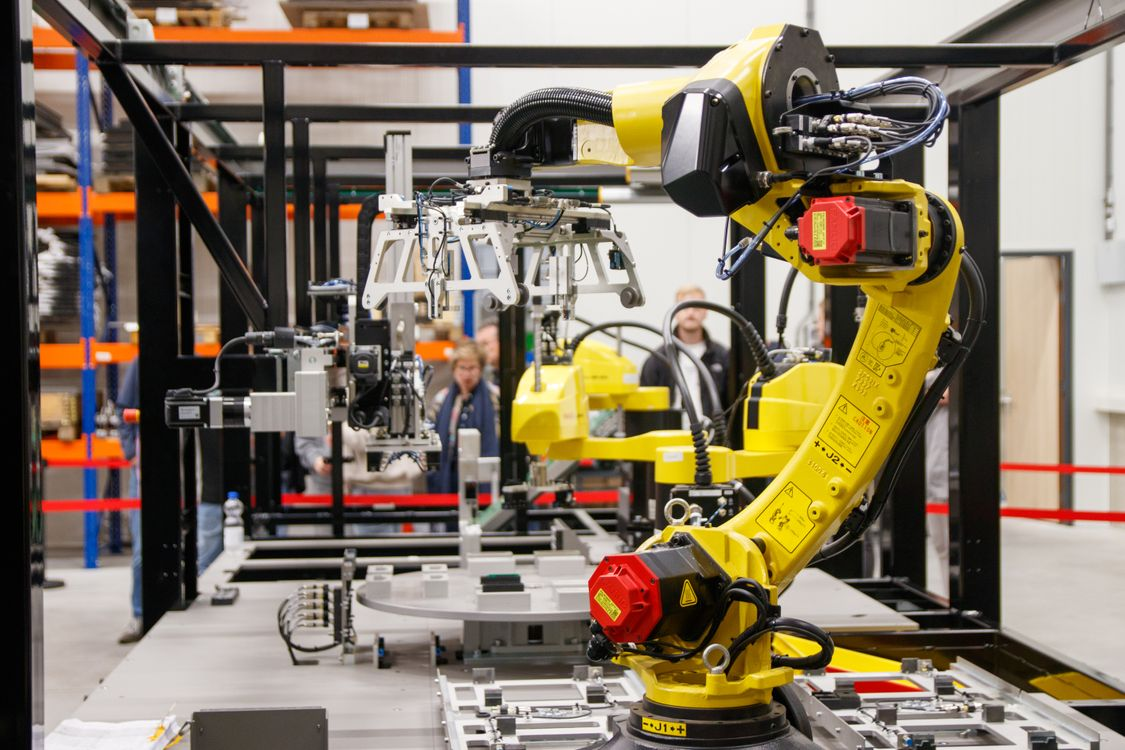
Fujifilm has agreed a global strategic partnership with ePac Flexible Packaging for the deployment of its Jet Press FP790 water-based digital inkjet press. The companies announced the agreement on 18 October, naming ePac’s new Phoenix, Arizona, facility as the initial installation site. Although ePac also operates in Europe, neither company has identified a European plant for this programme or provided a schedule for installations beyond Phoenix. The agreement is a network expansion plan rather than confirmation that presses are already running at multiple ePac sites.
The FP790 is designed to print flexible film for packaged consumer goods, including food products. Fujifilm lists a maximum web width of 790 mm, a printing resolution of 1,200 by 1,200 dots per inch and a nominal press speed of 50 metres per minute. These specifications describe equipment capability before accounting for job preparation, colour checks, waste, finishing and press availability. Effective production output depends on the number of saleable packages produced after lamination, slitting, inspection and, where required, conversion into pouches or other final formats.
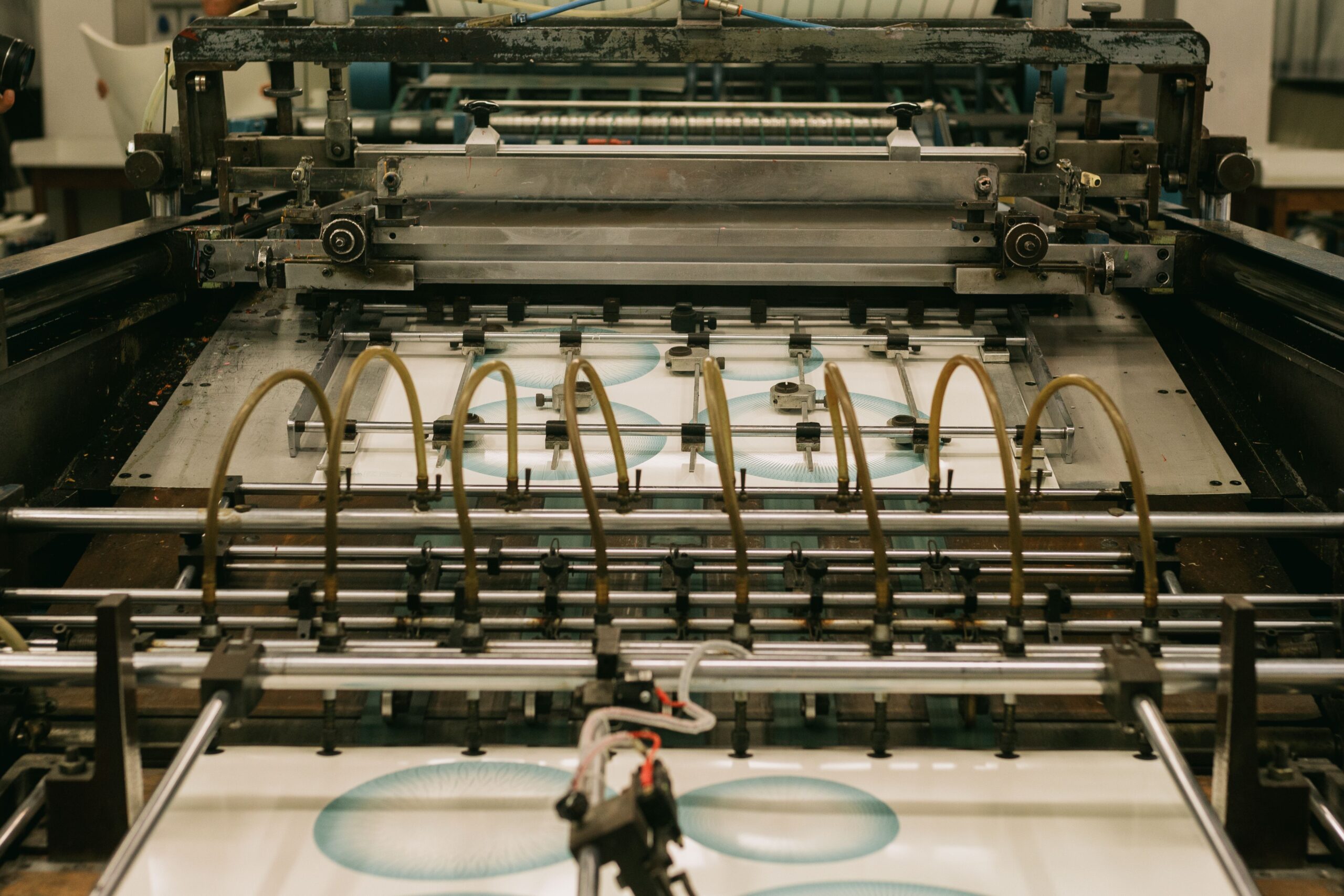
Packaging converters using flexographic or gravure presses must prepare the relevant plates or cylinders, then establish print settings before production. That preparation can remain economical for long, stable designs but weighs more heavily on shorter production orders and large families of pack variants. Digital inkjet prints approved artwork without making a fresh set of physical image carriers for each change. It can therefore shift the trade-off between set-up expenditure, press time and variable printed-pack demand, although any claimed advantage depends on order size and the converter’s finishing capacity.
On substrates such as biaxially oriented polypropylene and polyethylene terephthalate, Fujifilm uses pretreatment intended to help water-based inks adhere to the film surface. Colour imaging is supported by two white-ink channels, allowing an opaque white layer behind graphics on some transparent or coloured films. Print resolution and colour reproduction are separate from a pack’s oxygen or moisture barrier, seal integrity and recyclability. Those characteristics depend on substrate composition, any coatings or laminated layers, adhesives and the later forming and sealing processes used by the pack converter.
Food-contact suitability must be established for the finished packaging structure and its intended use, not inferred solely from a press supplier’s description of its inks. A converter needs to consider which side of the film is printed, potential migration through the packaging materials, processing conditions, intended food contact and applicable rules in the receiving market. A construction validated for one product does not necessarily cover hot filling, extended storage or direct contact with another food type. The new partnership does not supply independent food-contact results for a specific Phoenix production job.
ePac has built its digital flexible-packaging offer around changes in order size, variety and approved brand artwork. Fujifilm positions the FP790 to address higher-volume jobs as well as the short runs usually associated with digital production. The commercial result will depend on achieving sufficient press utilisation and aligning incoming orders with downstream manufacturing. Neither partner disclosed the financial value of the agreement, the total number of planned installations or contracted output. Those omissions limit any calculation of how quickly the new machines might alter ePac’s packaging capacity.
European converter experience with the FP790 predates this agreement. Fujifilm has reported adoption by UK converter Eco Flexibles and German printer Delo, but those companies are not ePac facilities. Their separate investments confirm that the model is not being introduced to Europe for the first time in October. New European capacity attributable to the ePac partnership can only be counted when the partners identify a site, equipment order, installation or commissioning milestone within their own network.
A faster artwork change at the printing stage can alter how food brands plan packaging variants, particularly where designs differ across ingredients, markets, languages or promotional periods. The approved file, print colour, material identity and order-to-batch traceability still have to remain connected through lamination and pouch manufacture. Incorrect allergen information is a food-label risk whether a pack is printed digitally or by a conventional process. Reliable file release and verification therefore remain necessary as printers shorten the time between one design and the next.
Phoenix provides the first specified location against which progress on the alliance can be checked. Further installations may follow across ePac’s international network, but the sequence, European site choices and resulting production capacity are not yet public. The announced development is the agreement to deploy an established digital press more broadly, with actual throughput and finished food-pack validation still to be demonstrated in each operating configuration.