IN Brief:
- Go-Pak International allows customers to consolidate packaging from Go-Pak, SCG Packaging, and approved third-party suppliers.
- The platform operates from Vietnam and is designed to reduce supplier, shipment, and procurement complexity.
- Consolidated mixed containers could reduce freight costs, secondary transport packaging, and container movements across global routes.
Go-Pak Group has launched Go-Pak International, a global trading platform designed to simplify foodservice packaging procurement by consolidating products from multiple suppliers into single shipments.
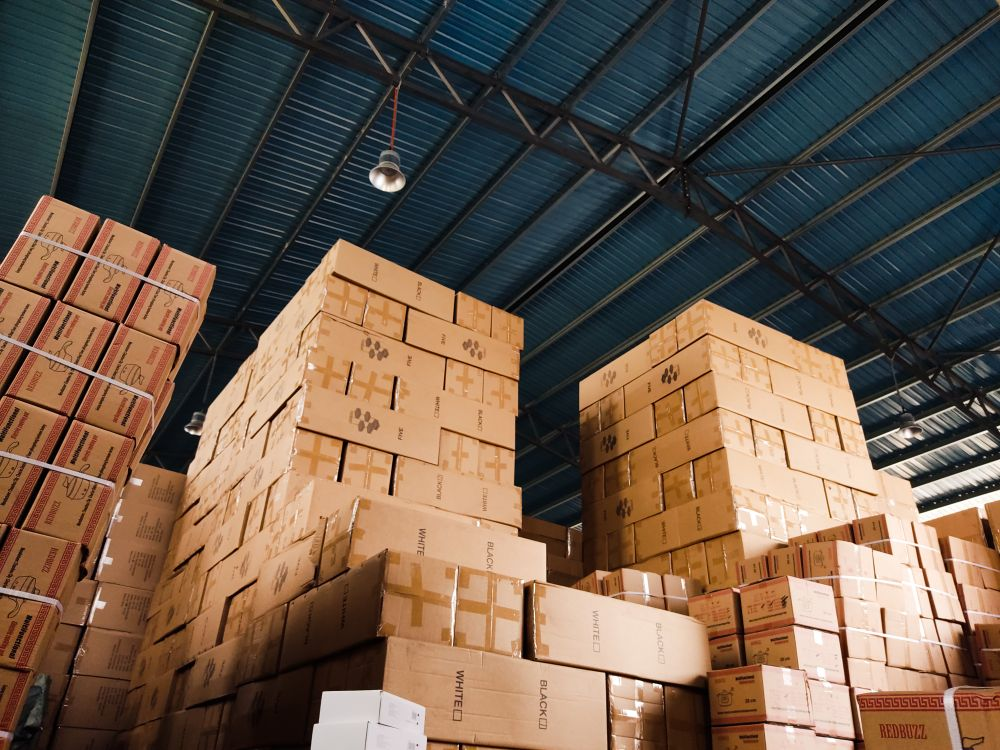
The platform allows customers to create mixed containers using products from Go-Pak’s manufacturing network, Thailand-based parent company SCG Packaging, and approved third-party suppliers. It operates from facilities in Vietnam and gives foodservice operators, quick-service restaurant chains, and growing brands a single point of contact for international packaging orders.
The model reduces the need for customers to manage separate suppliers, purchase orders, shipments, and procurement workflows. Smaller packaging products from different factories, suppliers, or locations can be consolidated into one container, allowing customers to access a broader product portfolio without arranging separate shipments for each line.
Go-Pak International includes options for bespoke branding, palletisation, or slip sheets depending on customer requirements. Typical lead times for mixed containers are four to eight weeks, depending on product mix.
Global demand for foodservice packaging continues to grow. The global foodservice packaging market is expected to reach $444.9bn in 2026, driven by takeaway dining, delivery platforms, and quick-service restaurant expansion. That growth is adding procurement pressure for global operators and smaller brands trying to scale across markets without multiplying supplier relationships.
Adam Anderson, group managing director at Go-Pak Group, said: “Foodservice brands are operating in a fast-moving global market where speed, flexibility and sustainability all matter. With Go-Pak International, we’re enabling customers to source packaging more efficiently by consolidating products from across our own network, SCGP and trusted third-party suppliers.”
He added: “Just as we have done with initiatives such as our closed-loop cardboard recycling solution Go-Recycle, we’re looking at the bigger picture of how packaging supply chains can evolve. By reducing complexity, improving logistics efficiency and helping cut waste across distribution, we’re supporting the industry’s transition towards a more circular future.”
Karl Smith, Vietnam operations director at Go-Pak Group, said: “Vietnam plays a critical role in our global supply model, allowing us to consolidate products closer to source, reduce complexity for our global customers and create a more efficient and scalable way to deliver packaging worldwide.”
Foodservice packaging supply chains are being reshaped by substrate changes, cost pressure, freight volatility, and regional regulation. Buyers are trying to reduce plastic use, introduce recyclable or compostable formats, maintain food-contact compliance, and avoid the cost of fragmented sourcing.
Container consolidation addresses a common inefficiency in packaging procurement. When customers source different product lines from separate suppliers, they often add cost through duplicated freight, additional handling, extra secondary packaging, and greater administrative load. Mixed containers can reduce that complexity while preserving access to multiple product types.
The sustainability value will depend on supplier control, product compliance, substrate transparency, and reliable shipment planning. Consolidation can reduce container movements and secondary packaging, but customers will still need auditable data to support their own reporting. Packaging procurement is becoming a structural part of sustainability strategy, not simply a buying function.