IN Brief:
- Four Impossible Foods products are entering selected Tesco stores in the company's first UK grocery launch.
- The range is among the first production from a new European co-manufacturing operation in the Netherlands.
- The UK products do not use the company's heme ingredient, which remains subject to separate European and UK regulatory processes.
Impossible Foods has added European manufacturing capacity as it enters UK grocery, with four frozen products going into selected Tesco stores and production being handled through a new co-manufacturing operation in the Netherlands.
The launch marks the company’s first move into British supermarkets after entering UK foodservice in 2022. The range consists of Impossible Burger Patties, Impossible Smoky Chipotle “Chicken” Pieces, Impossible Spicy “Chicken” Fries and Impossible “Beef” Kofta.
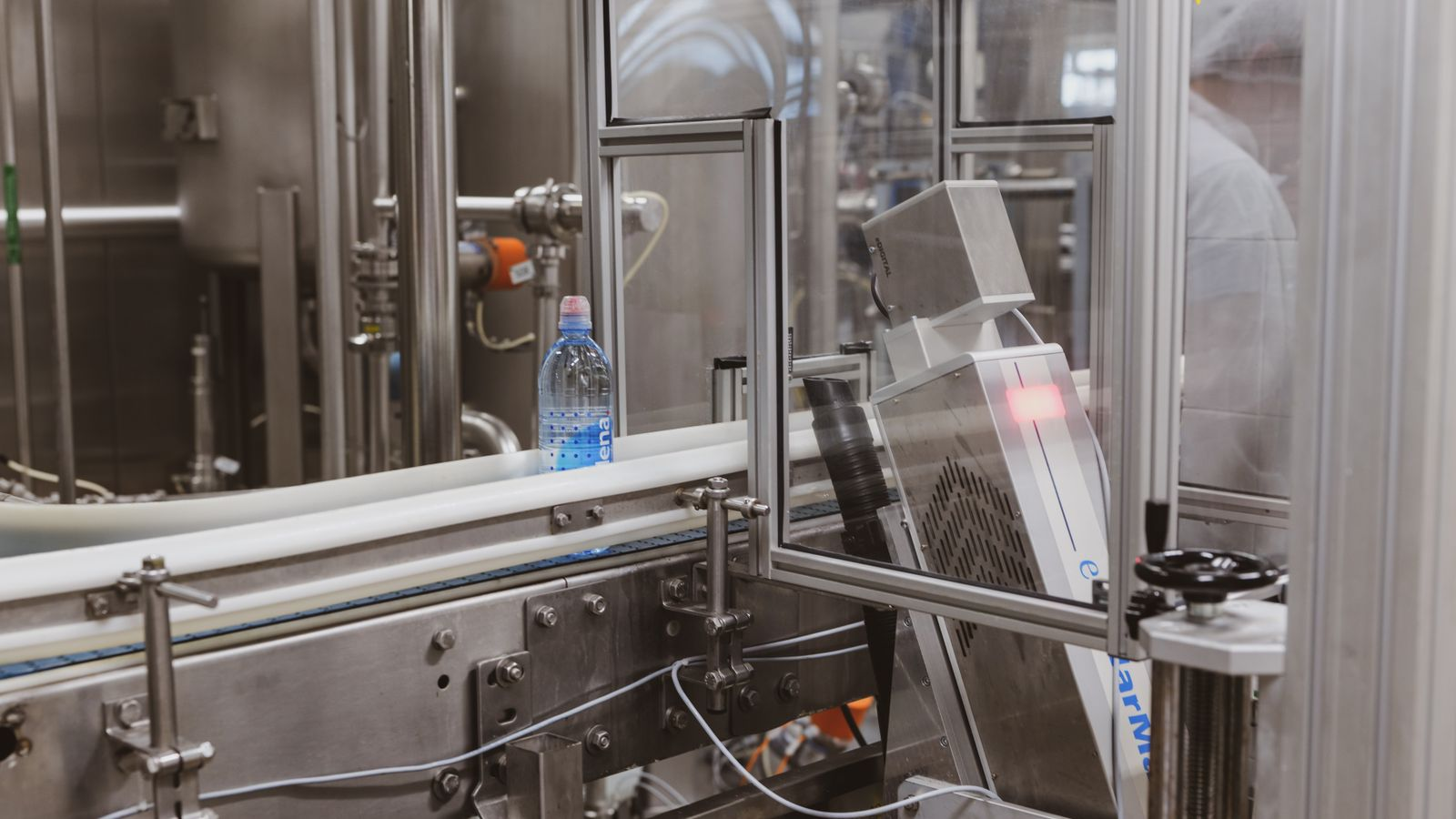
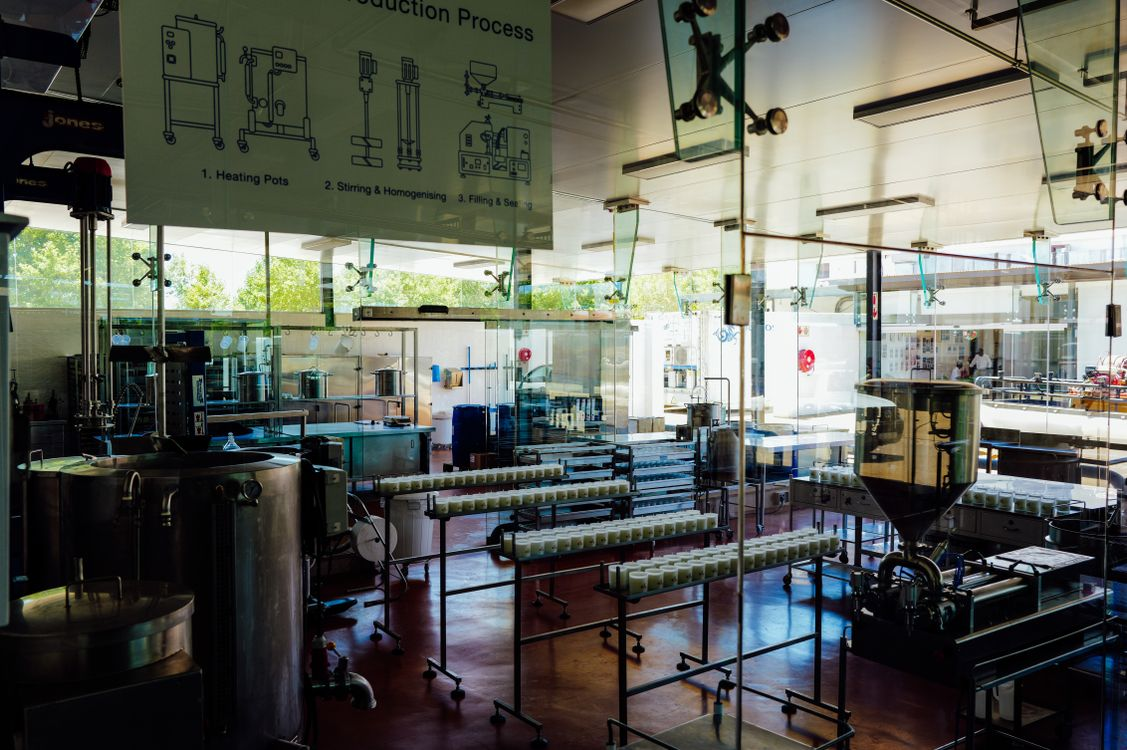
The four products are among the first to come from the company’s new European co-manufacturing arrangement. Impossible Foods has not named the manufacturing partner, but has confirmed that the production site is in the Netherlands and is supplying the products introduced to Tesco.
The arrangement changes the production model behind the company’s European expansion. Its first UK activity centred on foodservice products supplied into restaurants and pub groups, while regional co-manufacturing creates capacity for a broader retail range without an immediate investment in a wholly owned factory.
The UK launch follows the company’s entry into Dutch grocery earlier this year through Jumbo. The Netherlands now has two roles in the European plan: it is an established retail market and the location of the co-manufacturing capacity used for the latest range.
Co-manufacturing is widely used where food brands need specialist capacity or faster access to commercial volume. The model can reduce the capital and lead time required for market entry, but it also transfers more coordination into supplier management. Ingredient specifications, process controls, allergen procedures, traceability, quality assurance and production scheduling have to be aligned between brand owner and manufacturer.
Impossible Foods says it applies its safety and quality requirements across suppliers and co-manufacturers, including cleaning and production controls. Those systems become more important when products are being formulated for different regulatory markets rather than transferred unchanged from an existing US portfolio.
The new British products do not contain soy leghemoglobin, commonly referred to by the company as heme, the ingredient used in some of its US beef products to reproduce aspects of meat flavour and colour. Impossible Foods has pursued regulatory approval for the ingredient in both Europe and the UK, but the current supermarket range has been developed without it.
The company began the European regulatory process for heme with the European Food Safety Authority in 2019 and subsequently made a UK submission following Brexit. Its British retail expansion has therefore moved ahead using formulations that can be sold under the current regulatory position rather than waiting for the separate novel ingredient process.
That has required product development, ingredient sourcing and manufacturing decisions specific to the region. The burger patties have been developed for the UK and European market, while the wider Tesco range extends the company’s formats beyond its earlier British foodservice offer.
Retail distribution also places a different operating burden on the supply chain. Four stock keeping units entering a national supermarket require production forecasting, frozen storage, packaging supply, pallet configuration, delivery planning and consistent service levels across a much wider network than a limited restaurant rollout.
The co-manufacturing plant therefore becomes part of the commercial proposition rather than simply a contract production site. Regional capacity can shorten finished-goods transport, simplify replenishment and provide a base for additional European listings if demand justifies them.
The category itself remains difficult. Parts of the UK plant based meat market have contracted after rapid earlier growth, leaving suppliers under pressure to generate repeat purchase and defend price points rather than rely on novelty. Impossible Foods says its UK foodservice sales have more than doubled over the past 12 months, although the performance of the grocery range will depend on consumer response after the initial launch period.
Manufacturing flexibility will be important if volumes are uncertain. A co-manufacturer can provide room to scale without leaving Impossible Foods with a large dedicated asset base, while also allowing production campaigns to be adjusted as individual products perform differently.
That flexibility is balanced by dependence on the manufacturing partner’s capacity, quality systems and scheduling. Retail customers expect stable product availability and specification, so the relationship has to operate consistently across procurement, production, technical approval and logistics.
The European operation also gives Impossible Foods a route to expand before the regulatory position on heme is resolved. The company has effectively separated its market growth from that application by building a range around ingredients already permitted for sale.
Future scale will be determined by supermarket sell-through, additional retail listings and the economics of regional production. If those conditions support further growth, the Netherlands operation gives Impossible Foods an established manufacturing base from which to add volume without waiting for a purpose-built European factory.