IN Brief:
- The Água de Luso line replaces equipment that had operated for approximately four decades.
- A 110-valve volumetric filler handles low-conductivity mineral water while washer heat is reused within the system.
- KHS reports a 50% reduction in thermal energy per container compared with the previous line.
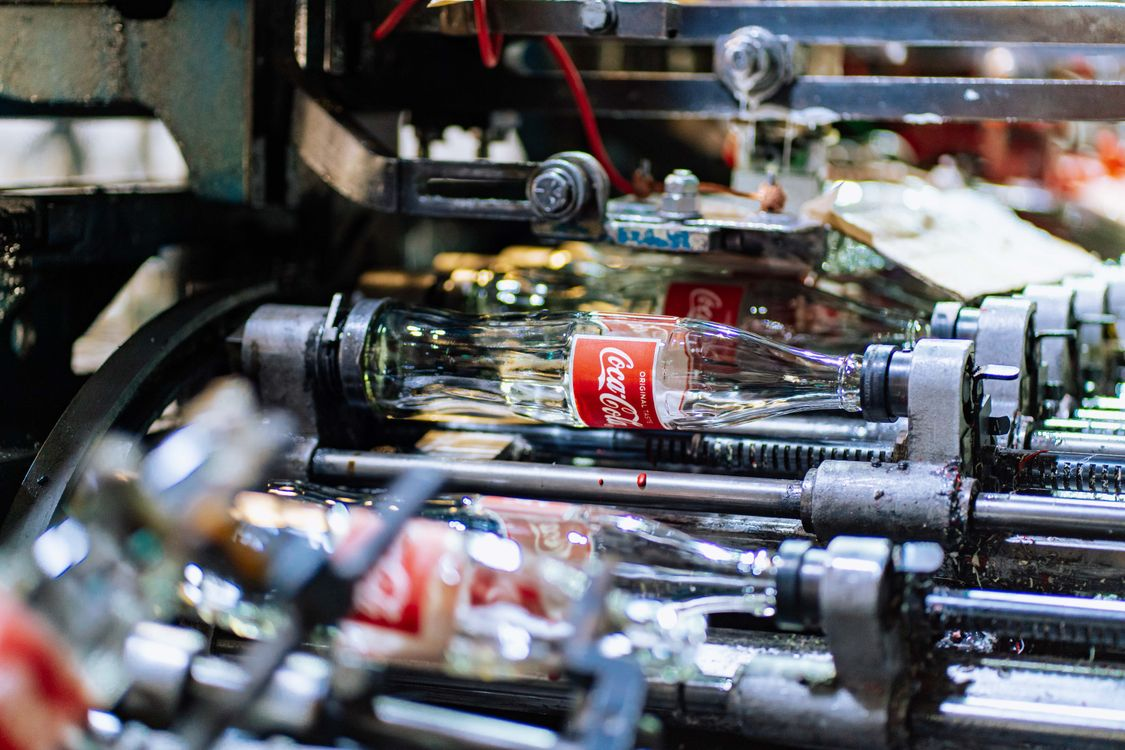
KHS has commissioned a returnable-glass bottling line for Portuguese mineral water brand Água de Luso, raising the plant’s maximum throughput to 40,000 bottles per hour. The new system at Vacariça, operated by HEINEKEN-owned Sociedade Central de Cervejas e Bebidas (SCC), replaces a line that had been in service for around 40 years. Its installed capacity is approximately three times that of the previous equipment, creating additional headroom for both still and sparkling water production.
The higher throughput relies on changes to bottle washing, filling and transfers across the production line. SCC selected a turnkey installation with machinery linked through a common control environment. The integrated arrangement is intended to simplify operational data collection and connection to HEINEKEN’s Connected Brewery programme, which uses information from production equipment and sensors for monitoring and performance analysis. A common interface reduces the need to reconcile separate machine controls when faults, stoppages or output variations must be investigated.
Filling the mineral water presented an unusual measurement constraint. Água de Luso has a very low mineral concentration, below 50 milligrams per litre, and correspondingly low electrical conductivity of around 60 microsiemens per centimetre. Standard conductive fill-level probes require substantially higher conductivity to detect the product reliably; the figure cited by KHS is about 250 microsiemens per centimetre. Using the conventional level-measurement approach would therefore introduce a risk of unreliable filling rather than simply a slower production rate.
KHS configured its Innofill Glass DRS platform for volumetric filling instead. The machine measures and doses a defined product volume without depending on the electrical conductivity used by a conventional level probe. Its rotary carousel has 110 filling valves and can process up to 40,000 500-millilitre bottles in an hour. One-litre containers are also supported, with a 250-millilitre format planned for the future. Both still and carbonated water are handled on the installation, making filling accuracy and changeover capability important alongside maximum nominal speed.
KHS describes the Innoclean Cascade-D bottle washer as the only consumer of thermal energy in the connected cleaning system. Its 70°C caustic process washes and sanitises containers returned from the reuse cycle, while the Innoclean KW crate washer uses residual heat from the bottle washer rather than a separate heater. KHS reports that these changes have halved the thermal energy needed per container relative to the previous line. That is a measure of heating demand at container level, not evidence that the complete bottling facility consumes 50% less total energy.
The bottle washer also incorporates a straight-tube heat exchanger positioned beside the machine rather than high within the caustic bath. KHS says the location improves access during operation and maintenance, and the arrangement can heat as many as three caustic baths. Separating the exchanger from the bath structure could simplify future changes to the source of process heat, including the possible use of heat pumps or solar heat. No such conversion has been presented as completed at Vacariça; the installed benefit is the current recovery and distribution of heat within the washing system.
Returnable glass operations place additional demands on sorting, cleaning, bottle integrity and the availability of empty containers. SCC estimates that its one-litre bottles are used for an average of 19 cycles and its 500-millilitre bottles for 21. Those figures describe the company’s operating experience, not a guaranteed lifetime for every bottle. They nevertheless help explain why a high-capacity returnable line must be evaluated as a collection, washing and filling system rather than as a filler alone. The economics depend on how consistently usable containers return and how efficiently the machinery handles them.
Implementation was complicated by the construction of the production building and development of a new beverage crate alongside machinery planning. Storm Kristin disrupted transport in Portugal at the end of January 2026, delaying equipment delivery by roughly six weeks. KHS and SCC subsequently completed installation, optimisation and acceptance during the summer peak, when many empty returnable bottles were still circulating with customers. Commissioning under those conditions made practical training and line balancing particularly important because a shortage of empties can limit testing even where installed machine capacity is sufficient.
SCC has replaced an ageing returnable-glass system rather than upgrading individual machines, aligning bottle washing, filling and production data under a single new installation. The stated 40,000-bottle-per-hour maximum applies to the specified 500-millilitre format and does not guarantee equivalent speeds for other bottle sizes. With acceptance completed, routine operation will establish how consistently the plant can reach its nominal capacity as bottle-return rates, format changes and seasonal demand vary. KHS bases its reported thermal saving on energy required per container compared with the retired line.