IN Brief:
- Laborie Wine Estate uses connected Testo instruments across two restaurants and a farm shop in Paarl, South Africa.
- Handheld temperature equipment, frying oil measurement, and online data loggers cover control points from goods receipt through preparation.
- Automated records and deviation alerts reduce reliance on periodic manual checks while providing denser cold-chain data.
Laborie Wine Estate in Paarl, South Africa, has introduced connected temperature measurement and online data logging across its food operations, replacing parts of a periodic manual monitoring process with digital records and automatic alerts. The estate operates two restaurants and a farm shop with a butcher’s operation alongside its wine business, creating multiple refrigerated areas and food preparation points where temperature control has to be documented consistently.
Ingredients handled through the operation include dry-aged beef, regional cheeses, and fresh dairy products, all of which can lose usable life when refrigeration drifts outside defined conditions for long enough. Manual readings provided a snapshot when employees were present to take them, leaving overnight failures or deviations between inspection rounds capable of developing before another measurement exposed the problem.
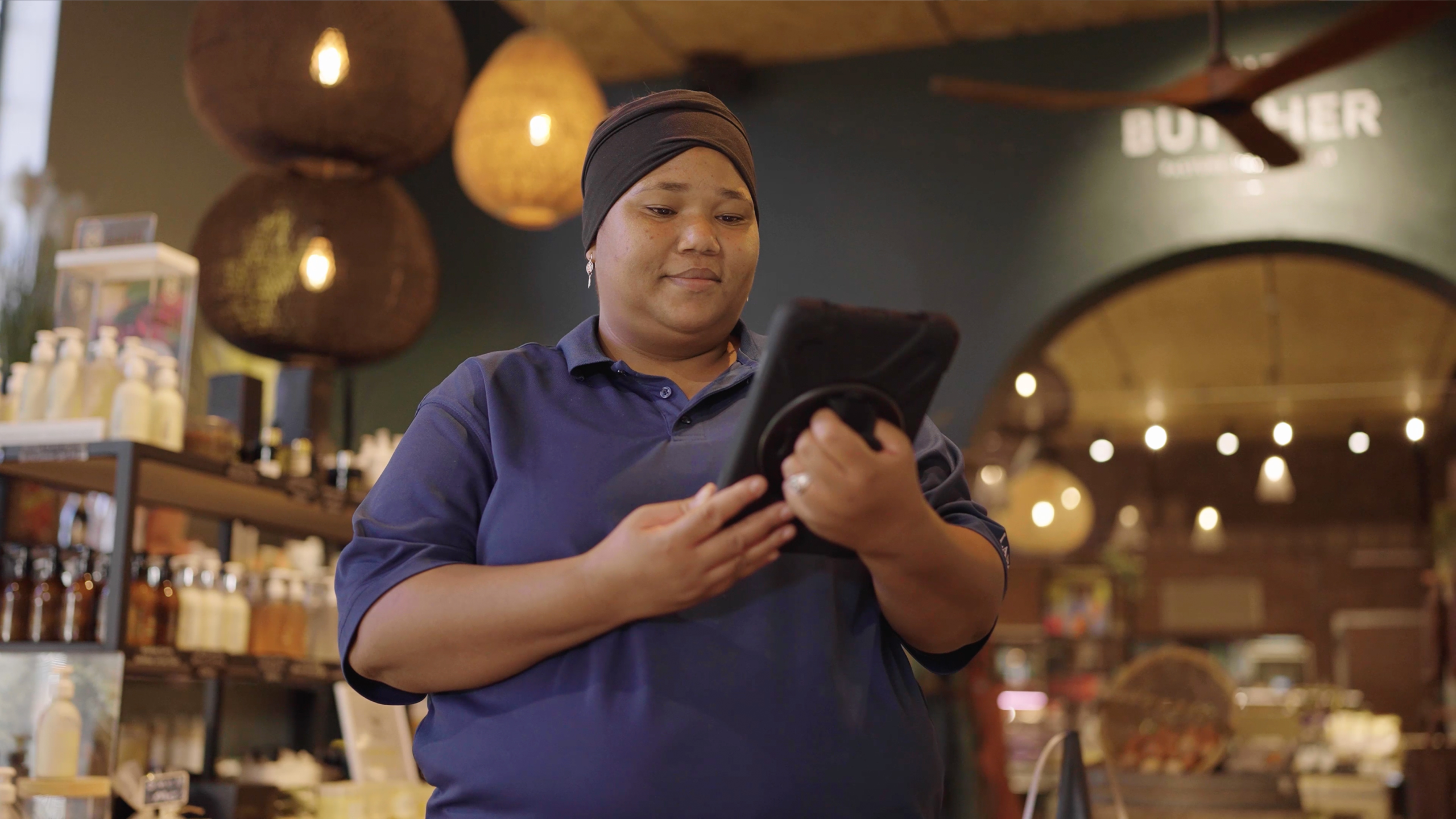
Laborie now uses instruments supplied by Testo across goods receipt, refrigerated storage, food preparation, and frying-oil control, combining handheld measurements with online data loggers. The Testo reference identifies the testo 104 thermometer and testo 104-IR BT among the equipment used at incoming goods, with measurements transferred into digital documentation rather than being retained solely through handwritten records.
Online loggers serve a different purpose because they collect measurements through time, producing a temperature history that can show when a refrigerated space moved outside its configured range rather than simply whether it was compliant at the moment an employee opened the door. Automatic alerts can then notify responsible staff when a threshold is exceeded, narrowing the interval between a refrigeration problem developing and somebody being able to respond.
A continuous record still depends on sensor position, calibration, alarm settings, maintenance, and the response procedure attached to a deviation, since a logger measures conditions at its own location rather than proving that every product in a cold room experienced exactly the same temperature. Digital systems improve the density and availability of the evidence, while the food safety decision remains dependent on understanding where the sensor sits and what a particular excursion means for the products stored around it.
Goods-receipt measurements add another layer by checking chilled products before they enter Laborie’s own storage, allowing temperature information to become part of the acceptance process rather than a problem discovered later in preparation. Testo’s case study quotes Anthony Ranna of Laborie describing the handheld instrument as a means of checking incoming deliveries quickly and confirming that cold-chain requirements have been maintained, with the Bluetooth-connected system retaining the result digitally.
Frying-oil measurement extends the same approach beyond refrigeration because oil deteriorates during repeated heating and use, with quality affected by time, temperature, food load, and operating practice. Instrument measurement provides another decision point alongside sensory checks, allowing oil replacement to be linked to measured condition rather than a fixed timetable that may discard usable oil early or continue using it longer than intended.
The deployment remains a hospitality and foodservice case study rather than an industrial factory installation, although the monitoring architecture resembles systems already used in larger food operations. Cold stores, ingredient rooms, warehouses, thermal processes, and quality-control stations all generate measurements whose value increases when collection, documentation, alarm management, and corrective action are connected rather than handled as isolated paper checks.
Digitisation also changes the audit trail available after a deviation because historical data can show duration and pattern instead of relying on a small number of handwritten readings. A short excursion followed by recovery presents a different investigation from a cold room that drifted gradually for several hours, while repeated alarms at similar times can reveal a loading, defrost, door-management, or equipment problem that a single daily inspection would struggle to identify.
Testo presents the Laborie example as evidence that digital food safety can improve efficiency and customer satisfaction, although those wider commercial claims come from the equipment supplier and should not be treated as an independent evaluation of payback or guest behaviour. The directly observable operational change is narrower: staff carry out fewer routine manual checks, measurements are documented electronically, and continuous monitoring gives the estate more information about conditions between individual inspections.
The equipment does not remove the need for trained employees because temperature data only becomes useful when responsibilities, limits, escalation procedures, calibration, and corrective actions have been defined around it. Laborie’s installation instead shifts part of the workload from repeated observation towards exception management, allowing staff to concentrate attention on deviations while the routine record is created automatically.
That distinction gives the case study relevance beyond its restaurant setting, since food safety digitisation is increasingly built around the same principle of collecting more process data without multiplying paperwork at the same rate. Laborie has moved selected controls from intermittent manual recording towards connected monitoring; the practical value lies in whether the denser data allows refrigeration or process problems to be identified early enough for corrective action to protect the food rather than simply document a failure after it has occurred.