IN Brief:
- England’s first Land Use Framework commits to maintaining overall food production and safeguarding the most productive land.
- Defra says the framework is intended to guide decisions rather than prescribe specific land uses.
- The NFU has welcomed the direction of travel, while warning that delivery against 2030 objectives remains the harder task.
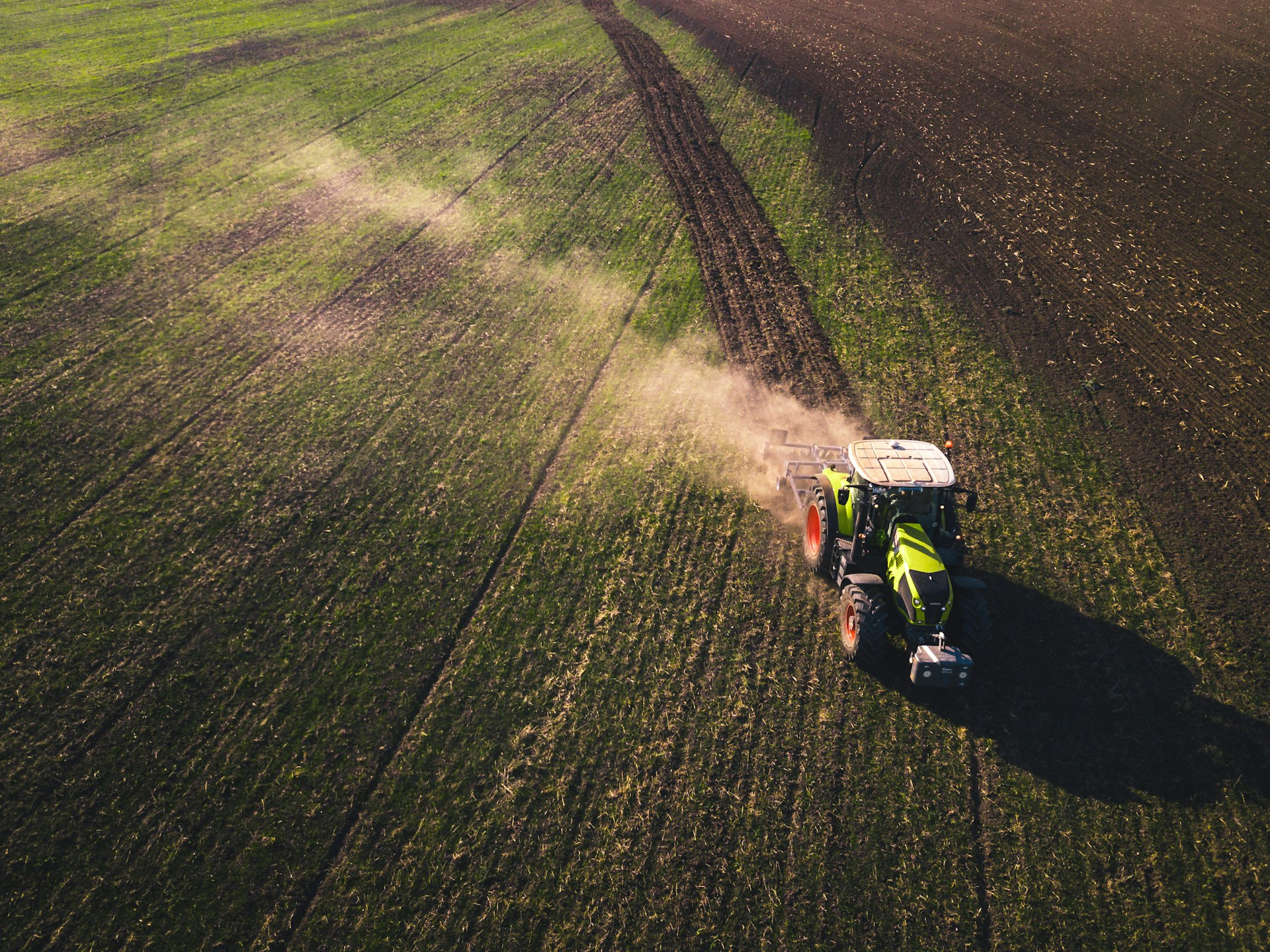
Defra has published England’s first Land Use Framework, setting out a national approach intended to balance food production, housing, energy infrastructure and nature recovery without treating them as mutually exclusive claims on land. For the food chain, the most significant commitment is the government’s stated intention to maintain overall food production in England and safeguard the most productive agricultural land.
The framework places that commitment inside a broader model of multifunctional land use. Defra said England has sufficient land to meet its objectives if it is used more efficiently and supported by better spatial planning, stronger data and more coordinated decision-making. The framework is not designed to prescribe exact land uses in specific places or replace the planning system, but to guide decisions and improve the evidence base behind them.
That distinction matters because the framework reaches beyond primary agriculture. It links land use decisions to housing delivery, energy and grid infrastructure, flood resilience, nature recovery and improved land data. For food production, the government’s case is that clearer principles and better information should help protect productive land, support farm profitability and strengthen long-term resilience.
The NFU has welcomed the publication of the framework and the fact that food production remains explicitly recognised within it. The union has also said that practical delivery will be the harder task, particularly where competing demands on land intensify and where farm businesses require confidence that policy support will remain aligned with production as well as environmental goals.
The central tension in the framework lies in implementation. The document is clear in its intent to maintain food output, improve certainty and integrate local, regional and national decision-making more effectively. The harder questions will emerge where infrastructure, water, biodiversity and productive farming land converge in the same geography, and where trade-offs move from strategy into planning decisions.
For food manufacturing, the relevance is upstream but direct. Raw material security depends on what happens to productive land, how farming adapts to climate and policy pressure and whether planning systems can support both supply and growth. The framework gives food production a clearer place in land policy. The next phase is how firmly that place holds in practice.