IN Brief:
- MiAlgae’s DHA-rich microalgae ingredient is being added to Butternut Box’s Ready Steady Veggie recipe across European markets.
- The deal links circular ingredient production in Scotland with a scaled fresh pet-food format built around refrigerated distribution and premium formulation.
- It also gives MiAlgae a commercial outlet as new production capacity comes online at its Grangemouth facility.
MiAlgae has secured a commercial supply agreement with Butternut Box that will place its fish-free DHA ingredient into the fresh pet-food company’s Ready Steady Veggie recipe across Europe. The partnership gives the Scottish producer a route into a scaled branded format at a point when alternative Omega 3 sourcing is moving from R&D and niche positioning into larger-volume formulation decisions.
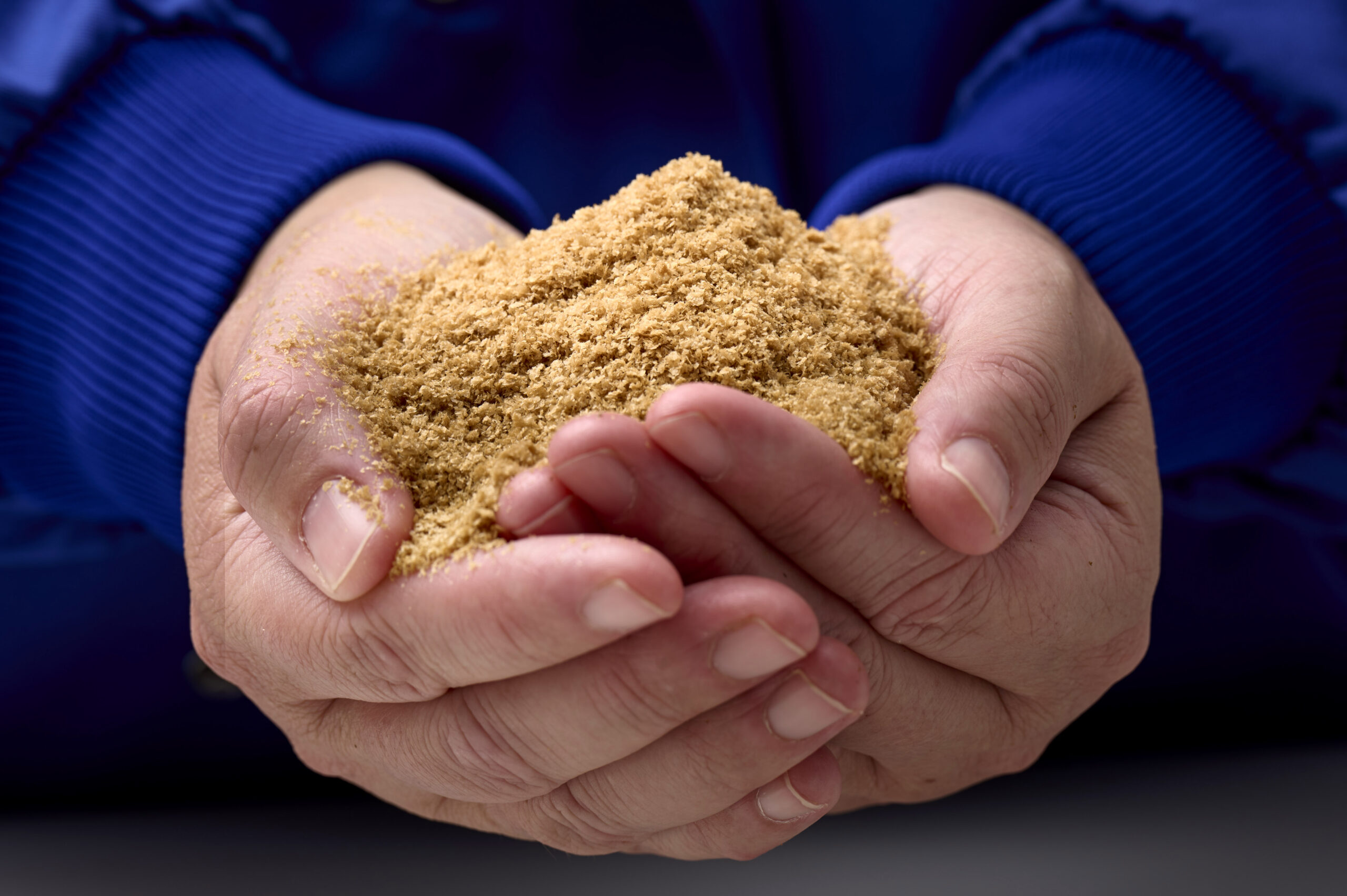
The ingredient is produced from microalgae grown on by-products from the Scotch whisky industry, with MiAlgae focusing on DHA as a substitute for marine-derived Omega 3 inputs. In pet food, that creates a cleaner route into functional fatty-acid inclusion for vegetarian and reduced-animal-input formulations, while also broadening the number of formats in which fish-free DHA can be used. Ready Steady Veggie is a refrigerated fresh meal, which means the ingredient is entering a premium product type where formulation, digestibility, and label transparency already carry weight with buyers.
For Butternut Box, the move expands the nutritional proposition of a vegetarian line without shifting away from its fresh-food positioning. For MiAlgae, it is a more significant manufacturing story than a single recipe launch might suggest. The company broke ground on a new production facility at Grangemouth in late 2025 and has said the site will increase pet-nutrition Omega 3 output by more than tenfold. That makes this agreement an early commercial signal of where that added capacity is expected to land.
The wider significance is in ingredient sourcing. Fish oil remains the dominant delivery route for Omega 3 in many pet-food applications, but volatility in marine supply, scrutiny around sourcing, and pressure to cut embedded environmental impact are pushing manufacturers to look again at fermentation, algae, and other non-marine alternatives. MiAlgae’s process, which upcycles industrial by-products into a DHA-rich ingredient, places that shift inside a circular manufacturing model rather than a simple one-for-one ingredient swap.
Pet food is also becoming a more useful proving ground for ingredients that sit between sustainability claims and measurable nutritional function. If scaled fresh and chilled formats can absorb alternative Omega 3 inputs without compromising formulation targets, the addressable market for microalgae-derived DHA broadens quickly across dry, wet, and supplement categories. This agreement does not settle that market, but it does move fish-free Omega 3 further into mainstream production.