IN Brief:
- Pladis is increasing on-pack communication around its Back to Farm wheat programme.
- More than 50 growers receive financial, practical, and agronomic support for regenerative practices.
- Participating farms cover over 4,000 hectares and produce more than 30,000 tonnes of wheat.
Pladis is increasing the visibility of its Back to Farm regenerative wheat programme through selected McVitie’s packaging as support expands across British growers supplying its biscuit operations.
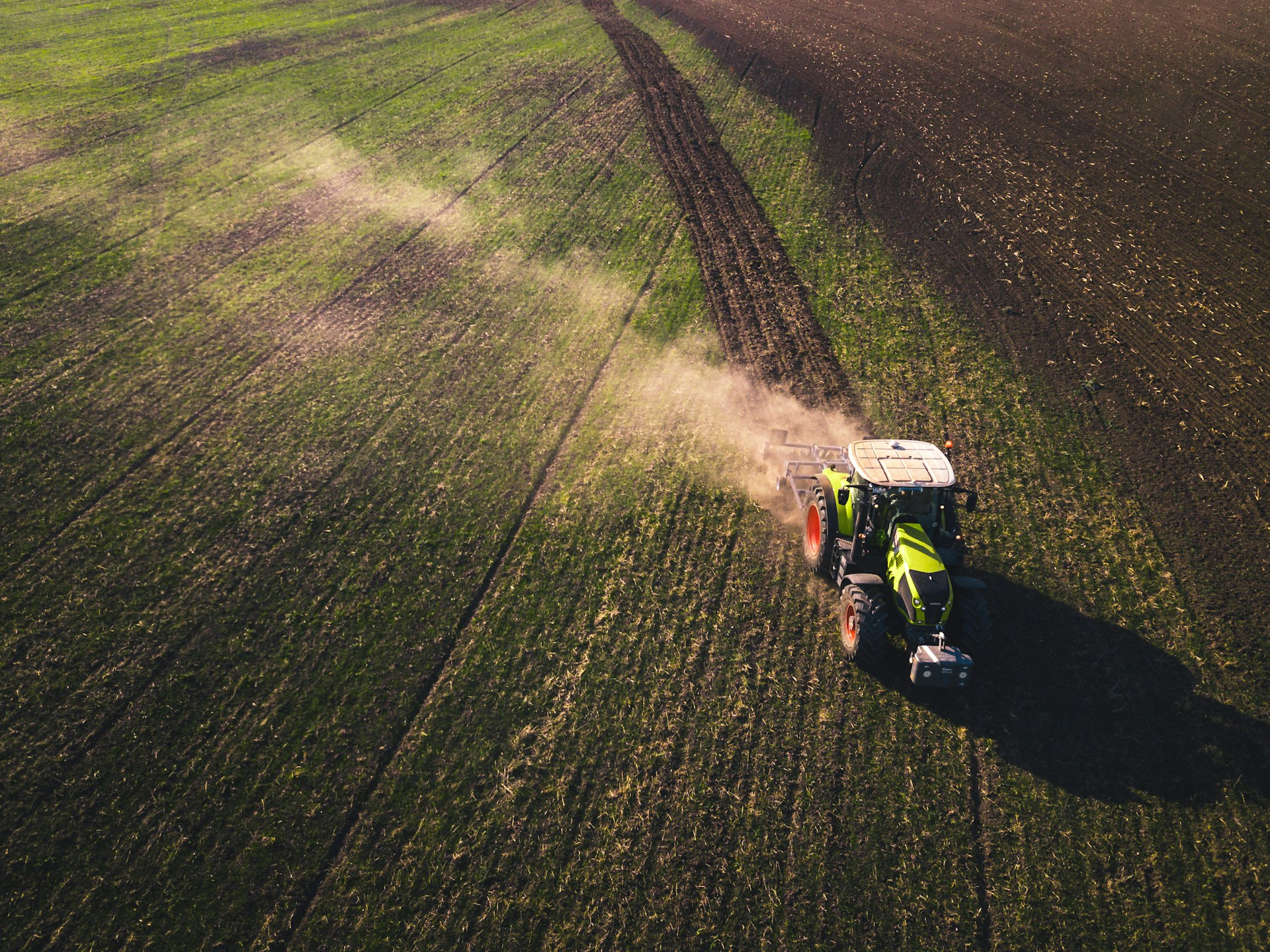
The programme involves more than 50 farmers and covers over 4,000 hectares. Participating farms produce in excess of 30,000 tonnes of wheat, broadly equivalent to the annual requirement for McVitie’s Original Digestives.
Growers receive financial support, practical guidance, and agronomic expertise to introduce or extend regenerative practices. These can include cover cropping, more varied rotations, reduced soil disturbance, nutrient management, and measures intended to improve biodiversity and soil condition.
Pladis has worked with British wheat growers for more than a decade and expanded the programme with Frontier Agriculture. The new packaging communication connects those upstream activities more visibly with products manufactured from the resulting grain.
Biscuit production requires dependable flour specifications at considerable scale, since wheat quality influences dough development, machinability, sheeting, cutting, baking, colour, texture, moisture, break strength, and shelf life.
Farm programmes must maintain manufacturing consistency
Regenerative agriculture is increasingly being used to address soil health, climate exposure, biodiversity, fertiliser dependency, and farm resilience. Those objectives become commercially durable only when the farming system also produces grain that meets yield, quality, availability, and price requirements.
Changing agronomy can introduce transition risk for growers, particularly where new rotations, reduced tillage, cover crops, equipment changes, and different nutrient strategies require investment before the financial return becomes clear. Weather variation can also obscure the effect of individual practices during any one season.
Longer-term buyer support reduces part of that risk by providing a clearer demand signal than a short pilot attached to a limited-edition product. A manufacturer with stable flour requirements can connect agronomic support with repeat purchasing over several harvests.
The use of regenerative British wheat in KitKat wafer production reflects a similar move into high-volume manufacturing, where raw-material consistency must be maintained across established brands rather than a small specialist range.
Large-scale production places more pressure on milling and specification control because flour must perform consistently across farms, regions, mills, harvests, and weather conditions. A change that remains acceptable in a small bakery trial can create substantial loss when transferred to continuous dough and oven systems.
Regenerative agriculture also remains difficult to define through one common set of practices. The measurement of corporate regenerative agriculture targets has increasingly focused on whether programmes record environmental and resilience outcomes rather than the simple adoption of individual techniques.
Cover crops, reduced tillage, or wider rotations can be documented relatively easily, while improvements in soil carbon, water retention, biodiversity, erosion, yield stability, and farm income require consistent baselines and several seasons of data.
On-pack communication increases the need for that evidence because a short consumer-facing statement rests on records covering farm participation, practices, grain volumes, chain of custody, and the outcomes being measured.
Traceability design will determine how closely an individual pack can be connected with participating wheat. Some sourcing programmes maintain physical segregation, while others use mass balance to support an equivalent volume without guaranteeing that every grain in the finished product came from a named farm.
Both approaches can support agricultural change when the claim accurately reflects the system used. Procurement, sustainability, legal, technical, and packaging teams need a shared description that does not imply greater physical traceability than the programme provides.
The volume associated with Back to Farm gives the initiative greater industrial weight than a demonstration project. More than 30,000 tonnes is sufficient to influence crop planning, agronomy, milling, storage, and transport rather than remaining outside mainstream procurement.
Wheat security has also become more important as manufacturers manage fertiliser costs, energy volatility, drought, excessive rainfall, and changing crop quality. Soil management may help reduce exposure to some conditions, although results will continue to vary by farm, soil, crop, and season.
Manufacturing performance offers another useful measure of the programme, since flour yield, dough consistency, breakage, oven behaviour, and finished-product quality reveal whether agricultural change is being absorbed effectively through the milling and production system.
Farmer retention will also indicate whether the financial and agronomic model remains workable. Regenerative practices are unlikely to scale when participating growers carry most of the cost and risk while environmental or marketing value is captured elsewhere in the chain.
The expansion of on-pack communication gives Back to Farm greater public visibility, although its commercial value remains rooted in the supply of consistent British wheat. Long-term success will depend on productive farms, credible measurement, stable grain quality, and procurement terms that allow growers to continue changing their systems without weakening manufacturing reliability.