IN Brief:
- Greenpeace reviewed 24 peer-reviewed papers on plastic-packed ready meals and takeaways.
- Heating in plastic was linked to higher migration of microplastics, NIAS, and other chemicals into food.
- Regulatory focus is likely to intensify around real-world reheating conditions, not only structural container safety.
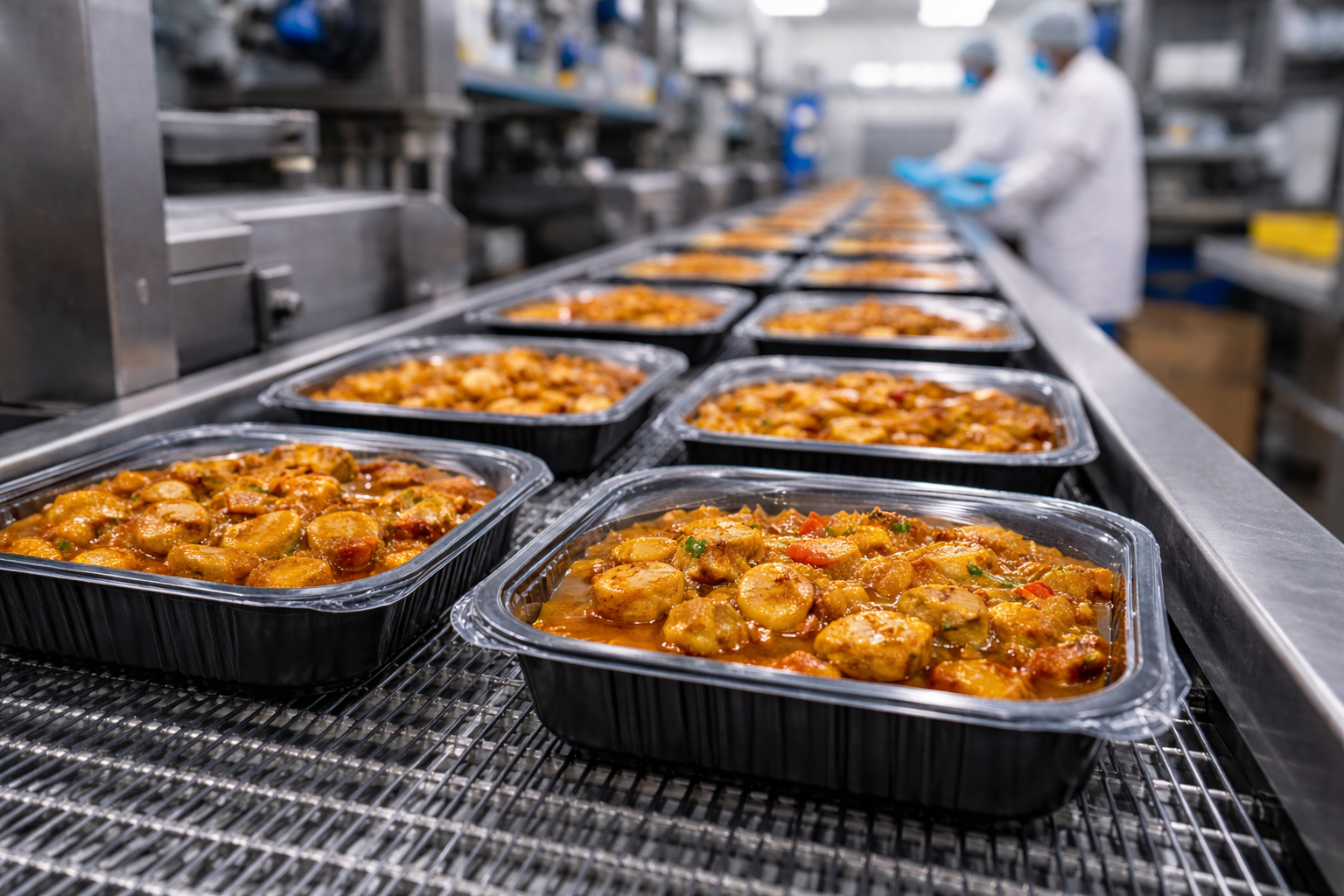
A new Greenpeace analysis is focusing attention on what happens when plastic ready-meal trays are heated rather than merely filled. Reviewing 24 peer-reviewed papers, the report concludes that chemical migration from plastic containers into food is routine, and that microwaving or oven heating significantly increases the release of both microplastics and chemicals.
The report also draws attention to NIAS — non-intentionally added substances created during manufacturing, storage, or thermal interaction with food. In one cited study, polypropylene and polystyrene containers filled with water released between 100,000 and 260,000 microplastic particles after freezer or refrigerator storage followed by microwaving.
That sits alongside a wider chemical issue. Greenpeace said broad screening of microwaveable plastic containers found at least 42 intentionally added substances and more than 100 NIAS migrating into food simulants, while the report also flagged endocrine-disrupting chemicals among the broader concern classes associated with plastics used in food packaging.
The regulatory picture remains uneven. EU food contact rules require materials not to endanger human health, and the Commission has already moved to ban BPA in food contact materials, but Greenpeace argues there is still no specific regulatory guidance covering microplastics released from food contact packaging during normal use.
In ready meals and convenience formats, that pushes packaging choices back to the centre of product design. Heat resistance alone is no longer the whole question; migration behaviour during reheating, chilled storage, and repeated exposure is becoming harder to separate from the packaging brief.