IN Brief:
- Soluble coffee and coffee extracts are being brought into the scope of the EU Deforestation Regulation.
- Instant coffee imports could trigger EUDR due-diligence checks at the EU border.
- The Commission is retaining low, standard, and high-risk benchmarking, with no “negligible risk” category.
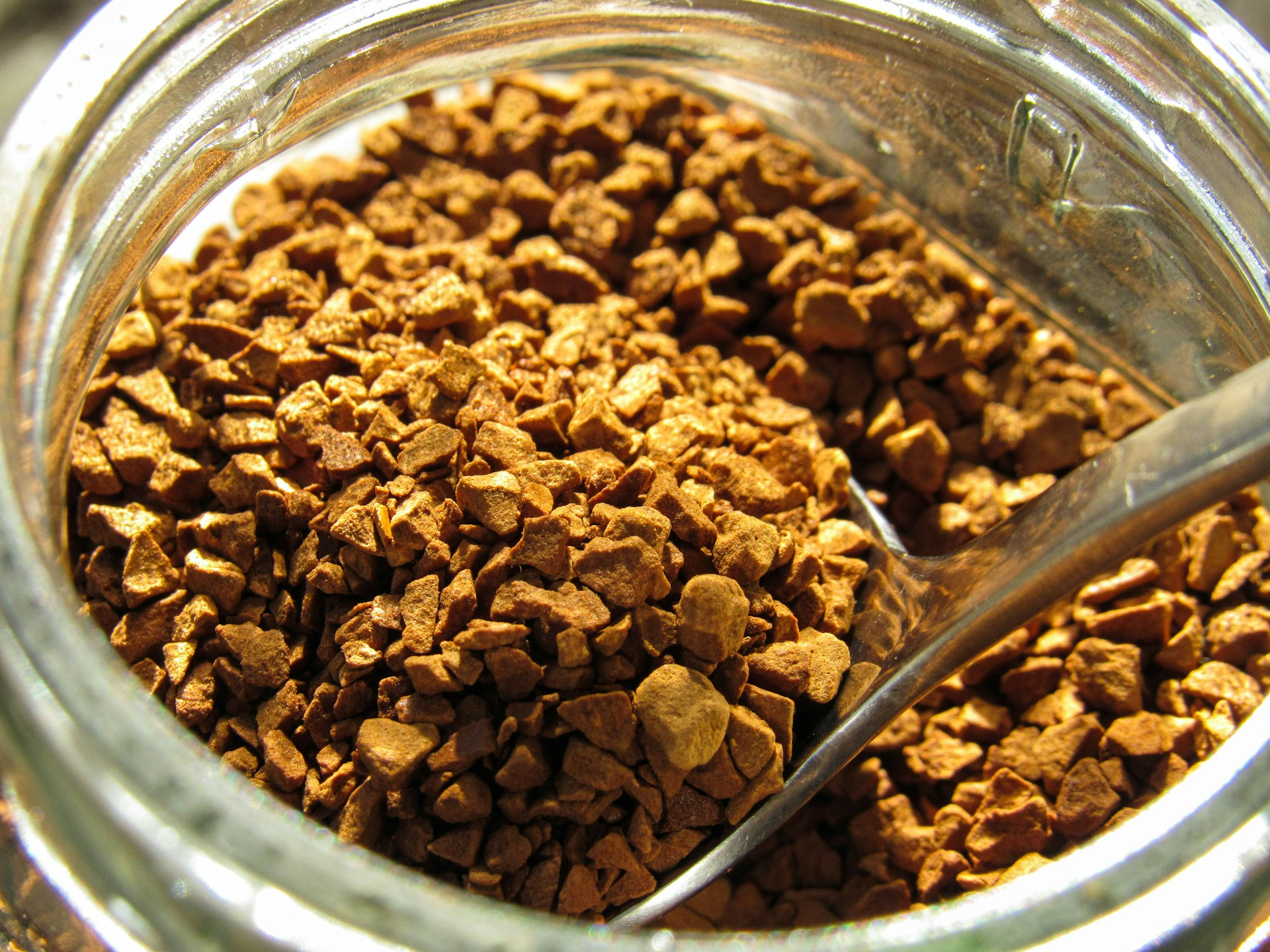
The European Commission has moved to bring soluble coffee and coffee extracts into the scope of the EU Deforestation Regulation, closing a gap that had left some instant coffee products outside parts of the incoming compliance regime.
Coffee was already covered by the EUDR in forms including green coffee, roasted coffee, decaffeinated coffee, extracts, concentrates, and oils. Soluble coffee had remained outside the regulation’s reach in some cases, creating scope for finished instant coffee to be processed and packed outside Europe before entering the EU without equivalent deforestation checks.
The review proposes to amend that position. Once soluble coffee is brought into scope, relevant customs codes could trigger EUDR due-diligence requirements at EU borders. Coffee processors, beverage manufacturers, private-label suppliers, and importers will need to place greater emphasis on origin data, supplier declarations, geolocation records, and chain-of-custody systems.
The review also rules out the introduction of a “negligible risk” or “no-risk” benchmarking category. The three-tier system of low, standard, and high risk will remain. That decision keeps due diligence embedded across covered products rather than creating a simplified exemption route for countries or commodities judged to carry minimal deforestation exposure.
The Commission is updating the EUDR IT system, including simplified declarations and tools for group submissions. Further databases covering relevant laws in producing countries and recognised certification schemes are expected by the end of the year. Larger companies are due to come under the regulation from 30 December 2026, with smaller companies following from 30 June 2027.
Soluble coffee often moves through multi-stage supply chains. Beans may be grown in one region, processed into extract or powder in another, packed elsewhere, and then distributed through regional hubs. Under EUDR, processing does not remove the need to demonstrate that covered commodities are not linked to deforestation after the regulation’s cut-off date.
The change moves compliance deeper into procurement and manufacturing systems. Ingredient specifications, supplier approval, enterprise resource planning, customs documentation, quality assurance records, and contract terms will need to carry consistent origin information. Beverage manufacturers using soluble coffee in mixes, ready-to-drink products, vending formulations, and private-label ranges may need to revisit how supplier data is captured and verified.
Coffee supply chains are already under pressure from price volatility, climate disruption, and tighter scrutiny of farm-level production practices. EUDR will add a market-access requirement to those existing pressures. Suppliers able to provide traceable and auditable data at scale are likely to become more attractive to manufacturers seeking to reduce compliance risk.
The compliance deadlines give companies time to prepare, but supplier mapping, data verification, and customs-code review will need to happen well before finished products approach the EU border.