IN Brief:
- dsm-firmenich has completed an expansion of its Karawang manufacturing site in Indonesia.
- New drying technology can process high-fat and high-protein products alongside additional culinary blending capacity.
- Electric heating and heat recovery target lower emissions and approximately 16% lower energy consumption.
dsm-firmenich has completed an expansion of its Karawang manufacturing facility in Indonesia, adding drying and culinary blending capability while increasing local production capacity for its food and nutrition customers.
dsm-firmenich has expanded the site as part of a wider investment in its Indonesian operation, which also includes a new Jakarta office bringing together teams from Taste, Texture & Health, Health, Nutrition & Care, and Perfumery & Beauty.
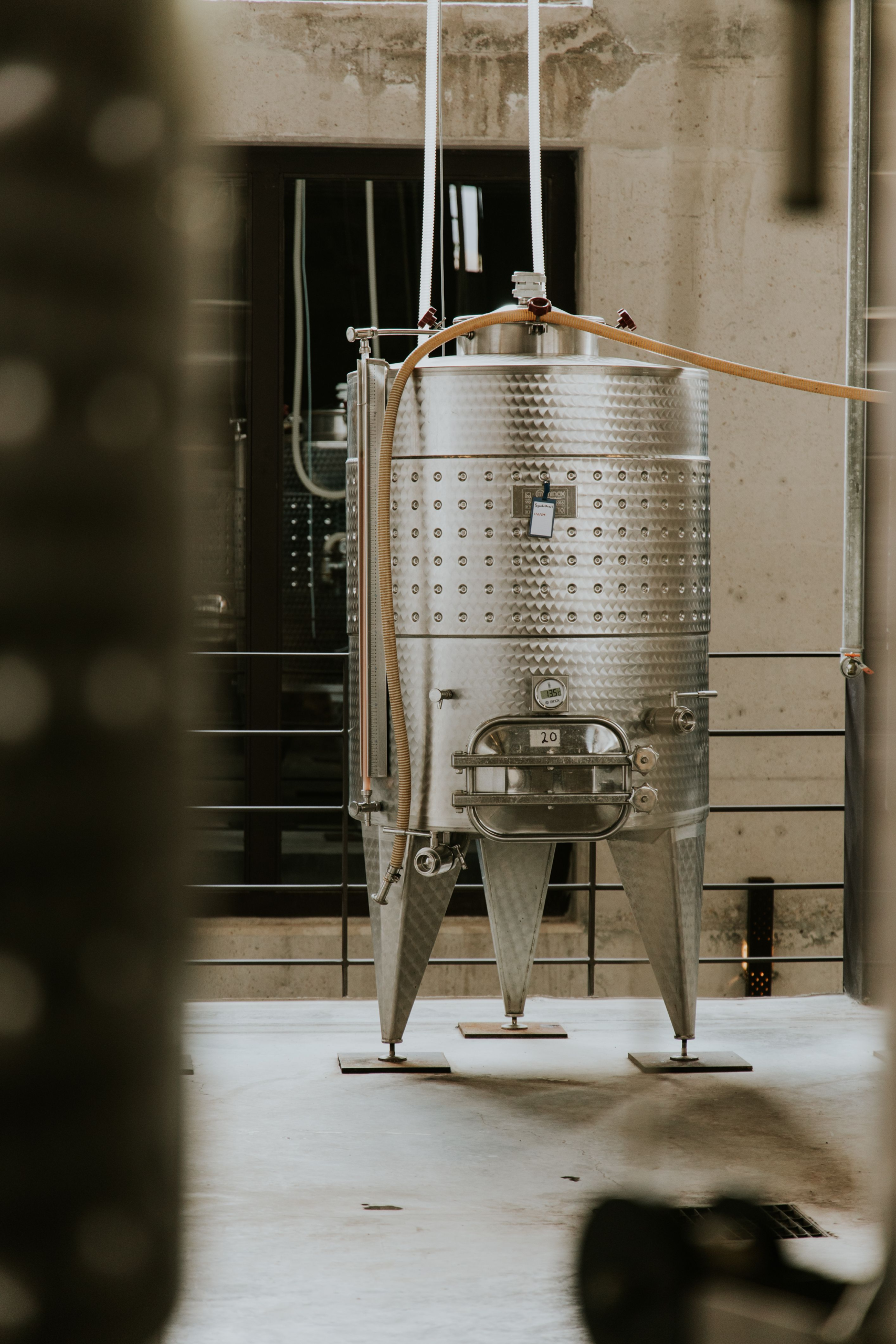
The manufacturing element is centred on new drying technology for reaction and top-note products. The equipment is capable of handling both high-fat and high-protein materials, increasing the range of formulations that can be processed at Karawang rather than transferred to another site.
Additional culinary blending capability has also been installed. At ingredient scale, blending requires considerably more control than simply combining dry materials. Dosing accuracy, segregation, particle behaviour, allergen management, cleaning, traceability, and repeatability all influence whether a formulation can be manufactured consistently from batch to batch.
The same applies to drying. High-fat and high-protein products can behave very differently under thermal processing, particularly as moisture is removed and solids concentration changes. Stickiness, heat sensitivity, powder formation, residence time, and downstream handling can all influence the available process window.
Equipment able to handle a wider range of product characteristics therefore gives an ingredient plant more flexibility than a capacity increase built around one formulation. That matters in a business where customers frequently require variations in flavour, texture, nutritional composition, carrier systems, and finished-product application.
dsm-firmenich has not published the expanded site’s annual tonnage or the percentage increase in production capacity. It describes the uplift as significant and connects the project with growing Indonesian demand and the need to bring product development and manufacturing closer to regional customers.
That proximity has practical value in ingredient development. A formulation created for one market may need adjustment for locally available raw materials, established food formats, process conditions, consumer preferences, nutrition requirements, or manufacturing costs.
Trials can expose changes needed in stability, flavour intensity, dispersion, texture, dosing, or thermal behaviour before the ingredient reaches routine production. Locating technical development and manufacturing within the same regional operation can shorten the route between those trials and commercial batches.
The Karawang expansion also changes the site’s energy system. dsm-firmenich says the plant operates on 100% green electricity and that electric heating is expected to reduce carbon dioxide emissions by around 300 metric tonnes per year.
Heat recovery is expected to cut energy consumption by approximately 16%. Unlike purchasing lower-carbon electricity, which changes the emissions associated with supplied energy, heat recovery reduces the amount of energy the process needs by capturing thermal energy that would otherwise leave the system unused.
For thermal food and ingredient processes, that distinction matters. Drying can be energy-intensive, and production economics depend not only on the heat required to remove moisture but also on how effectively air, exhaust heat, process temperatures, and downstream operations are managed.
Electrifying heating while recovering waste heat creates the possibility of lowering both direct emissions and overall consumption, although the real performance will depend on commercial operating patterns. Multi-product factories rarely run at one steady load, so energy systems have to remain effective through different formulations, cleaning cycles, start-ups, shutdowns, and production campaigns.
Product changeovers present a similar test for the new equipment. Greater formulation flexibility can improve customer responsiveness, but every additional product can introduce requirements around cleaning, allergen control, contamination prevention, drying conditions, powder handling, and quality verification.
An expanded plant therefore has to translate nominal capacity into available capacity. Machinery capable of processing more tonnes has limited commercial value if complex changeovers consume too much production time or if the process window narrows sharply between products.
dsm-firmenich’s ingredient strategy is also moving other technologies towards larger production scales. Its separate Protopia fermentation programme is preparing for substantially larger production runs, where drying, downstream handling, contamination control, and process transfer become increasingly important as ingredient development leaves laboratory scale.
The Karawang investment approaches the manufacturing question from an established-site perspective. Rather than developing one new ingredient process, it adds broader drying and blending capability that can support multiple customer formulations through the same production base.
That creates a different type of scale advantage. Shared equipment, utilities, quality systems, technical teams, and raw-material handling can serve a wider portfolio provided the plant remains flexible enough to move efficiently between products.
The site’s location within Indonesia also reduces some dependence on long-distance supply for customers served from the region. Local manufacturing cannot eliminate global sourcing exposure, particularly where specialist raw materials still travel internationally, but it can shorten part of the finished-ingredient chain and reduce the time between formulation decisions and commercial supply.
dsm-firmenich has operated in Indonesia for more than 35 years, making the project an expansion of an established manufacturing footprint rather than entry into a new market. The Karawang inauguration took place on 14 September, followed by the opening of the Jakarta office on 15 September.
The investment combines several objectives that are increasingly being attached to food-factory capital projects: greater capacity, wider product capability, shorter development cycles, lower emissions, and lower energy consumption.
Those objectives do not automatically reinforce one another. More capacity can increase total energy demand, a broader product mix can create additional cleaning and downtime, and local manufacturing improves responsiveness only when the plant has sufficient production flexibility to make the required formulations economically.
Karawang now has a broader processing envelope in which to test that balance. The useful measure will be whether the additional drying and blending capability converts into reliable commercial output while the expected energy reductions are maintained under changing production loads.