IN Brief:
- Baiada's new Tamworth processing plant launches with capacity for around 1.5 million chickens per week.
- The approved development can ultimately process up to three million birds weekly.
- Automated processing, traceability, packaging, cold storage, logistics, and multi-stage chilling are integrated across the site.
Baiada has opened its new poultry processing facility in Tamworth, New South Wales, bringing a large greenfield plant into production with automated processing, digital controls, integrated traceability, packaging, cold storage, and logistics.
Baiada Poultry is beginning operations at capacity for around 1.5 million chickens per week. The approved development can ultimately process up to three million birds weekly, giving the company substantial room to increase output as the wider production network and second-stage capacity are brought into use.
The facility has been designed around high-throughput poultry processing rather than a single equipment upgrade. Current launch information describes two processing lines capable of handling up to 15,000 birds an hour each, supported by automated quality assurance, secondary processing, packaging, cold storage, logistics, and digital process-control systems.
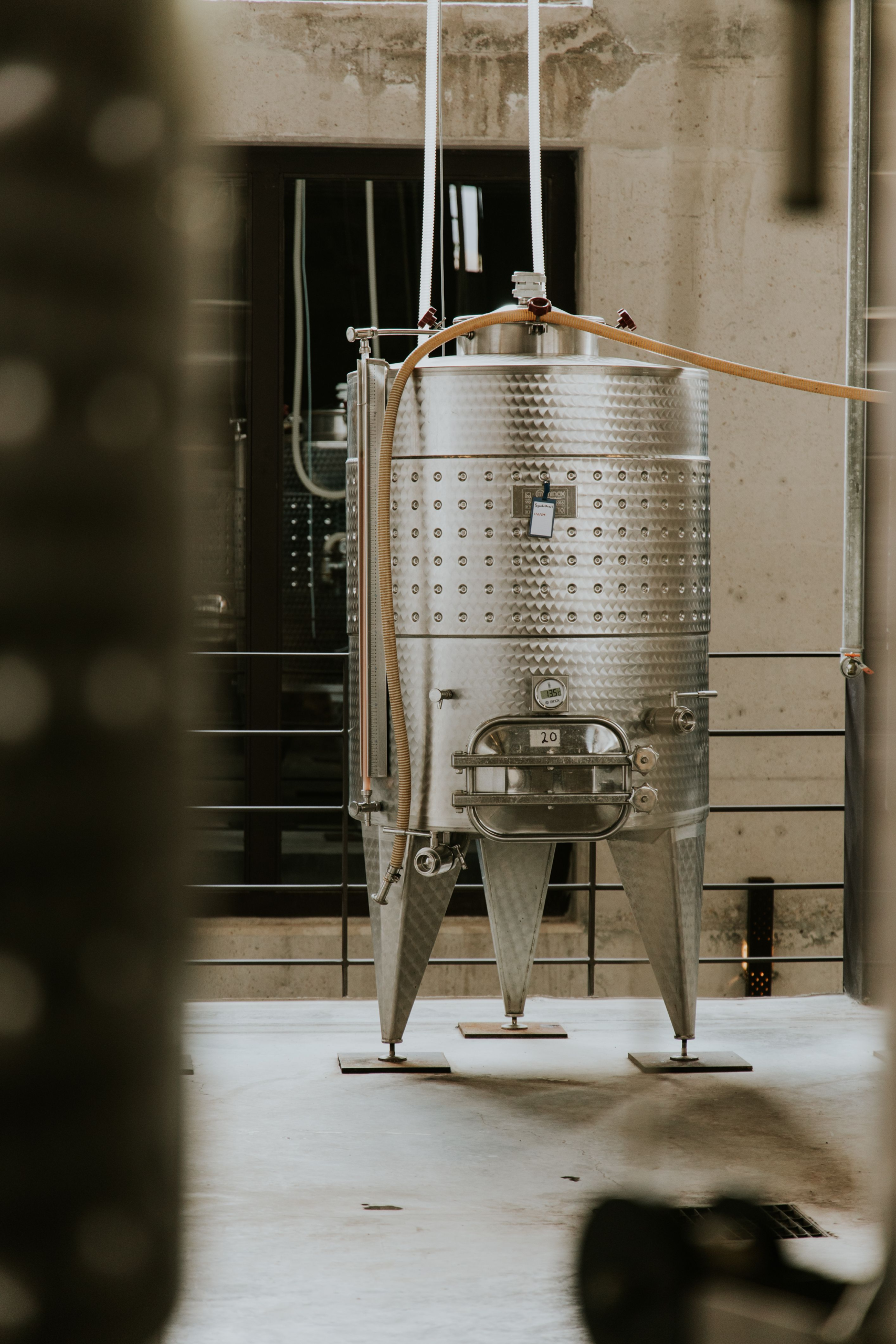
A multi-stage chilling system is one of the more significant process elements. The arrangement combines immersion chilling, shock chilling, and maturation air chilling, giving the plant several controlled stages in which product temperature can be reduced before further processing and packing.
Chilling capacity is critical in poultry because the factory has to remove heat rapidly while maintaining a continuous material flow. A processing line capable of handling large bird volumes gains little from its nominal speed if the refrigeration stage cannot accept product at the same rate.
The same principle applies further downstream. Cutting, inspection, weighing, packaging, pallet movement, cold storage, and despatch all have to remain sufficiently balanced to prevent material accumulating between operations. A modern poultry plant is consequently better understood as a linked production system than as a sequence of independent machines.
Baiada’s digital traceability systems add another layer to that integration. Higher throughput increases the volume of production information generated by each shift, and operators need to retain reliable links between physical product, processing conditions, batches, quality checks, packaging, storage, and outbound movements.
That becomes particularly important when a deviation has to be investigated. Effective traceability can allow a manufacturer to identify the affected production more precisely rather than placing a much broader volume on hold while records are reconstructed manually.
The company already describes its Australian processing operations as highly automated and technologically advanced. Tamworth extends that model within a region where Baiada has had poultry operations since the 1960s and where grain production, farming, transport, processing, and other infrastructure have developed around a substantial poultry cluster.
The scale of the approved plant means the investment reaches well beyond the processing building. Three million birds per week require corresponding capacity across feed supply, breeding, farms, live-bird transport, refrigeration, packaging, storage, utilities, wastewater treatment, and distribution.
NSW planning approval for the development included the poultry plant alongside protein recovery, wastewater treatment, and water-treatment infrastructure. That broader specification reflects the fact that a plant of this size cannot increase processing capacity without increasing the demands placed on the services around it.
Water and wastewater are obvious examples. Poultry processing involves substantial hygiene, cleaning, and temperature-control requirements, and higher production volume increases the importance of recovering, treating, and managing water consistently alongside the product process.
The same applies to by-products. Baiada operates protein-recovery facilities as part of its integrated business, giving material that does not enter the human food stream another processing route. At high volumes, by-product handling is not a peripheral waste issue; it is another continuous material flow that has to keep pace with the main factory.
The launch also comes as poultry processors elsewhere continue tightening automation around weighing, packing, and quality control. Recent installations have shown how automated weighing and tray packing can raise line output while reducing manual handling, but those individual gains depend on sufficient capacity across the surrounding process.
Tamworth takes that principle to plant scale. Faster primary processing is useful only if chilling, cutting, inspection, packing, refrigeration, and warehouse operations remain synchronised, while an interruption in any one of those areas can rapidly affect a live production chain that has limited capacity to wait.
Greenfield construction gives Baiada an advantage over older plants assembled through decades of extensions. Equipment, controls, product flow, utilities, hygiene zoning, storage, and logistics can be designed around a common production concept rather than fitted around machinery and buildings from several generations.
It also creates a more substantial commissioning task. Individual machines may pass acceptance testing before the plant starts, but sustained commercial operation exposes the interactions between equipment, product variation, sanitation, control logic, maintenance, staffing, and customer schedules.
That is why the initial 1.5-million-bird weekly capacity is more meaningful than the theoretical maximum on the approval. The factory now has to establish repeatable production at industrial volume before the full three-million-bird envelope becomes a useful measure of what the investment can deliver.
The machinery can already process poultry at considerable speed. The harder test is whether the complete system around it can maintain temperature, traceability, hygiene, product quality, and despatch performance while that speed rises.