IN Brief:
- The Avanca cereal factory recovers heat from its refrigeration system for process hot water and building heating.
- Nestlé reports annual savings of about 7,800MWht of natural gas, 20,000m³ of water, and approximately 2,000 tonnes of CO2e.
- The project integrates cooling and thermal demand within an established food manufacturing utility system.
Nestlé Portugal has quantified the operating impact of a heat recovery system at its Avanca cereal factory, reporting annual reductions in natural gas demand, water consumption, and greenhouse gas emissions from equipment installed in 2025.
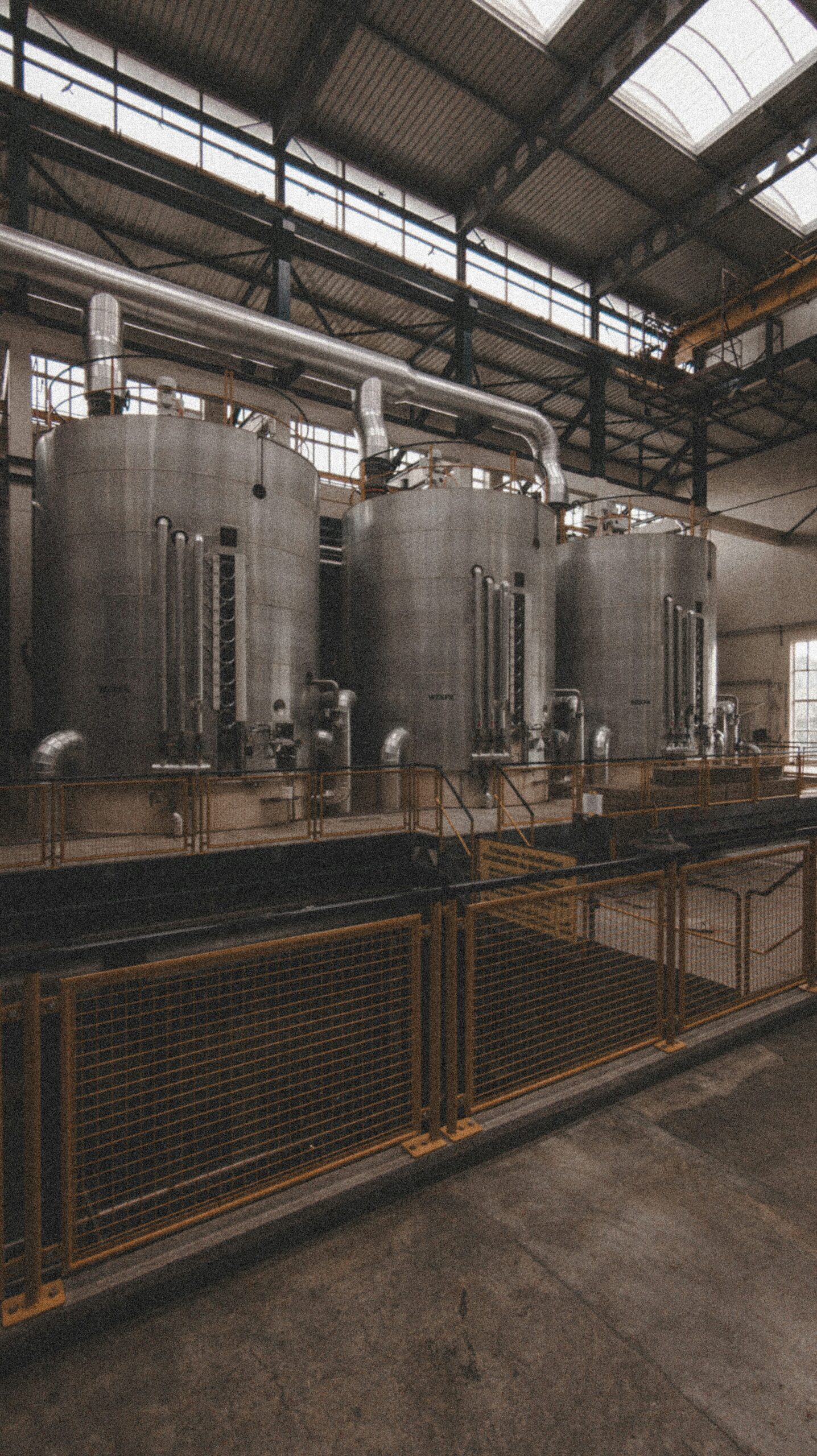
The system uses a heat pump to recover energy from the refrigeration plant and transfer it into water used for production and building heating. Instead of rejecting that heat outside while burning gas elsewhere on site, the factory now links part of its cooling load with its thermal demand.
Nestlé says the installation saves around 7,800MWht of natural gas each year, cuts water consumption by approximately 20,000m³, and avoids about 2,000 tonnes of CO2 equivalent emissions. The company describes the heat pump as up to nine times more efficient than a conventional natural gas system under the conditions in which it operates.
Avanca is one of Nestlé’s two manufacturing sites in Portugal and produces breakfast cereals, while the company’s Porto factory produces roasted coffee. The group also operates a distribution centre at Avanca, giving the site a wider logistics role alongside production.
The heat recovery project addresses a common utility imbalance in food production, where cooling and heating demand can occur at the same time. Refrigeration systems remove heat from products, process areas, storage rooms, or utilities, while cleaning, hot water, space heating, and some process duties require thermal energy elsewhere in the plant. Conventional arrangements can therefore reject useful heat from one system while purchasing fuel to create it again in another.
A heat pump changes that balance by raising the temperature of recovered energy to a level that can be used elsewhere. The technical case depends on the temperature available from the refrigeration system, the temperature required by the receiving process, operating hours, electricity costs, and whether heat supply and heat demand occur at compatible times.
Those conditions are common enough in food and beverage plants to make refrigeration heat recovery an increasingly practical engineering option. Large sites may operate cooling continuously while also using substantial quantities of hot water for washing, hygiene, process preparation, or building services. When those loads overlap, recovered energy can displace part of the boiler demand without altering the underlying production process.
Nestlé’s figures also show why the result has to be assessed across the complete utility system. The project does not simply replace one heater with another. It changes how refrigeration, water, and thermal energy interact, so the reported savings appear in reduced gas consumption, lower water use, and avoided emissions rather than in a single electricity figure.
The company says electricity used at its Portuguese factories comes from renewable generation, while both Avanca and Porto hold Zero Waste to Landfill certification. Nestlé has also installed photovoltaic panels and an urban wind turbine at its Portuguese campus, although the Avanca heat pump is more directly connected with the operating efficiency of an existing food production asset.
Integration in an established factory is more demanding than the headline efficiency figure suggests. Refrigeration is production critical, so changes have to preserve cooling resilience, hygienic operation, maintenance access, and fault tolerance. Pumps, heat exchangers, controls, storage, and pipework must be added around equipment that may already be running close to its design load.
Temperature is another constraint. Recovered heat from refrigeration is well suited to lower temperature duties, but it cannot automatically replace every thermal process. Factories requiring steam or very high temperature water still need another heat source unless the recovery system is combined with additional equipment capable of delivering the necessary temperature lift.
Production schedules can also influence the economics. A plant running continuously provides a steadier relationship between cooling and heating loads than a site with short, irregular campaigns. Thermal storage can help bridge differences in timing, but it adds capital cost, space requirements, and another layer of control to the installation.
Avanca nevertheless provides a useful example of the opportunity available when utility systems are treated as one energy network. Refrigeration heat that previously had little value now replaces part of the plant’s purchased gas demand and reduces water consumption at the same time.
The next test is persistence rather than novelty. The installation is already operating, so the value of the project will be determined by whether the reported savings remain consistent as production volumes, maintenance cycles, and seasonal heating requirements change. That is a more meaningful measure for food manufacturing than a one-off commissioning efficiency figure.