IN Brief:
- Podișul Transilvaniei Agricultural Cooperative is building a €45m oilseed processing plant at Mihai Viteazu in Cluj County.
- The 8.5 hectare site is designed for 600 tonnes of seed a day and includes six silos, meal storage and tanks.
- CEC Bank expects commissioning by the end of 2027, while cooperative member Emil Turdean has put production in April 2028.
CEC Bank is cofinancing a €45 million oilseed processing plant being built by Cooperativa Agricolă Podișul Transilvaniei at Mihai Viteazu in Cluj County, Romania. The 8.5 hectare facility is designed to process 600 tonnes of seed a day and will include six raw material silos, meal storage, tanks and supporting industrial buildings.
The cooperative brings together 21 farmers from Cluj, Alba and Mureș counties, with financing drawn from European funds, member contributions and bank credit. The funding structure includes €10 million from European funds and €10 million from cooperative members, while CEC Bank is covering the remaining capital requirement as principal banking partner.
That ownership model links agricultural production directly with industrial processing. Member farmers will supply the crops entering the plant, giving the cooperative an opportunity to retain more value than it would by selling raw seed alone. The arrangement does not remove exposure to crop volumes, oil content or commodity prices, but it ties the factory more closely to its feedstock base than a processor buying entirely on the open market.
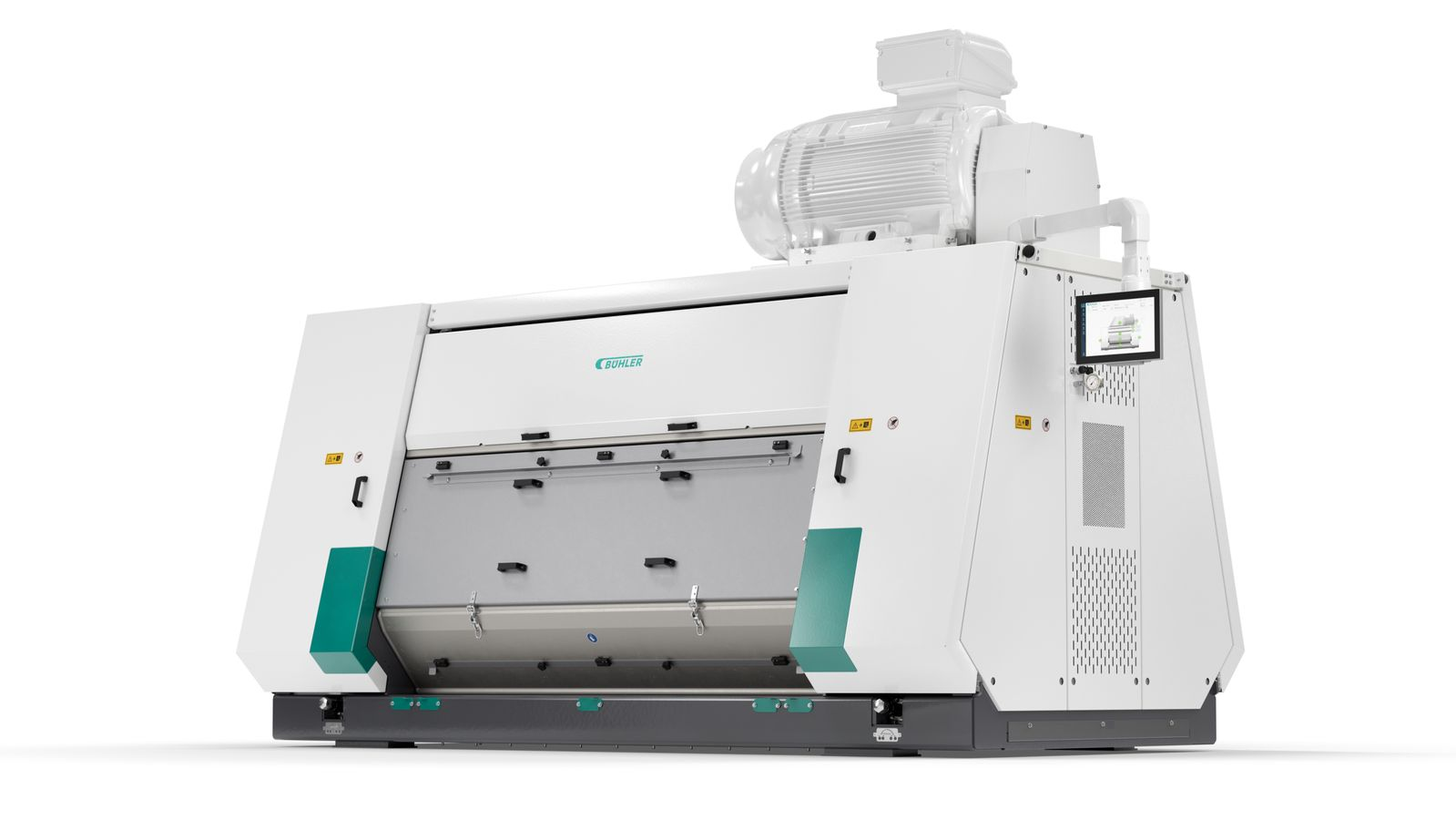
The plant is intended to handle sunflower, rapeseed, soya and flax, so incoming material will have to be received, inspected, stored and conditioned before extraction. Oilseed equipment development has placed increasing emphasis on preparation stages such as flaking because moisture, particle structure and seed condition influence both oil recovery and the characteristics of the remaining meal. A multi crop factory must manage those variables while changing between raw materials that behave differently in storage and processing.
This makes the six silos part of the production system rather than passive storage. They provide a buffer between agricultural deliveries and the processing line, allow different crops or qualities to be segregated and reduce dependence on trucks arriving in exact sequence with factory demand. Without sufficient buffering, the extraction line can become constrained by logistics even when the process equipment itself has spare capacity.
The project is planned in two stages, beginning with oilseed processing before refining is added later. Extraction separates oil from the seed material, while refining removes components that affect colour, flavour, stability and final edible oil specification. The remaining meal is commercially important as well, so storage and dispatch for solid material have to be sized alongside oil tanks rather than treated as secondary handling.
At the same time, the factory will incorporate a 1.65 MW agrivoltaic system with battery storage for onsite consumption. Solar generation can offset part of the plant’s electrical demand during daylight hours, while the battery can shift some of that energy into later periods. It cannot replace the wider grid connection because a plant designed for hundreds of tonnes of daily throughput will have continuous electrical loads that extend beyond the solar generation window.
The scale also has direct implications for road logistics. A nominal 600 tonne daily intake requires a regular flow of trucks, along with enough weighing, sampling and unloading capacity to prevent queues from limiting production. Similar discipline is needed outbound because both oil and meal have to leave the site at rates compatible with storage capacity, otherwise finished material can back up into the process.
Commissioning remains the principal timing uncertainty. CEC Bank expects the plant to become operational by the end of 2027, while cooperative member Emil Turdean has put the start of production in April 2028. Those dates bracket the likely start period, and the gap is credible for a project in which structures, silos, conveyors, process vessels, utilities, controls and fire protection all have to be integrated before commercial throughput begins.
Once operating, the factory will have to manage another layer of complexity around crop changeovers. Different seeds require different preparation and extraction settings, while storage strategy determines whether the plant can switch materials without excessive cleaning or idle time. The commercial benefit of handling several crops therefore depends on how quickly the process can move between them without sacrificing yield or product quality.
The cooperative has committed to industrial scale, but the 600 tonne design figure will only become meaningful when the site can sustain that material flow through receiving, preparation, extraction, storage and dispatch. At such volumes, small percentage losses translate into large quantities of oil or meal, so stable operating control will matter as much as the size of the investment once commissioning is complete.