IN Brief:
- Amcor inaugurated a new foil lacquering line at Froges on 8 October 2026.
- The equipment replaces a line dating from 1974 at a site employing about 150 people.
- The investment includes solvent recovery and direct printing on aluminium cheese-packaging foil.
Amcor has inaugurated a new aluminium-foil lacquering line at its factory in Froges, France, replacing equipment that had been operating since 1974.
The inauguration was reported on 8 October 2026 by regional business publication Présences and by the local chamber of commerce. The development is the completion of a new production installation, not simply a previously announced intention to invest.
The Froges site is located near Grenoble and employs approximately 150 people. It specialises in aluminium-based food packaging, including foil used for cheese portions.
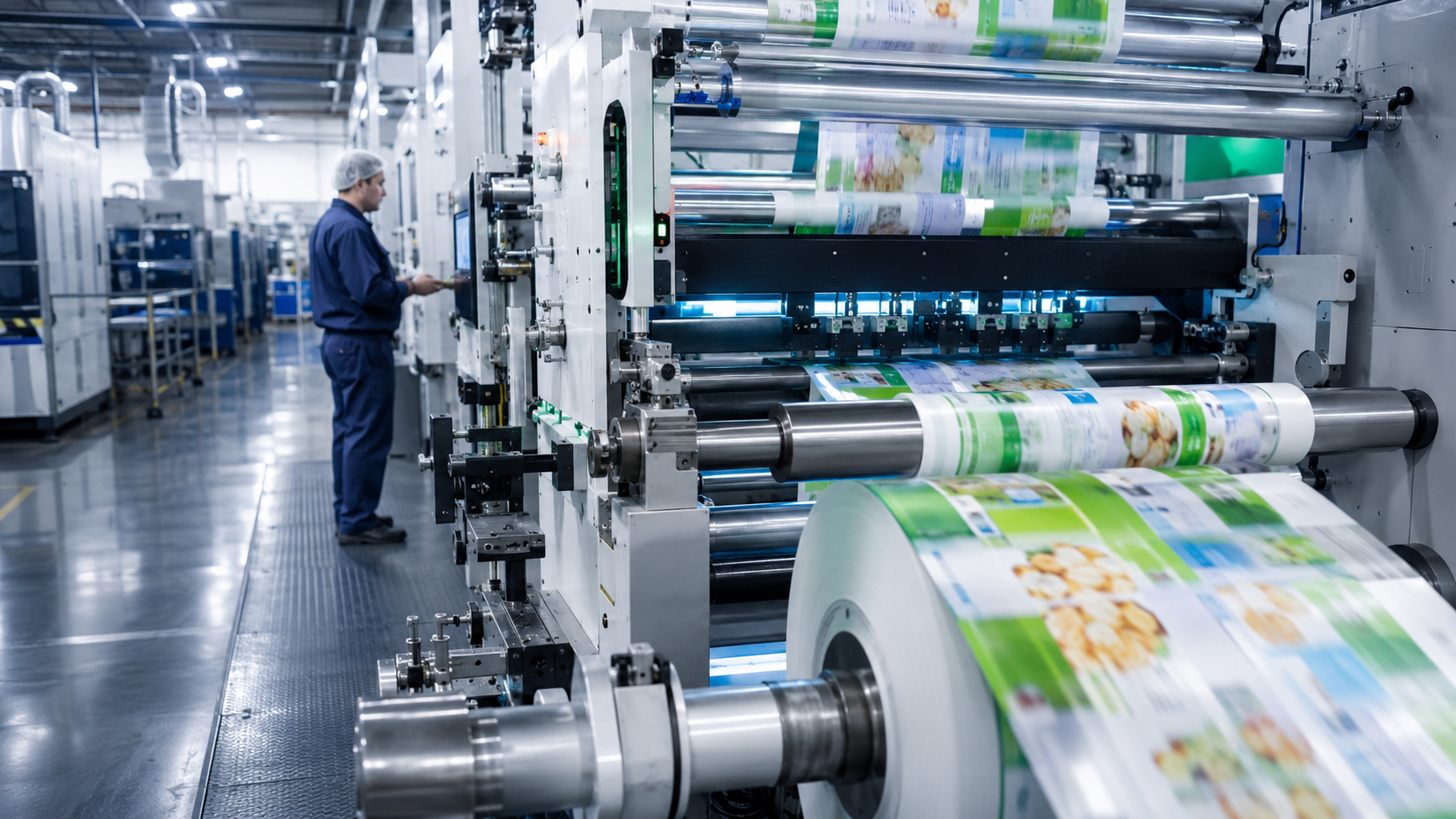
The new production line supports coating and printing of material intended for subsequent packaging applications. Amcor has described it as the fastest cheese-foil lacquering line in its network.
That performance description comes from the company. No verified operating speed, annual capacity or before-and-after productivity comparison was provided in the public inauguration reporting.
Lacquering applies a coating to a substrate to create surface characteristics needed for later conversion and use. For packaging foil, the properties required depend on the food product and the operation in which the material is formed.
Cheese packaging needs materials that can be converted into consistent shapes and maintain the intended contact and protection functions throughout filling and distribution.
The coating system must control application, drying and web handling. Variation in surface condition or coating uniformity can affect subsequent operations and the consistency of finished packaging.
Industrial coating can involve solvents used as part of material application. Their handling is an important consideration for worker safety, process design and environmental performance.
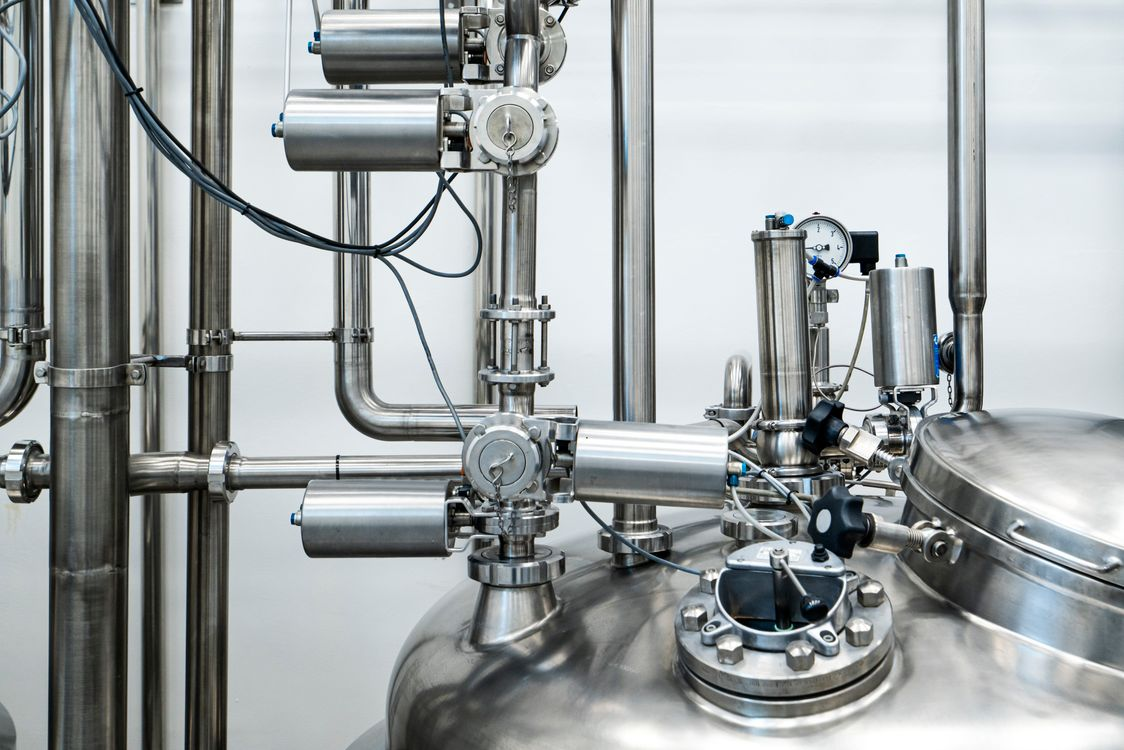
The Froges investment includes a system intended to recover and reuse solvents in a closed-loop arrangement rather than treating all solvent as a single-use material.
Recovery capability may reduce solvent consumption and losses, but the actual outcome depends on recovery efficiency, equipment energy use and the characteristics of the coating process.
Amcor has not published a quantified emissions reduction or solvent-reuse percentage for the new installation. Neither should be assumed from the fact that recovery equipment is present.
The line also allows direct printing onto aluminium foil. This provides an alternative to applying separate paper labels in relevant cheese-packaging formats.
Combining printing with a coated aluminium format may change the material structure of an individual pack, although the complete environmental assessment depends on what the new construction replaces.
It would be premature to claim that every pack produced on the line is recyclable under all collection and reprocessing systems. Coatings, inks and other components remain part of the material specification.
The choice of printing and coating chemistry also depends on product-contact and downstream processing requirements. Food protection cannot be treated as secondary to material reduction.
Processing lines that combine more operations may change internal handling and inventory, but the inauguration reporting does not establish a complete process-flow diagram or the number of passes required for each product.
The factory has an extensive industrial history, and the previous lacquering equipment had been in service for more than five decades. Replacing such a machine can affect maintenance and controls as well as nominal production speed.
Older lines often require continuing support for mechanical systems, instrumentation and components. The cost and practicality of maintaining them depend on their condition and the availability of appropriate spares.
A new line gives operators an opportunity to reassess control arrangements and production scheduling, although claimed savings must still be supported by operating data.
The investment has been described as several million euros, without a precise public figure. Regional reporting identifies it as one of Amcor’s larger recent European manufacturing investments.
That description should remain attributed, because investment rankings depend on the projects and accounting period chosen for comparison.
The Froges operation supplies customers beyond France, including markets in Africa and the Middle East, according to reporting surrounding the opening.
Export-oriented packaging supply places a premium on consistent material specification and reliable order fulfilment. Converters must also meet the technical requirements of the equipment used by customers.
The European regulatory environment provides additional context for packaging investment, but commissioning this line does not establish compliance of every resulting packaging structure with every future requirement.
The relevant performance measures will include coating consistency, print quality, usable production output and actual solvent-recovery results once the line has accumulated operating time.
Those measures are distinct from the official opening event. The opening confirms a new industrial capability at Froges, not independently proven long-term production or environmental outcomes.
Further claims about capacity, maintenance savings or recycling performance would require additional engineering or operating evidence from Amcor.
The verified October development is the inauguration of the replacement cheese-foil lacquering equipment with direct printing and solvent recovery, preserving the site’s specialist packaging role.