IN Brief:
- ACM formally rejected Zwanenberg's proposed acquisition of Unox business assets on 26 October, publishing its decision the following day.
- The combined company would have controlled approximately 60–85% of specific Dutch sausage and ambient soup markets.
- Proposed production divestments failed to resolve concerns over insufficient capacity, operational dependence and limited alternatives for supermarket buyers.
The Netherlands Authority for Consumers and Markets (ACM) has blocked Zwanenberg’s proposed acquisition of Unox assets from Unilever, finding that the transaction would leave Dutch supermarkets with too few competing suppliers of several processed sausage and shelf-stable soup products. The decision was made on 26 October and publicly announced the following day.
ACM estimates that the combined business would hold shares of approximately 60–85% in the relevant markets for smoked sausages, boiled sausages and ambient wet soups. These figures describe particular Dutch product markets, not the proportion of all food manufactured or sold in the Netherlands. The regulator concluded that the resulting negotiating position could lead to higher wholesale prices and, potentially, higher retail prices.
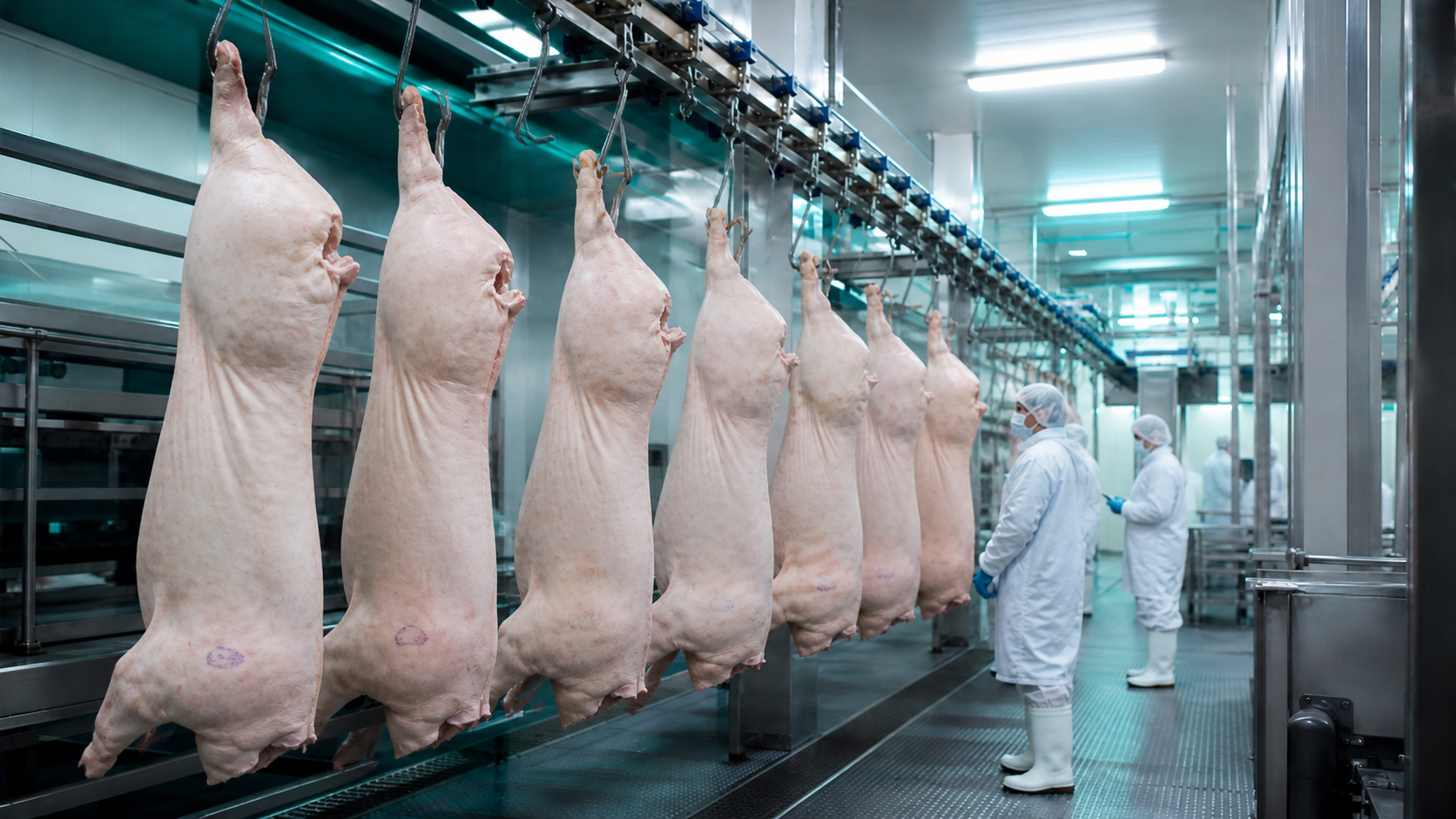
Zwanenberg manufactures meat products, soups and sauces, including private-label ranges supplied to supermarkets. Unox is a prominent branded supplier of smoked sausages, frankfurters and shelf-stable soups. Zwanenberg already produces a substantial share of Unox products, according to ACM’s earlier investigation, but acquiring the relevant business assets would also transfer commercial control of a strong brand into a company with major private-label interests.
That distinction was central to the competition assessment. A producer supplying supermarket own-label products can already influence the range of manufacturing alternatives available to retailers. Controlling a leading branded competitor as well would reduce the options buyers could use when negotiating supply terms, even where factories or products continued to operate under familiar labels.
Retailers provided evidence to the investigation and raised concerns about price increases. ACM found that the remaining alternatives in the affected categories would be insufficient to constrain the combined company. It did not conclude that prices had already risen because of the proposed acquisition; the transaction was examined before approval and prevented on the basis of the projected competitive consequences.
The manufacturing requirements of the affected categories were relevant to whether another company could enter the market. Establishing sausage capacity requires suitable processing equipment, product recipes, food safety controls and sufficient production scale. Boiled and smoked sausages are distinct categories, while shelf-stable soups rely on different manufacturing and preservation systems. A competitor capable of producing one food type cannot necessarily substitute immediately for an established supplier in another.
ACM found no convincing indication that new competitors would enter the markets quickly enough to offset the loss of rivalry. Building or adapting production capacity involves substantial investment, and the regulator considered the prospect of recovering that expenditure uncertain. A theoretical ability to enter the market was not treated as equivalent to a credible source of near-term supply for supermarkets.
During the review Zwanenberg proposed remedies, including the sale of some production capacity to a buyer that could compete with the enlarged group. The regulator examined whether the proposed disposal would create a supplier with adequate facilities, products and independence to replace the competition lost through the transaction.
The proposals failed that test. ACM found that the intended buyer would not have sufficient new production capacity, particularly for boiled sausages, and that the arrangements lacked important operational detail. The buyer would also remain dependent on Zwanenberg for the first two years, calling into question whether it could operate as an independent competitor during the period immediately following the acquisition.
A viable production divestment must provide more than machinery or nominal ownership of a production line. The purchaser needs adequate capacity to manufacture the relevant products and sell them to customers without relying on a commercial rival for essential operating functions. The regulator considered the proposed relationship too dependent and too poorly specified to provide that assurance.
Supermarkets likewise questioned whether the plan would preserve meaningful competition. ACM therefore refused approval rather than permitting the transaction subject to the proposed measures. The affected assets relate to Unox and certain Zwan-branded interests in Belgium and Greece; the regulator’s principal concerns in its public explanation concern Dutch sausage and soup markets.
The transaction has a history extending beyond this week’s decision. ACM opened an in-depth investigation in 2025 after its preliminary assessment identified a risk that ownership of the Unox brand could strengthen Zwanenberg’s bargaining power. The latest decision concludes that further review and rejects the remedies offered during the process.
The authority is conducting a separate study of grocery prices in Dutch supermarkets. That investigation is not the legal basis for this merger refusal and should not be conflated with the assessment of the Unox transaction. The proposed acquisition was blocked because of the competition ACM expected to be lost in the specific product markets examined.
The parties may challenge the decision through the available appeal procedure. An appeal would be a further legal step, not an automatic authorisation to complete the acquisition. Until the decision is overturned or a different transaction receives approval, the proposed transfer of Unox’s relevant assets to Zwanenberg cannot proceed in the rejected form.