IN Brief:
- Autopack has installed a second sauce packaging line at P&B (Foods), rated for up to 200 bottles per minute.
- The new system combines bottle unscrambling, rotary net-weight filling, a capping block and rotary wraparound labelling.
- An earlier line was rated at up to 100 containers per minute on one-litre packs and used piston filling; the equipment specifications must remain distinct.
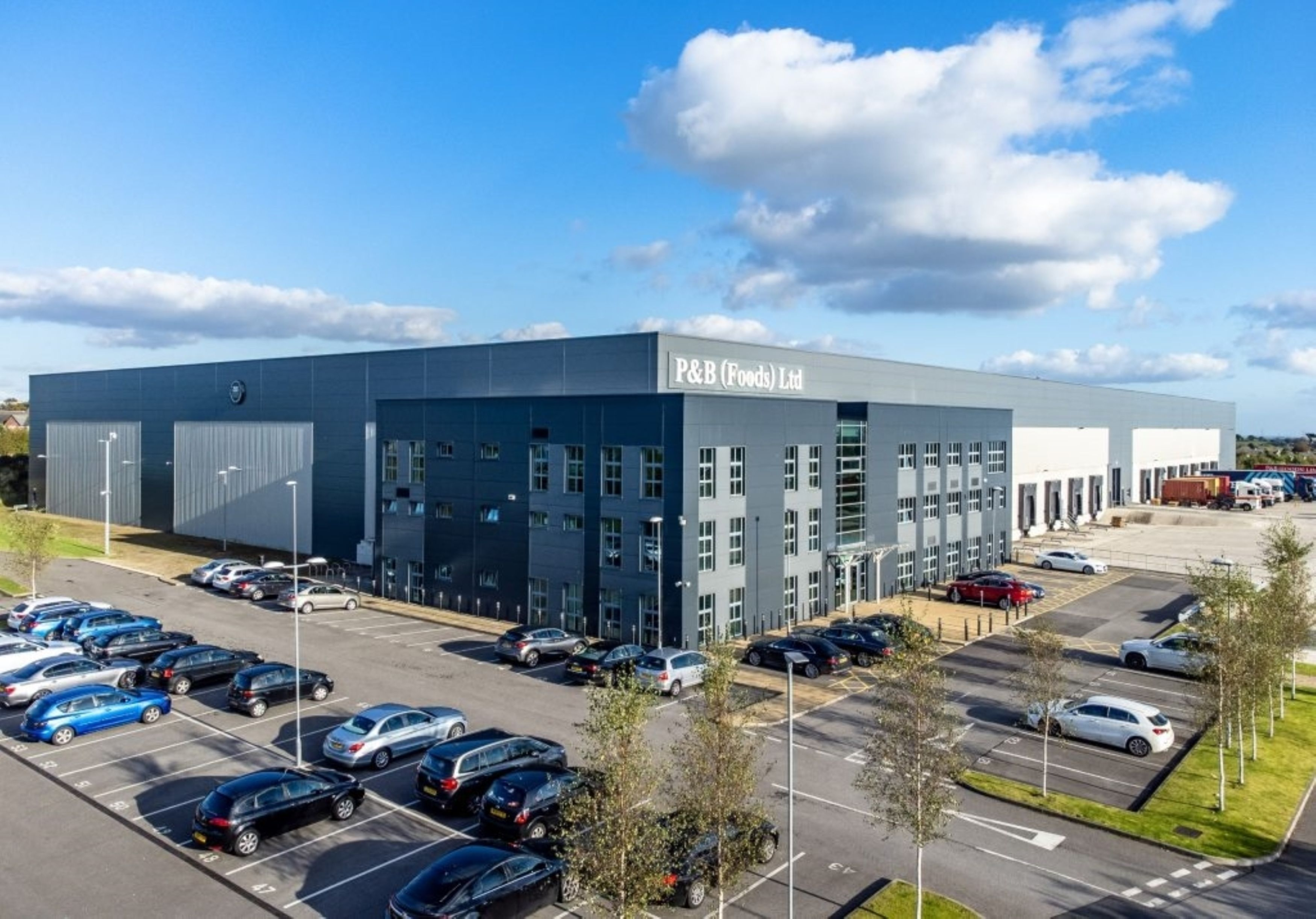
P&B (Foods) Ltd has installed a second automated sauce packaging line supplied by Autopack, adding equipment rated for up to 200 bottles per minute. The turnkey system combines bottle unscrambling, rotary net-weight filling, a capping block and rotary wraparound labelling as the Bradford food manufacturer increases its packaging capacity.
The latest installation extends a machinery partnership that began in 2023. It follows an earlier Autopack sauce line rated at up to 100 containers per minute on one-litre packs, alongside other automation projects serving the company’s sauce and edible-oil operations. The two sauce systems use different filling technologies and represent separate investments.
P&B manufactures and distributes Asian and Oriental food products, including sauces, pastes, chutneys, pickles and other ingredients sold under brands such as Heera. Its product range places different demands on handling and packaging equipment, particularly where liquids and viscous preparations require controlled filling into several container formats.
The new line begins with a bottle unscrambler, which receives containers and presents them in a consistent orientation for downstream processing. Reliable infeed is necessary to maintain the spacing and supply of bottles entering the filler. When containers arrive incorrectly positioned, the line may need to stop or remove them before filling can continue.
Filling takes place through a rotary net-weight machine. Weight-based systems control the quantity dispensed according to mass rather than relying solely on a preset volume. The actual arrangement of weighing equipment and valves depends on the machinery supplied; Autopack has not published the new system’s number of filling heads, measured accuracy or product giveaway performance.
Mass measurement is relevant where a product’s density changes with its formulation or temperature. Two liquids occupying the same volume need not weigh the same, while sauces may contain suspended ingredients or exhibit flow characteristics that complicate dispensing. A net-weight system provides a method of controlling the declared fill quantity, but its performance still depends on calibration, product supply and the operating conditions of the line.
Viscosity also affects how sauces move through pumps, pipework and filling valves. Some products flow readily, while others require different equipment settings to achieve a stable discharge and prevent excessive drips or inconsistent portioning. Autopack has not specified the complete range of recipes, viscosities or container sizes qualified on the new installation, so its headline operating rate should not be applied to every product handled by P&B.
Once filled, bottles pass through a capping block. Closure application must match the selected container and cap specification, producing a reliable seal without damaging the package. Differences in bottle geometry and closure design can affect application settings and the time needed to change from one format to another.
A rotary wraparound labeller completes the sequence described for the new system. Consistent container presentation allows labels to be applied in the required position, while the finished packs must carry the correct product and regulatory information. Label application remains one of several checks needed before packages can be released for distribution.
The machinery operates as an integrated packaging line, with the performance of each station affecting the others. If the unscrambler cannot supply enough bottles, the filler may run below its rated speed. Interruptions at the capping or labelling stages can also restrict the number of finished packs produced, even when the filling machine is capable of operating faster.
Autopack’s stated rate of 200 bottles per minute corresponds to a theoretical 12,000 bottles per hour at uninterrupted maximum speed. It is not a verified shift output or a measure of the site’s overall equipment effectiveness. Actual production depends on the products being handled, line utilisation, cleaning, changeovers, planned maintenance and unplanned stoppages.
Autopack’s earlier five-machine installation at P&B used a 12-head alternating piston filler, a high-speed unscrambler and separate capping equipment for plastic screw caps and metal closures. That system handled glass and plastic containers from 250ml to one litre and was rated at up to 100 containers per minute on one-litre packs.
Piston filling controls the quantity dispensed through a defined movement of the filling mechanism, whereas the newly reported installation uses a net-weight approach. Neither method is universally preferable across all sauce formulations. Equipment selection depends on product properties, filling accuracy requirements, container formats and the operating conditions of the particular production line.
The new system’s higher nominal rate also does not establish that the factory’s total sauce output has doubled. The first and second installations have different stated capacities, and the company has not confirmed their simultaneous utilisation, the operating schedule of each or the processing capacity available to supply them with finished sauce.
Autopack says its work with P&B has progressed through successive investments to increase packaging capacity and address production bottlenecks. Projects beyond the sauce lines have included equipment for edible oils and other specialist filling applications. The latest installation continues that staged approach rather than replacing the company’s entire manufacturing operation.
Increasing packaging speed is valuable only when the surrounding production process can support it. Sauce preparation, bulk product transfer, bottle availability and the movement of finished goods all influence whether the rated filling speed can be maintained. The addition of higher-capacity equipment therefore changes the line’s potential throughput without independently establishing the net increase in saleable factory output.
The completed Autopack installation gives P&B a second, faster-rated sauce packaging route using rotary net-weight filling. Performance figures for continuous production, filling accuracy and overall factory output have not been disclosed, leaving those measures to be established through the manufacturer’s subsequent operations.