
Category: Packaging
-
Specright has automated conformity reporting for Europe’s new packaging rules. The platform connects finished packs with specifications, supplier evidence, and PPWR technical documentation.
-
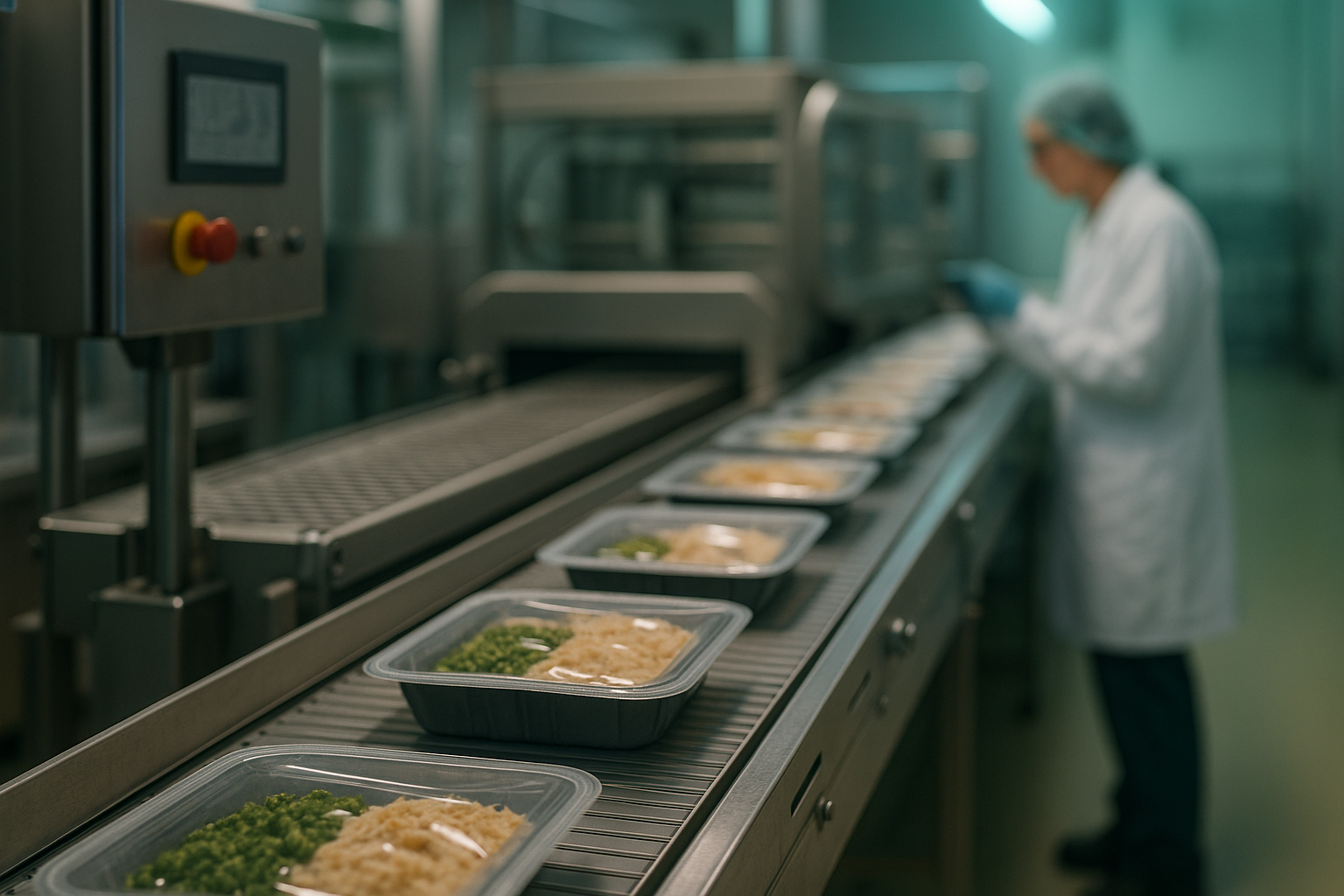
Endoline has appointed Christopher Tracey to lead engineering development work. His responsibilities cover machinery design, continuous improvement, new products, and tailored end of line automation.
-
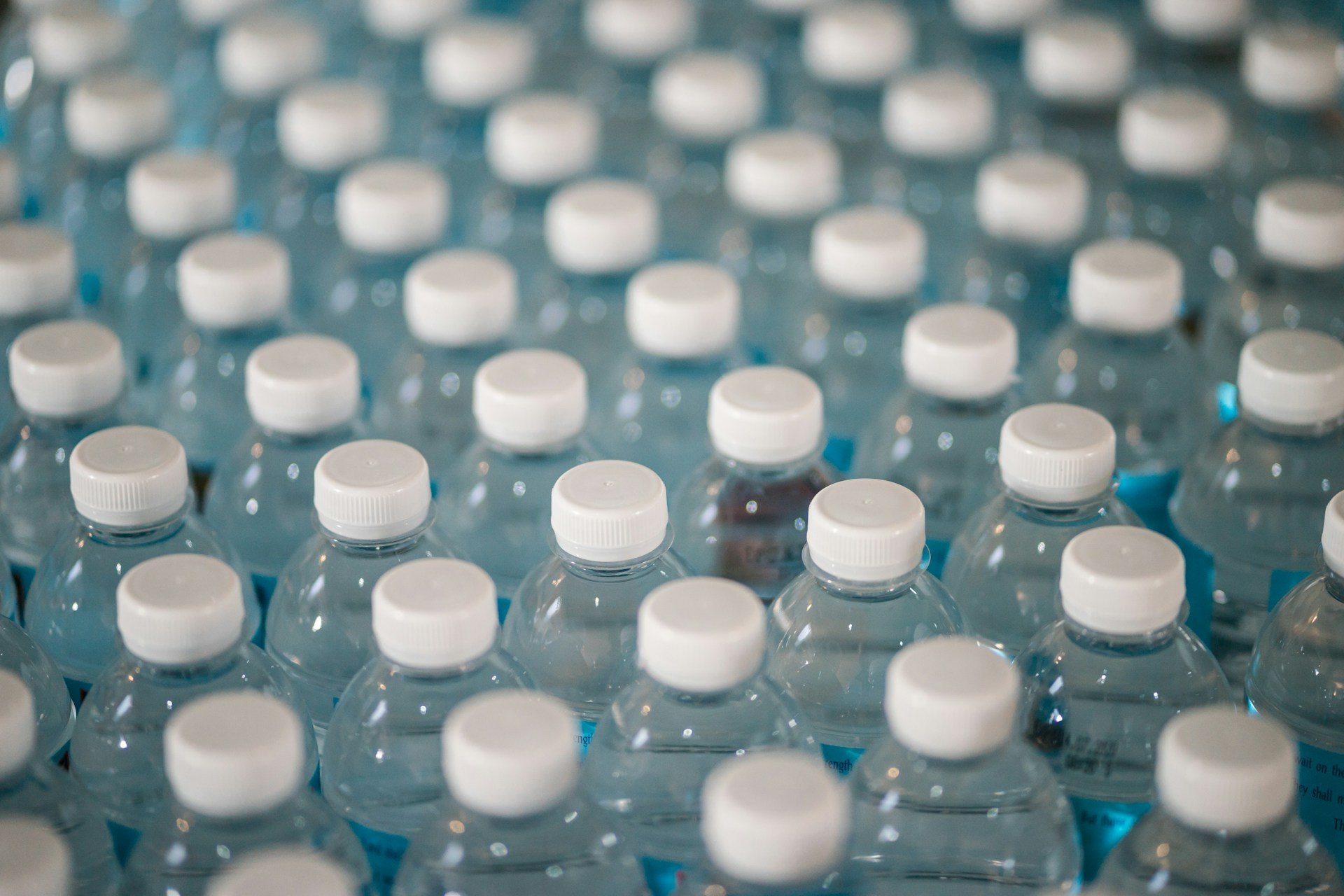
Britain’s soft drinks market reached a record £26.3bn last year. Volumes continued growing while manufacturers prepared for levy changes, deposit returns, and sustained packaging and utility costs.
-
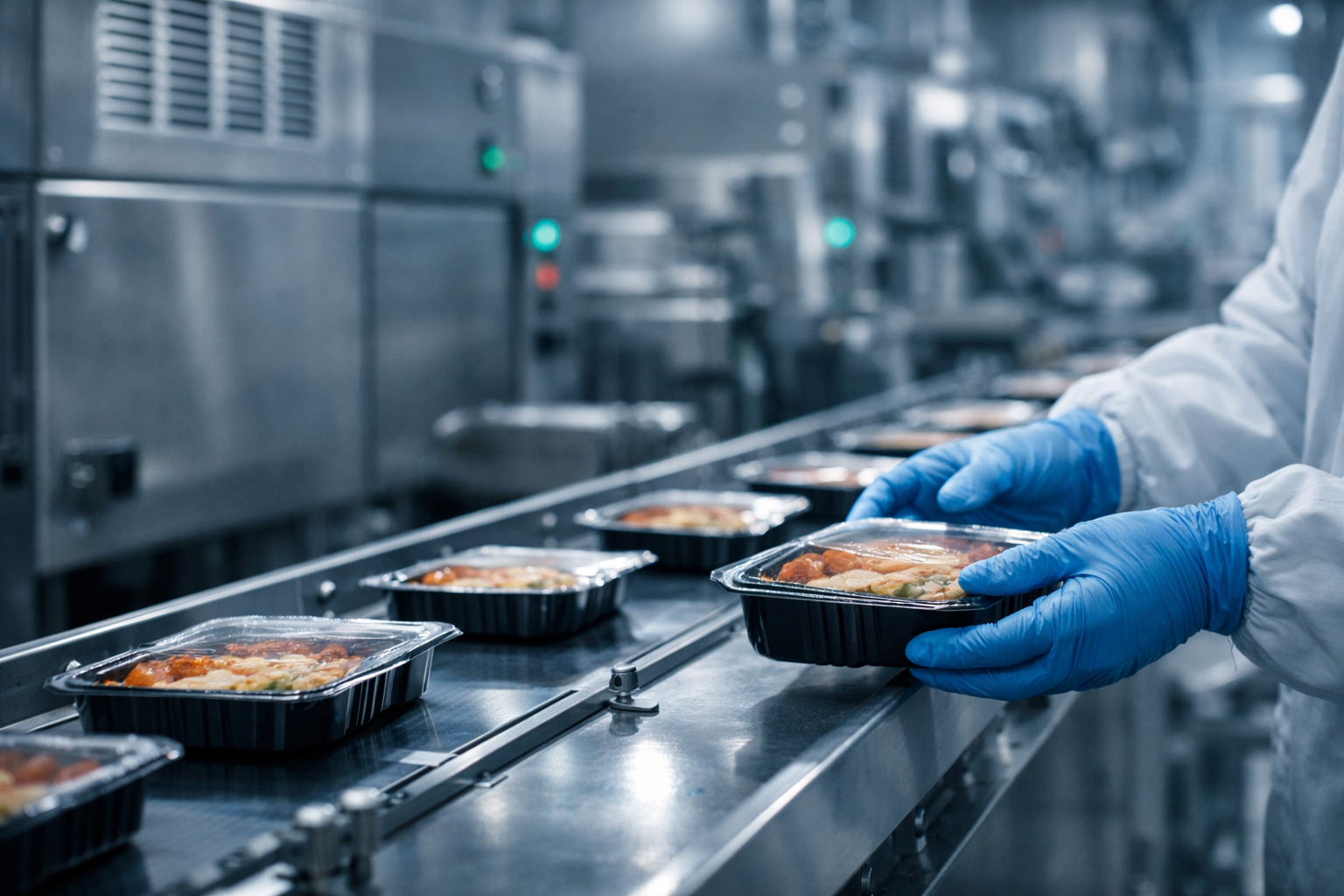
Italian food pad capacity will expand through integrated airlaid production. Magic has ordered an Andritz eXcelle line for absorbent packaging used with meat, seafood, fruit, and other moisture-sensitive foods.
-
Automated collation is reducing manual work in promotional carton production. MM Packaging can combine eight artwork variants during one high-speed run at selected British and German sites.
-
Glassmakers face a proposed global framework for measuring responsible production. The draft standard covers emissions, sourcing, water, labour, circularity, reporting, and future certification across the international glass value chain.
-
Europe’s principal BPA transition deadline has now passed for packaging. Food manufacturers must verify material composition, declarations, market destination, and remaining exemptions before placing affected articles on EU or Northern Irish markets.
-
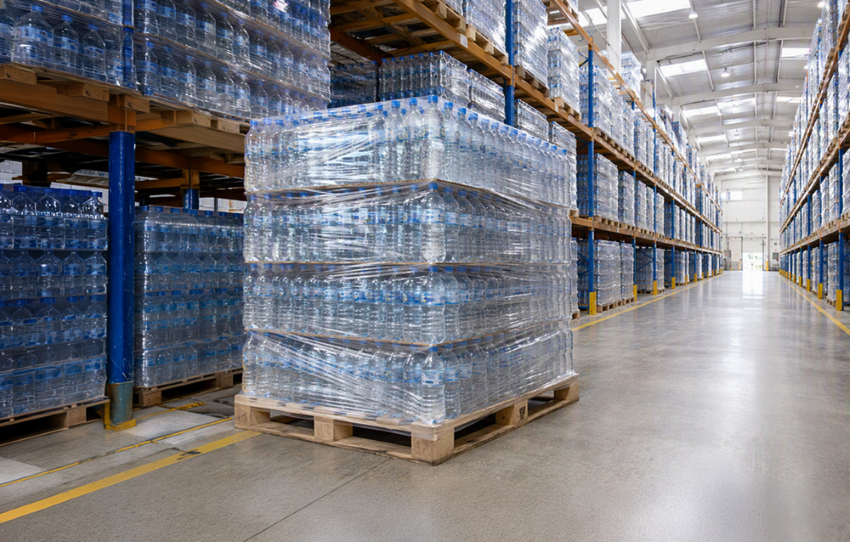
Amcor has secured RecyClass certification for selected Bontite Sustane films. Verified post-consumer content will support pallet protection and packaging-tax records when UK rules change in April 2027.
-
Germany has enacted its national framework for European packaging regulation. Most provisions will apply alongside the PPWR from 12 August 2026.
-
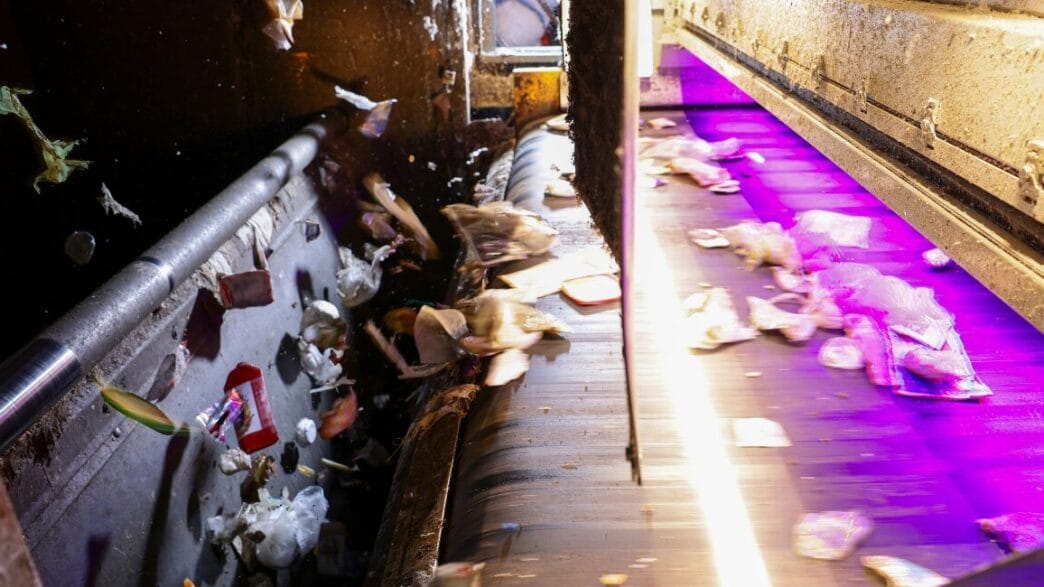
Belgium is testing digital watermarks across flexible food packaging streams. The national trial could improve separation of food contact material for higher-quality recycling.