
Category: Packaging
-
AeroFlexx and PLAFILM will expand liquid packaging access across Colombia. The partnership will qualify regional applications before supporting customer conversion and commercial launches in food and other liquid-product categories.
-
Aldi and Arla have begun tracking recycled milk bottles digitally. Invisible UV tags on wrap-around labels will record packaging at participating recovery facilities without changing visible artwork or production speed.
-
The Commission has published new PPWR questions before general application. Food packaging businesses face immediate PFAS, recyclability, documentation, and market-placement decisions from 12 August.
-
Carbios has missed its financing timetable for the Longlaville plant. Production from the planned enzymatic PET recycling facility will start later than the previously expected first half of 2028.
-
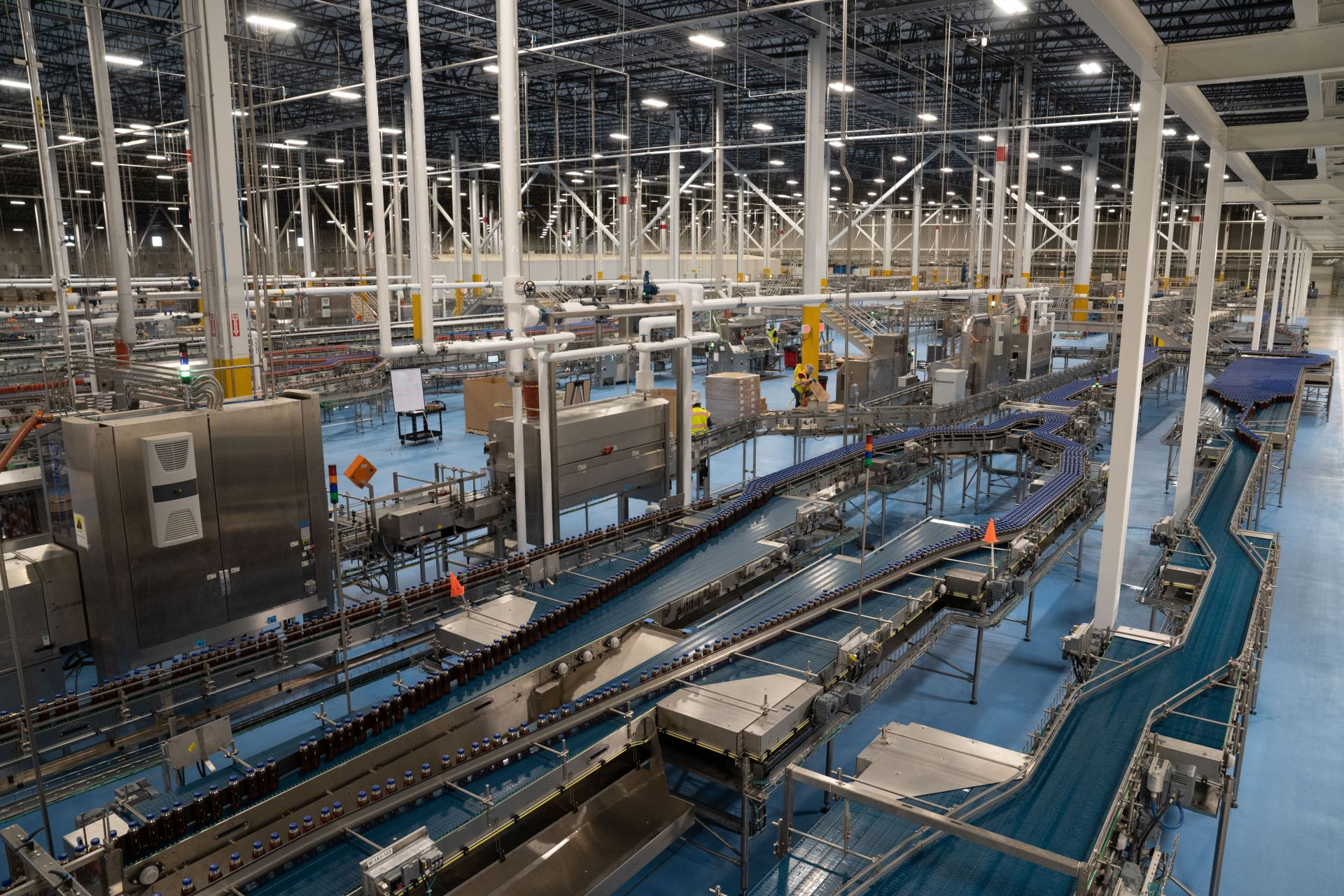
Dennis Group integrates packaging decisions with factory and warehouse design. Its approach connects equipment, conveyors, automation, utilities, material flow, and digital modelling before food production assets are installed.
-
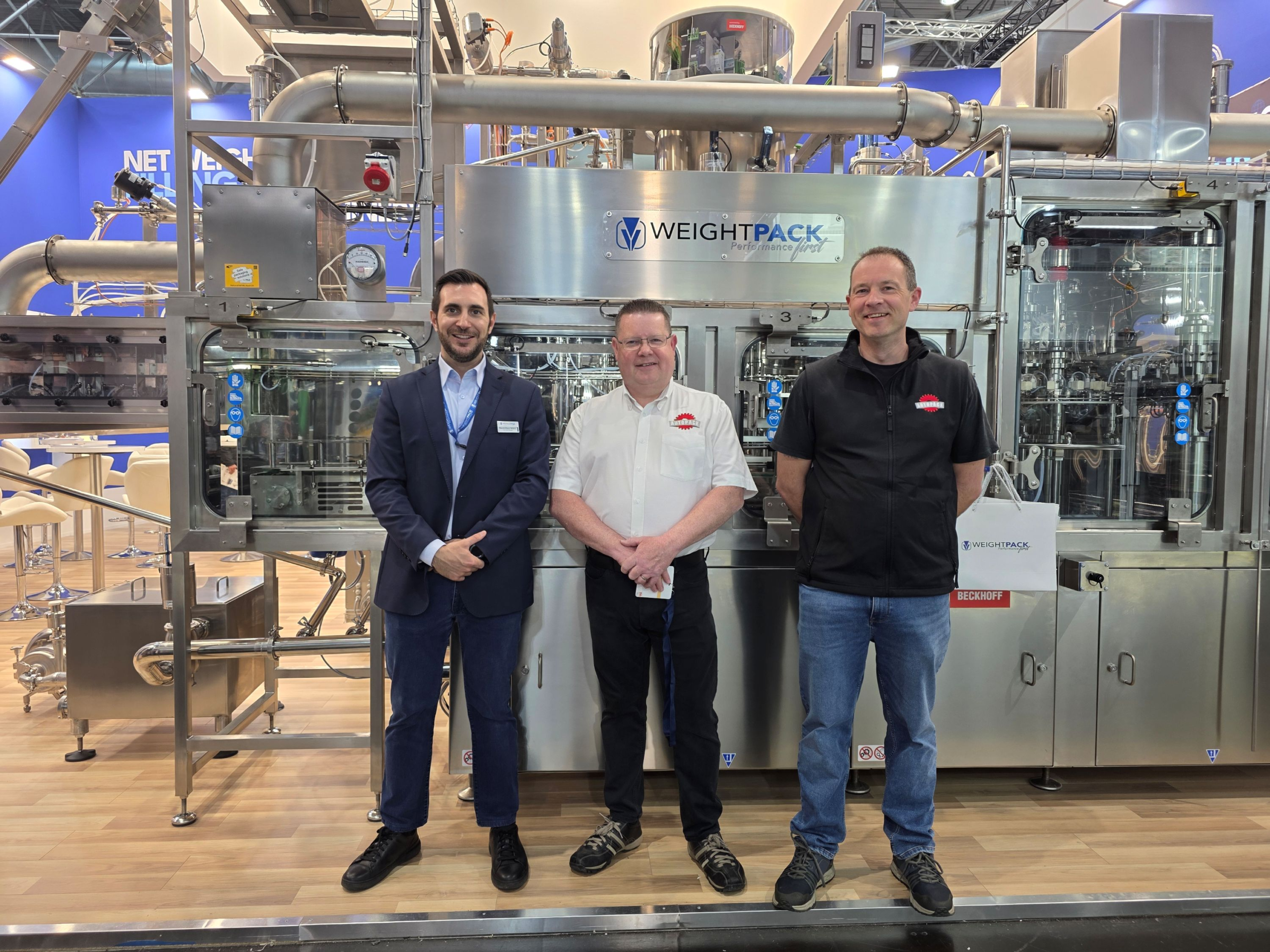
Autopack has added Weightpack filling technology to its UK portfolio. The partnership combines net weight filling and capping machinery with local integration, installation, training, maintenance, and spare parts support.
-
ExxonMobil and Bandera have developed recyclable polyethylene pet food packaging. The structure combines barrier and sealing performance with conventional blown film production, avoiding a separate machine direction orientation stage.
-

SalzburgMilch has started Europe’s first commercial SIG DomeMini production line. The aseptic platform supports seven pack sizes and several dairy, plant based, and functional beverage formats from one filling system.
-
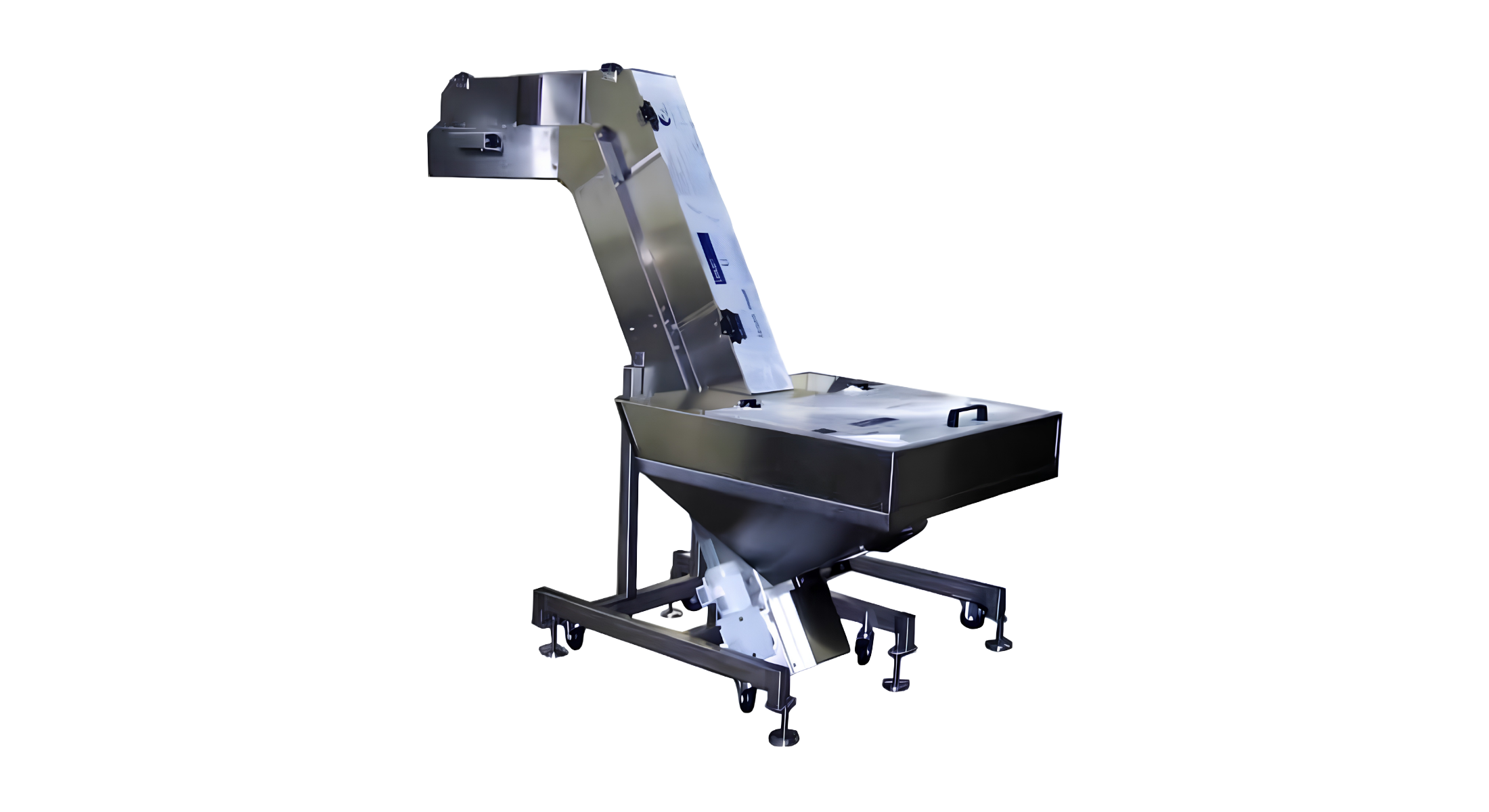
Shibuya Hoppmann is extending gentler transfer across packaging lines worldwide. Horizontal discharge prefeeders elevate bulk products while limiting impact and fitting around existing equipment.
-
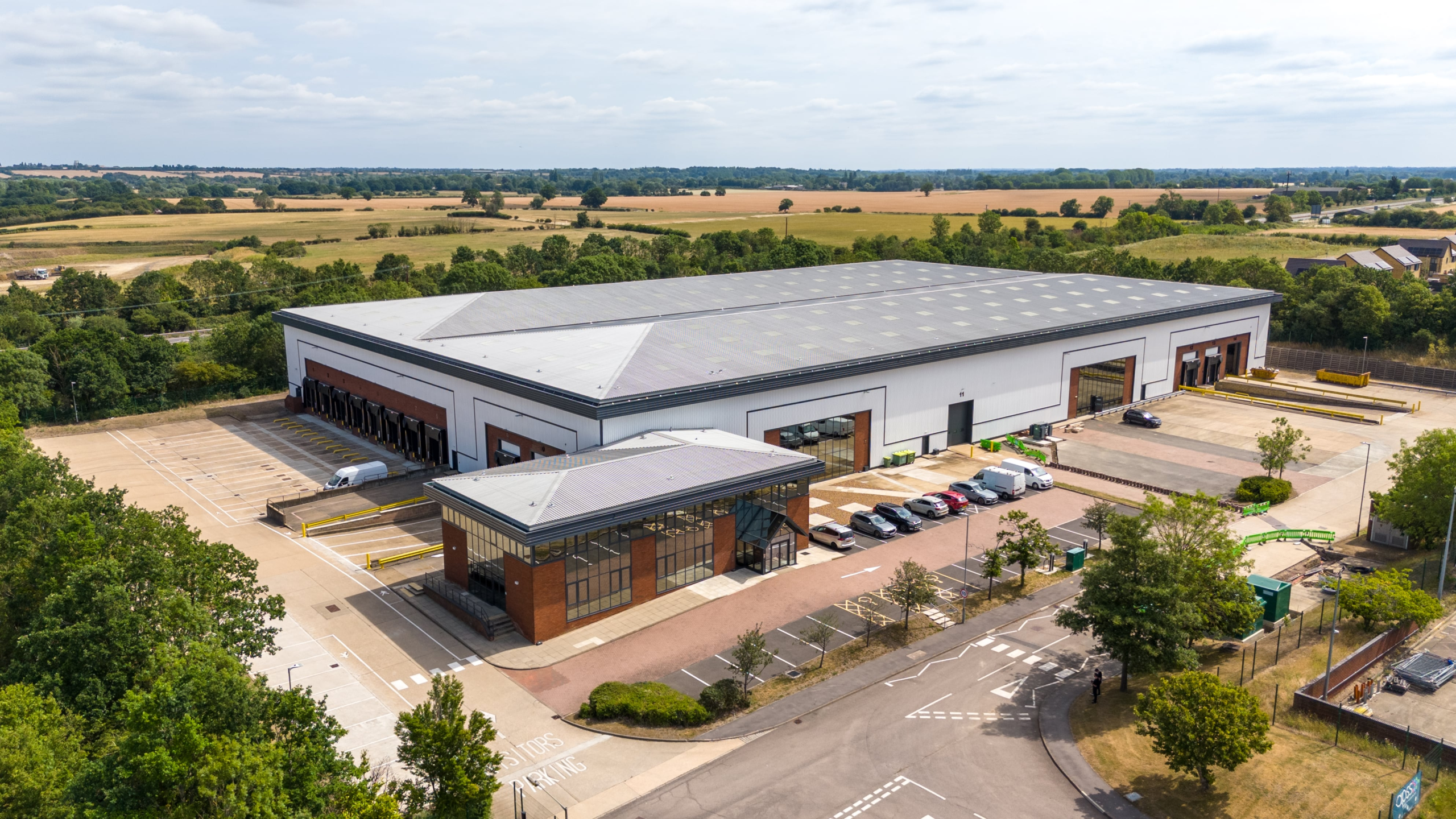
Paranova is adding substantial fibre packaging capacity in Cambridgeshire operations. A new facility will anchor investment in printing, finishing, automation, and internal logistics.