
Category: Packaging
-

India is reconsidering front-of-pack warnings after years of regulatory debate. A less conspicuous nutrient-information approach is now under consideration as manufacturers, regulators, and health groups continue to contest the final format.
-
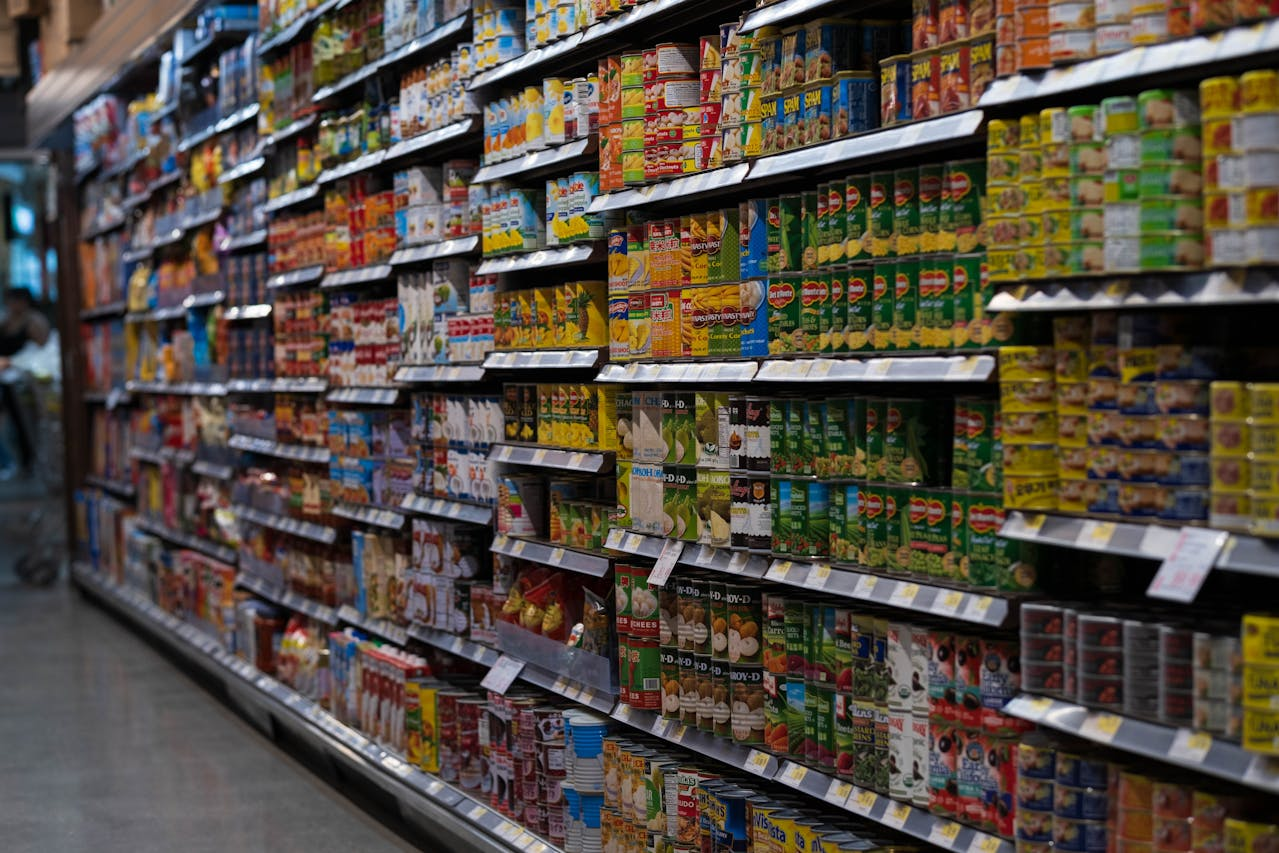
ACTEGA is expanding sealant production at its Foshan packaging site. The Chinese facility will manufacture food and beverage can grades using technology transferred from Spain alongside digital film-weight monitoring.
-
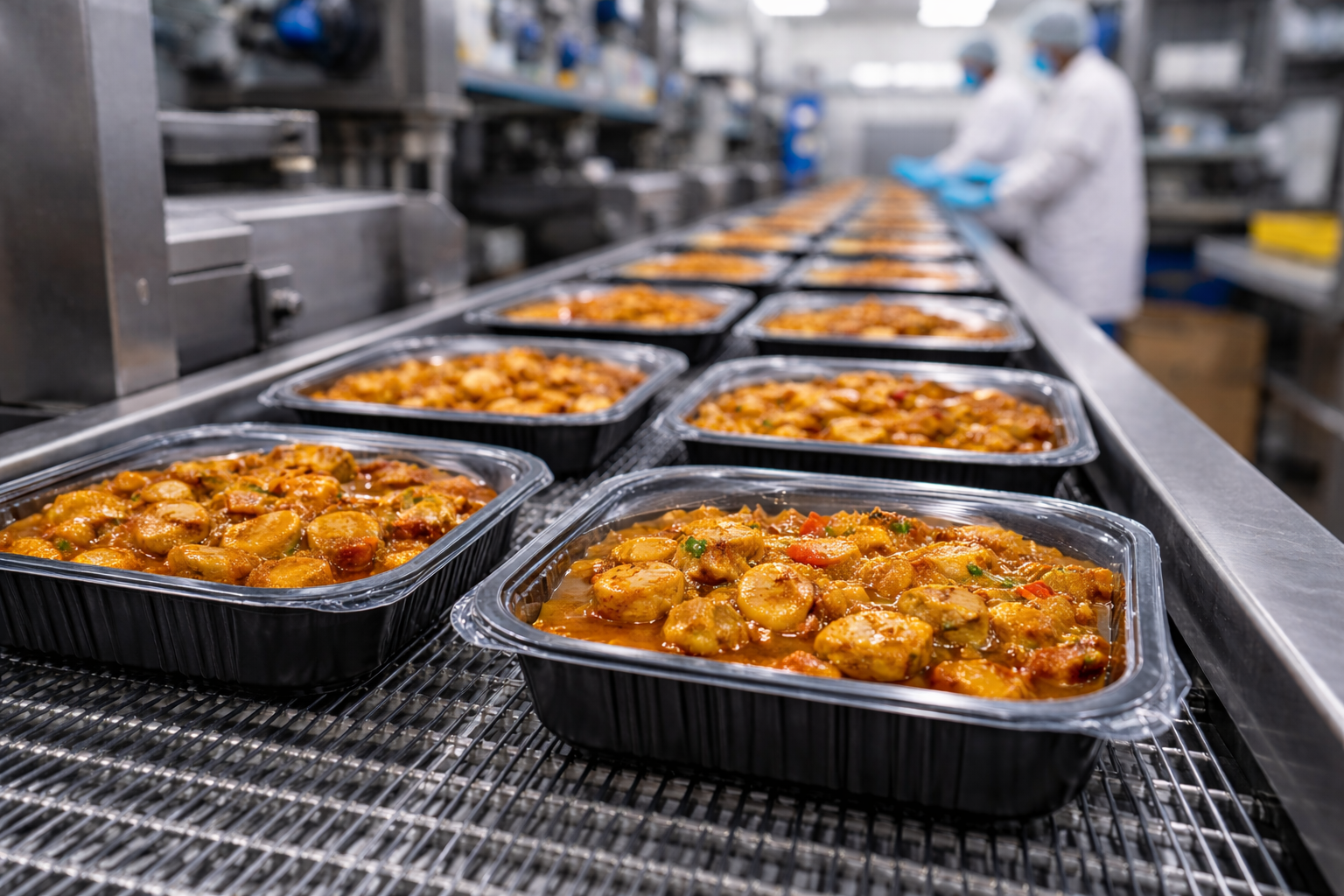
KM Packaging has launched K-Peel VPMe for recyclable tray lidding. The 55-micron barrier film seals PET, polypropylene, and polyethylene trays across microwave meals, snack packs, prepared foods, and fresh-protein applications.
-
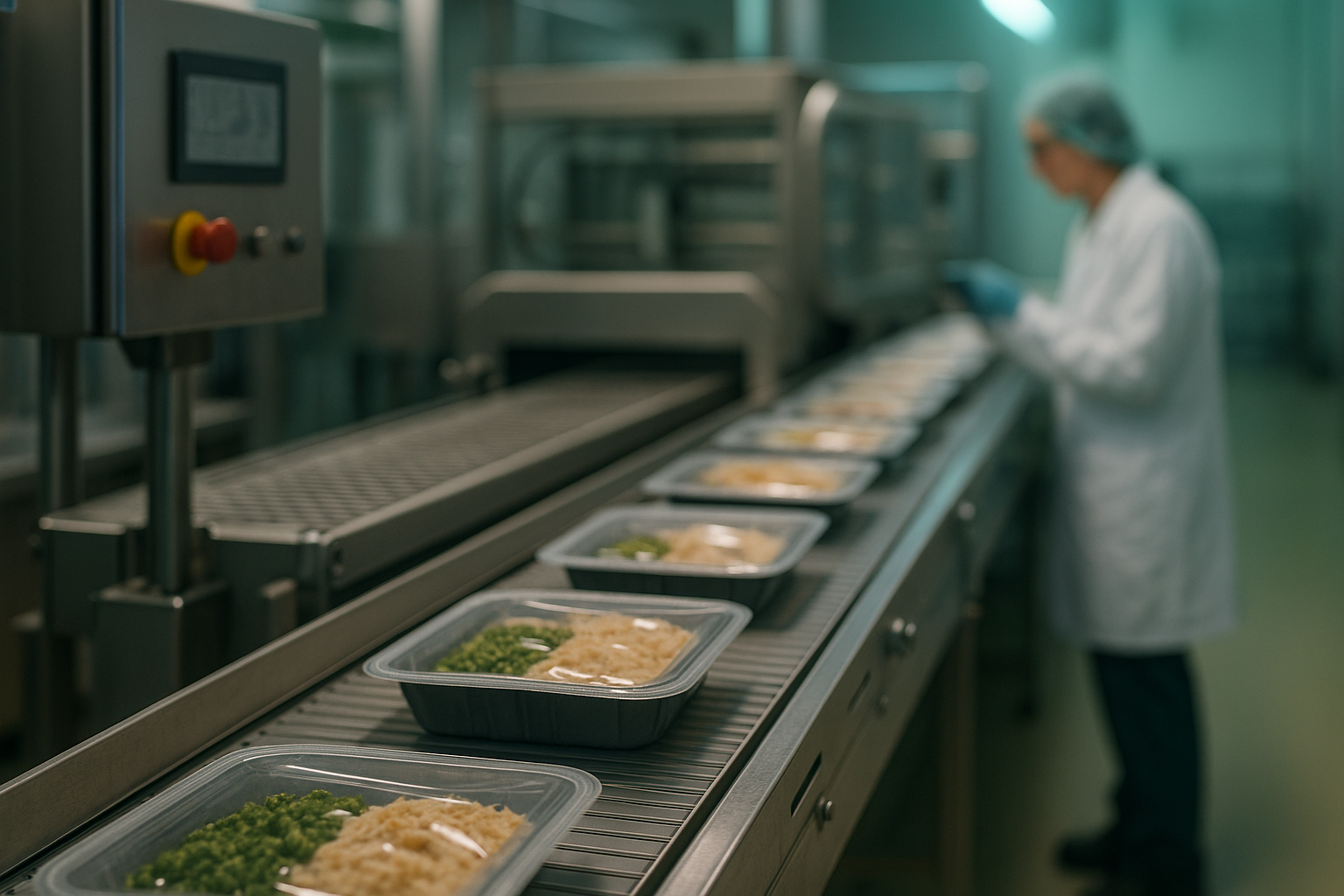
Tiptree has adopted certified 30% PCR films from Amcor UK. The shrink and stretch materials prepare Wilkin & Sons for revised Plastic Packaging Tax rules while retaining secondary-packaging and pallet-load performance.
-
Ahlstrom has expanded grease-resistant papers for North American foodservice packaging. Grease-Gard PLUS adds water holdout, while PRO targets hot-food packs requiring greater grease resistance and heat retention.
-
Sonoco will raise EMEA recycled paperboard prices €60 per tonne. The increase applies from 15 September as inflation, energy, fuel, transport, and operating costs continue to pressure regional production.
-
American Packaging has expanded tea-packaging conversion capabilities through new equipment. Electron-beam coating and precision slitting investments target aroma protection, surface performance, tighter roll tolerances, and more consistent operation on high-speed filling lines.
-
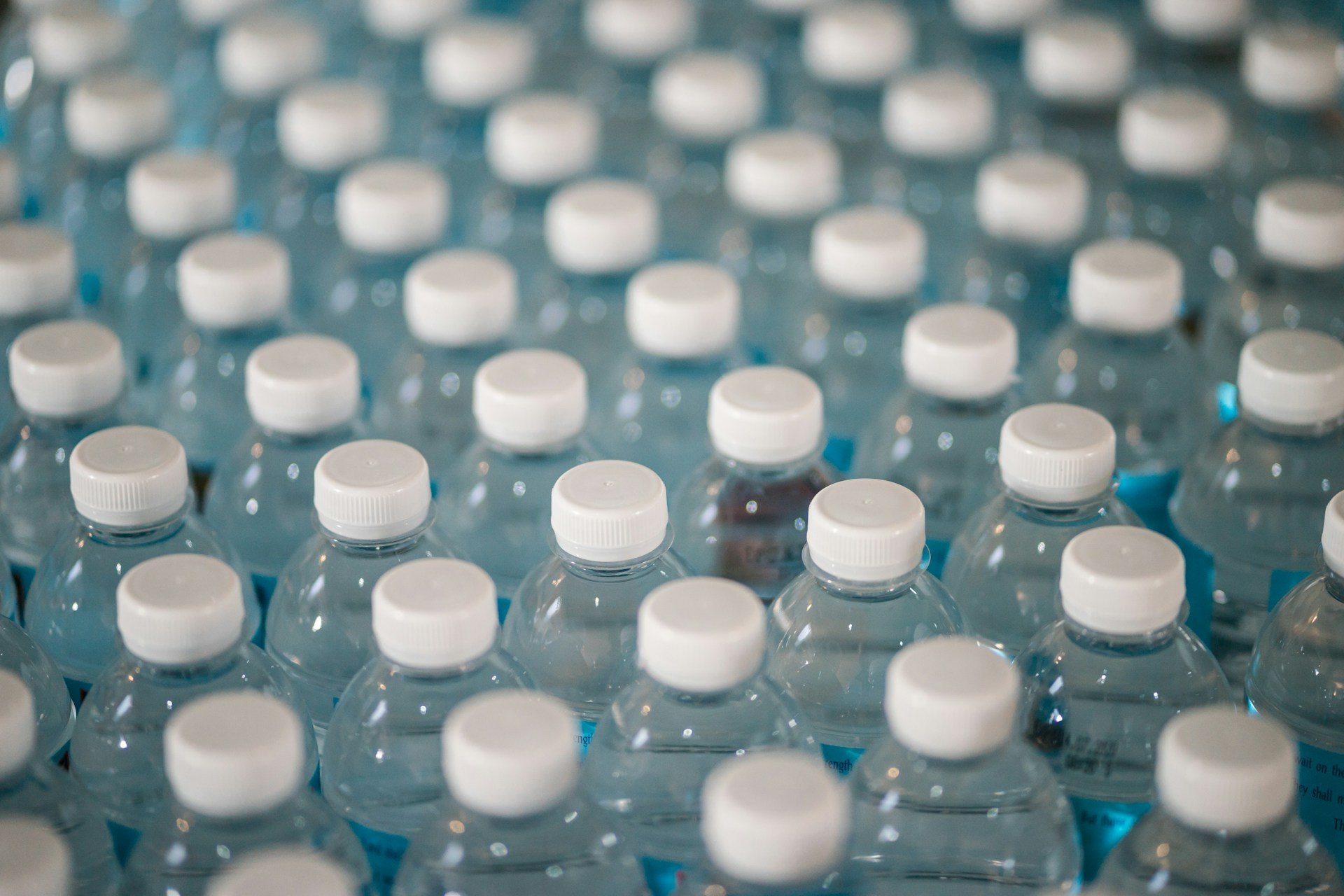
Indorama Ventures is bringing direct recycled-PET preform production to Thailand. Its partnership with Suntory and Iwatani will deploy Flake-to-Preform technology at commercial scale, with output equivalent to about 400 million bottles annually from 2028.
-
PepsiCo cut virgin plastic use across key packaging markets further. Its 2025 data also shows recycled content rising as lightweighting, material substitution, and packaging redesign continue across food and beverage formats.
-
EuPF challenges Commission stretch-film guidance under Europe’s new packaging rules. The association argues that a roll remains packaging material until the wrapping operator determines the final pallet format and amount used.