
Category: Food safety
-

Everything Sprouts has expanded its alfalfa recall amid outbreak investigations. Specified products sold under Everything Sprouts and Calco brands are linked to illnesses involving STEC and Salmonella.
-
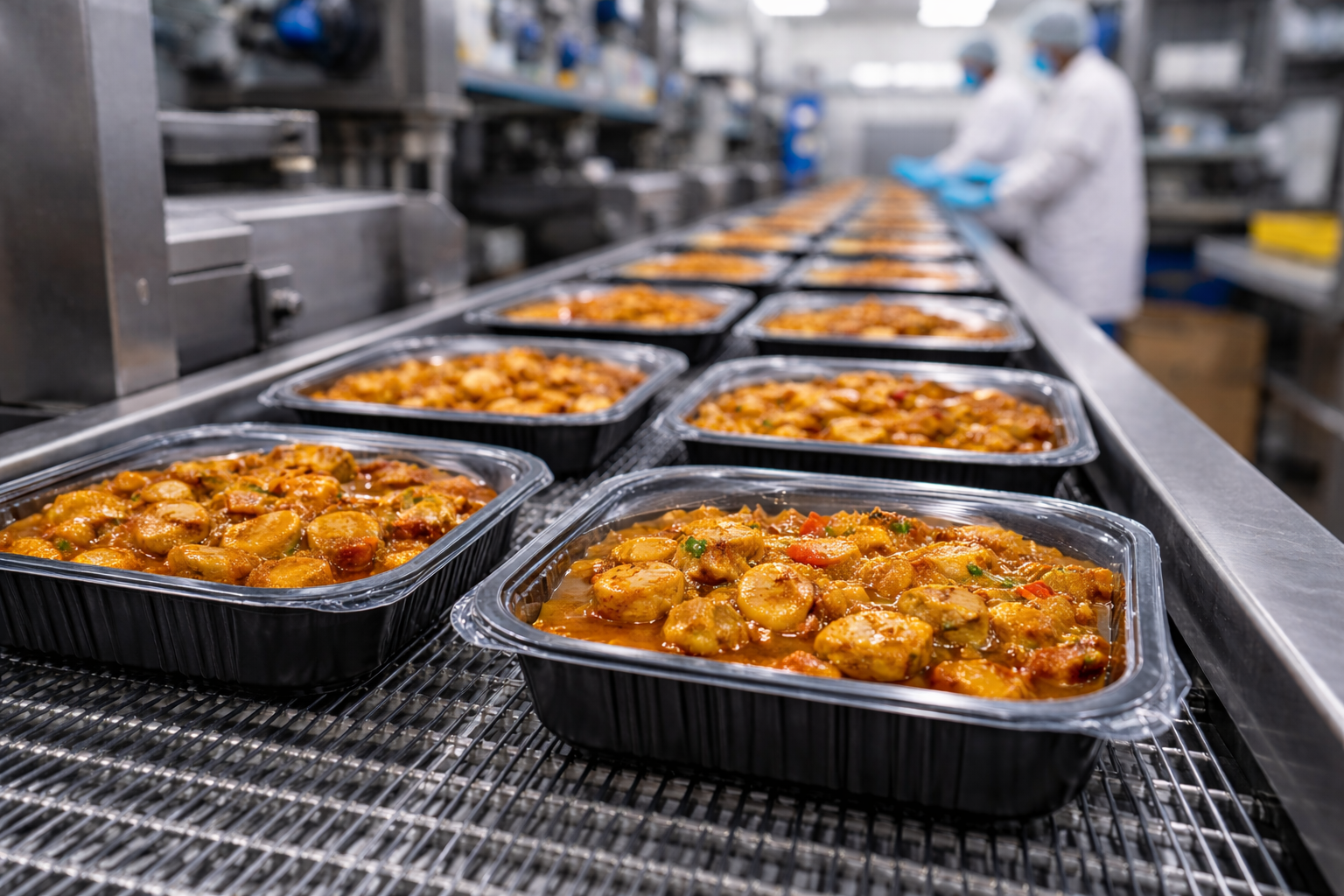
Summit Foods has recalled four wrap lines over STEC contamination. The FSA alert covers several brands and all use-by dates through 5 September 2026.
-

FSSAI enforcement is forcing food companies to revise packaging claims. Six businesses have removed “100%” wording from products or advertising after regulatory intervention over potentially misleading absolute claims.
-
Maharashtra has tightened enforcement across edible-oil manufacturing and packaging operations. The state FDA is targeting adulteration, unsealed sales, reused containers, licensing failures, and unsafe transport across the production and distribution chain.
-

US food manufacturers are accelerating reformulation away from synthetic dyes. FDA’s latest tracker shows completed and ongoing changes across cereals, snacks, dairy, confectionery, beverages, bakery, and private-label foods.
-
WECO has launched X-ray inspection technology for in-shell nut processors. Multiscan MXV-Bulk detects hidden defects, poor kernel fill, and dense foreign material that surface inspection cannot identify.
-
Diageo will reformulate several major Indian whisky and rum brands. The changes follow FSSAI action over added flavourings and will require recipe and labelling changes across affected production.
-
UK investigators are tracing a Salmonella outbreak potentially involving eggs. The 207-case cluster has caused one associated death, while authorities examine imported supply routes, food businesses, and possible cross-contamination events.
-
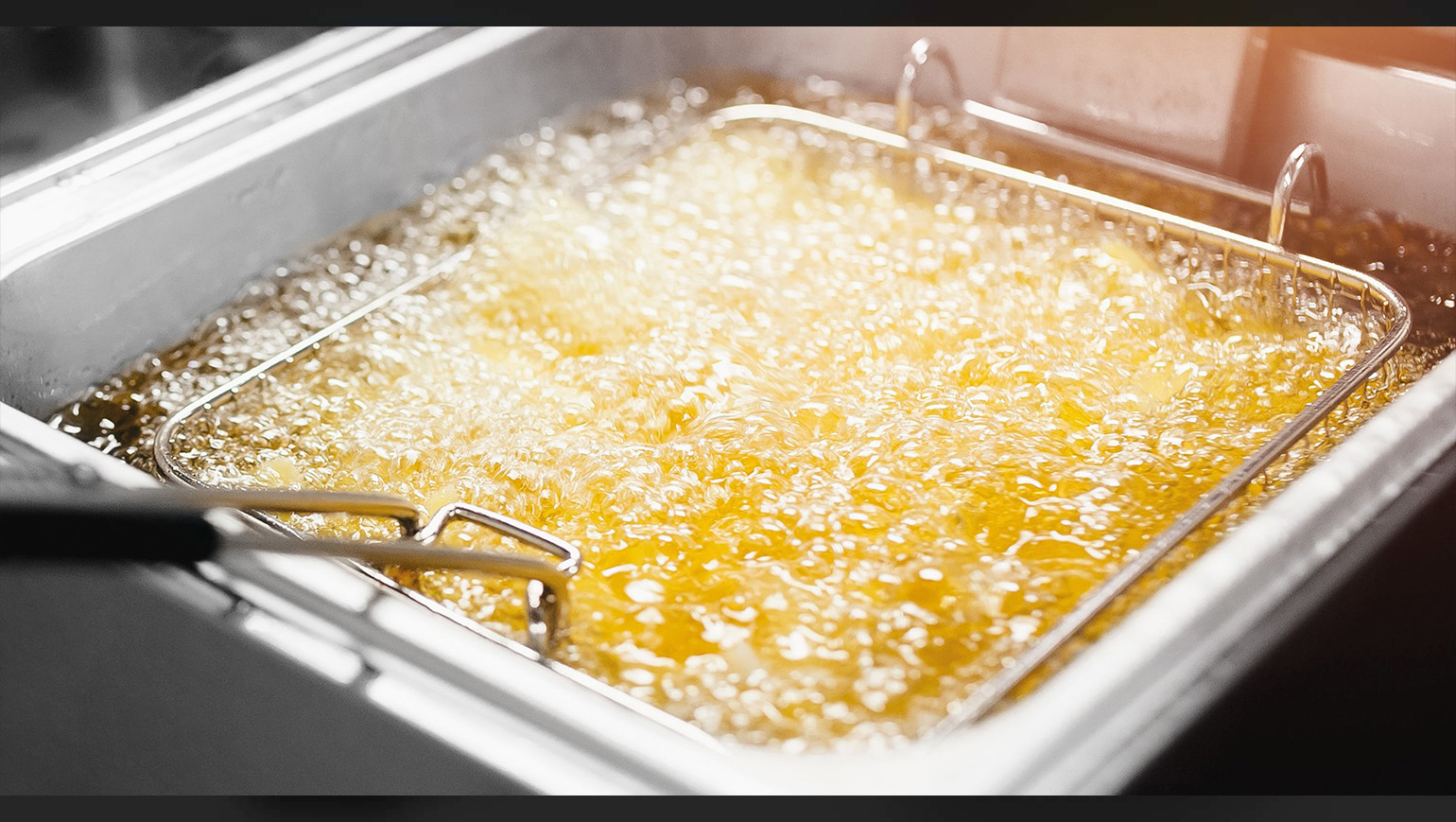
Testo is positioning objective oil testing around consistent frying quality. Its 270 BT measures total polar materials in hot oil and transfers readings to the Smart App for documented process control.
-

Kyushu researchers developed smart packaging that visibly tracks meat spoilage. The experimental hydrogel also repairs cuts while stabilising a natural colour indicator against environmental degradation.