IN Brief:
- DNP states that the PET cup body provides 25% higher oxygen barrier performance than its existing products.
- The body contains 10% recycled PET and is designed to tolerate conditions used during aseptic filling and labelling.
- Commercial supply is planned from 2027 through a collaboration with Toyo Beverage.
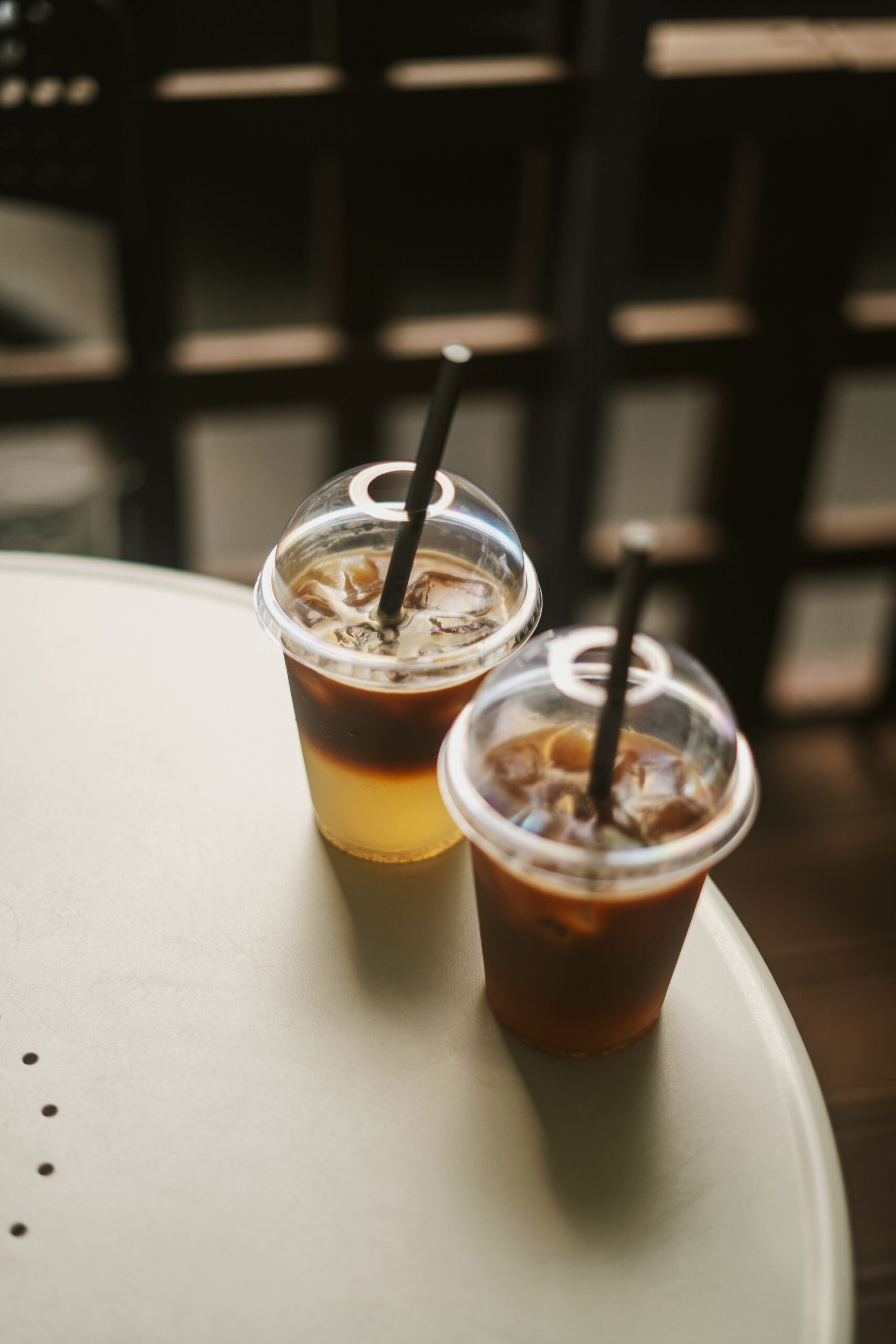
Dai Nippon Printing has developed a PET cup for aseptic filling of chilled beverages, combining higher oxygen barrier performance with recycled resin content and a container structure designed to withstand the filling and labelling process.
The Japanese packaging group plans to begin supplying beverages using the system in 2027 through a collaboration with Toyo Beverage. The development brings the cup, aseptic filling technology, and associated production requirements together rather than treating the container as a standalone material change.
DNP states that the PET body provides 25% higher oxygen barrier performance than its existing products. The company says this helps limit deterioration of the beverage during storage, while internal testing indicates that the combined packaging and filling system can extend the commercial life of chilled drinks.
Oxygen transmission can affect flavour, aroma, colour, and other quality characteristics, depending on the formulation. The degree of protection required varies considerably between coffee, dairy drinks, functional beverages, juices, and other chilled products, so the 25% figure is a material property rather than a universal shelf-life extension.
DNP has not published a single additional shelf-life period applicable to every beverage. Commercial adoption will therefore require product-specific validation, including the effect of ingredients, acidity, viscosity, processing conditions, distribution temperature, and target storage time.
The container is designed to operate with DNP’s aseptic filling technology. That requires the package to tolerate the conditions used during sterilisation, filling, and labelling while maintaining the dimensions and sealing performance required by the production line.
Aseptic processing relies on controlling the product, package, closure or lidding material, and filling environment as one system. A package with strong barrier properties does not provide the intended result if contamination is introduced during filling or if seal integrity deteriorates later in distribution.
For chilled beverages, extending life does not necessarily mean converting the product into an ambient format. A longer refrigerated commercial window can still change factory and distribution economics by giving manufacturers more time to move finished goods through warehouses, transport networks, and retail outlets.
That flexibility can reduce the proportion of product written off because it reaches customers too close to expiry. It can also increase the geographical area that can be served from one filling operation where transport time previously consumed too much of the available shelf life.
The cup body contains 10% recycled PET. DNP is using recycled material to reduce the amount of virgin resin required while retaining the transparency, barrier performance, and process compatibility expected from the package.
Recycled PET creates its own production requirements. Material quality, colour, contamination control, viscosity, processing behaviour, and consistency between lots all influence how the resin performs during forming and later handling.
The initial 10% recycled content therefore sits alongside rather than above the functional requirements of the container. Increasing recycled material would provide little benefit if it reduced line performance, barrier properties, or package reliability enough to increase beverage waste.
Food loss is particularly relevant when evaluating packaging because the product normally carries a larger processing burden than the container alone. Ingredients, water, heating, cooling, filling, refrigeration, transport, and retail storage have already consumed resources before an expired beverage is discarded.
A longer useful life can consequently offset part of the environmental and financial cost of a more technically demanding package if it genuinely reduces write-offs. The balance has to be measured against the material and energy required by the complete packaging system rather than inferred from recycled content alone.
DNP developed the cup after a request from Toyo Beverage for a PET cup format. The company combined cup moulding, recycled PET use, and aseptic filling technology to produce a package intended for commercial rather than purely laboratory use.
That integration matters because cup geometry has to remain compatible with the rest of the line. Containers need to feed reliably, tolerate sterilisation, fill accurately, accept lidding material, survive labelling, transfer through conveyors, and pack without deformation.
Changes to wall structure or thermal behaviour can create production problems even when the package performs well in barrier testing. A cup that softens or changes dimension during a processing step can interfere with sealing or downstream handling long before the beverage reaches shelf-life evaluation.
DNP’s wider aseptic PET cup programme includes package and production-line support, with the company supplying container components and related filling technology rather than offering contract beverage filling itself. That places responsibility for the solution across packaging and machinery rather than one material specification.
The company says longer product life can improve inventory flexibility and support distribution into areas that were previously difficult to serve. For beverage manufacturers, that can change batch planning by allowing larger production runs to be spread across a wider sales window.
Larger runs can improve equipment utilisation where demand is sufficiently predictable, but they also increase the amount of finished stock exposed if forecasts are wrong. Shelf-life extension provides more time to correct that imbalance; it does not remove the need for accurate demand planning.
DNP aims for cumulative sales of ¥1.6 billion by the 2027 financial year from the new container and related aseptic filling systems. It also plans further work on higher barrier performance tailored to different beverage characteristics.
The industrial test begins when the package reaches sustained commercial filling. Oxygen protection, seal quality, recycled-material consistency, reject rates, throughput, cleaning, sterilisation, and refrigerated distribution all have to remain stable enough for the claimed shelf-life benefit to translate into lower waste and greater market reach.
The cup therefore represents more than a switch from one plastic structure to another. DNP is attempting to alter the relationship between package barrier, aseptic processing, chilled storage, and distribution time, with the value of the system depending on how those elements perform together under commercial production conditions.