
Category: Ingredients
-
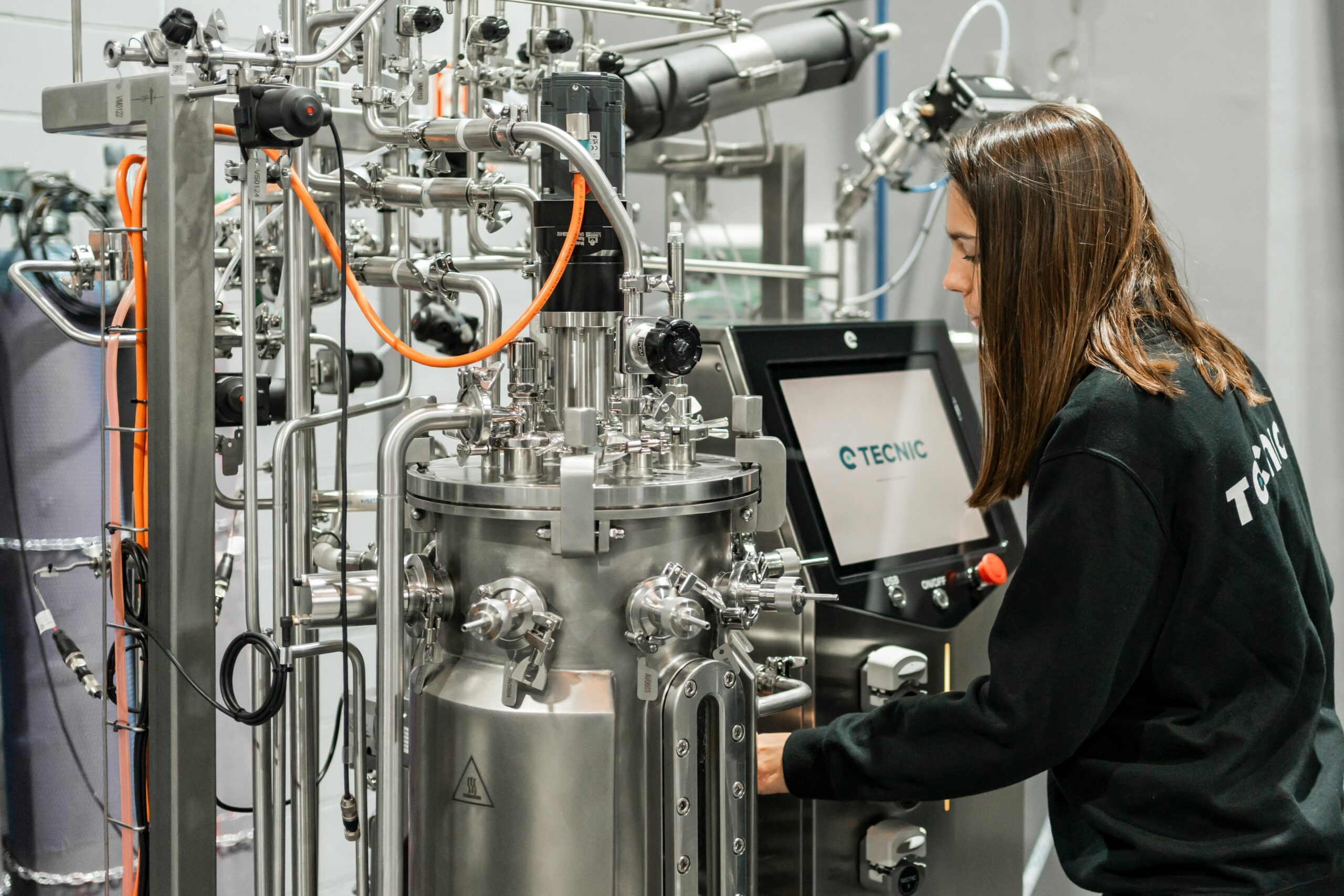
Amai Proteins has secured Israeli approval for sweet protein sweelin. The clearance covers more than 25 food and beverage categories and expands the precision-fermented ingredient’s regulatory reach.
-
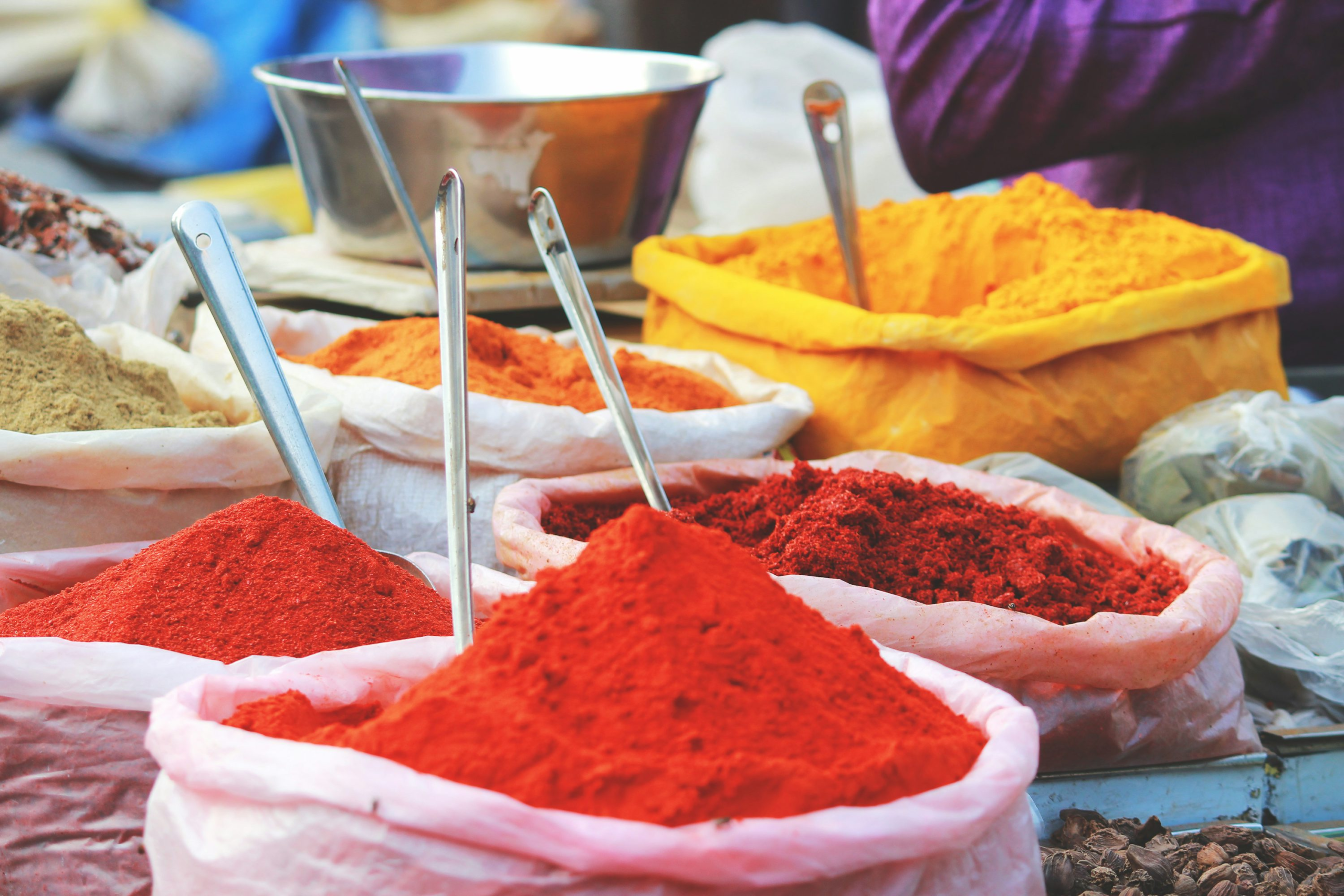
California Natural Color is tripling production capacity at Fresno operations. The expansion will increase output of natural colours and grape seed extract as manufacturers and retailers accelerate moves away from synthetic food dyes.
-
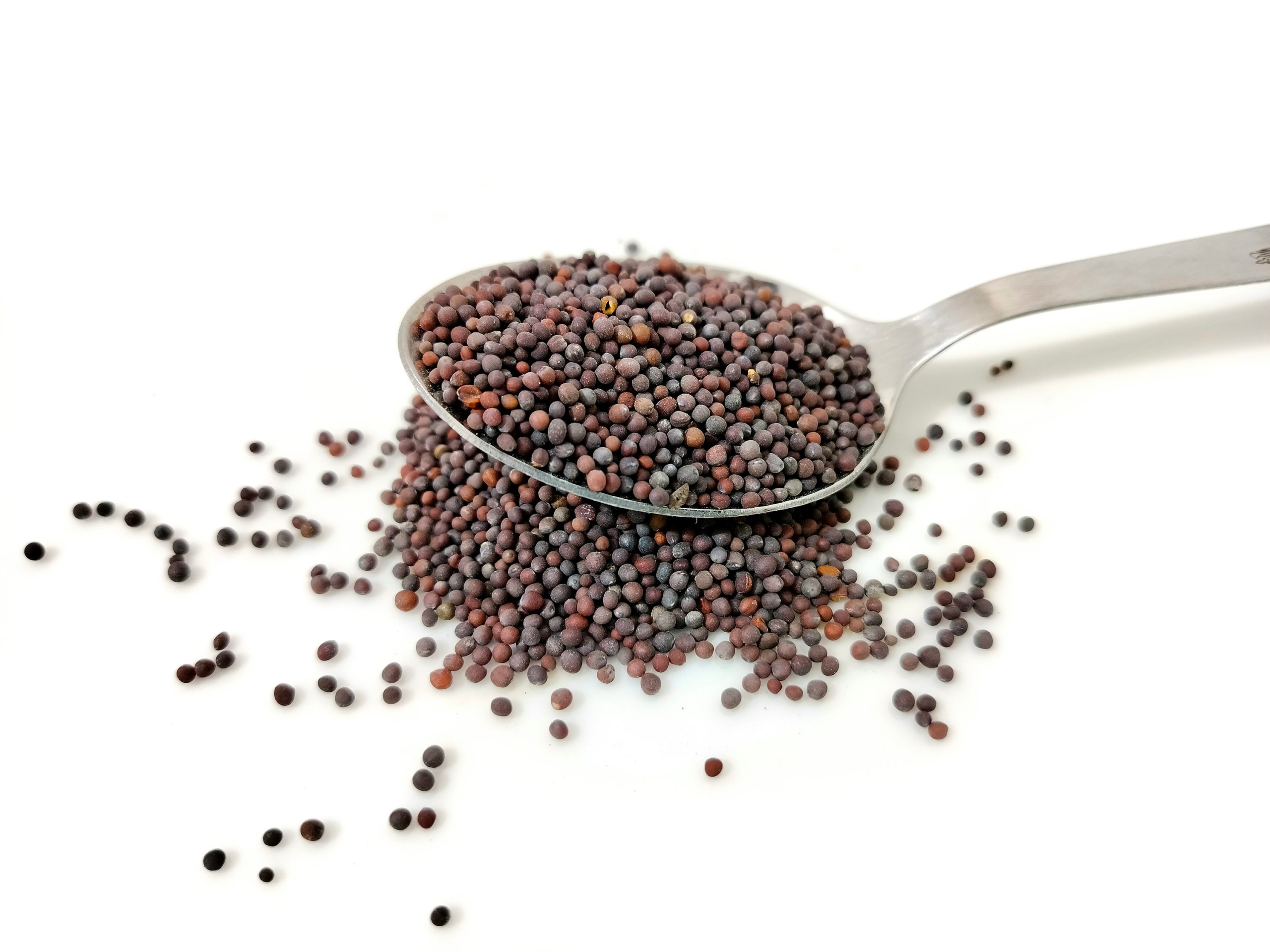
Unilever is marketing Colman’s as McCormick combination regulatory scrutiny continues. The proposed disposal is intended to address potential mustard-market competition concerns while the wider food transaction remains subject to regulatory approval.
-
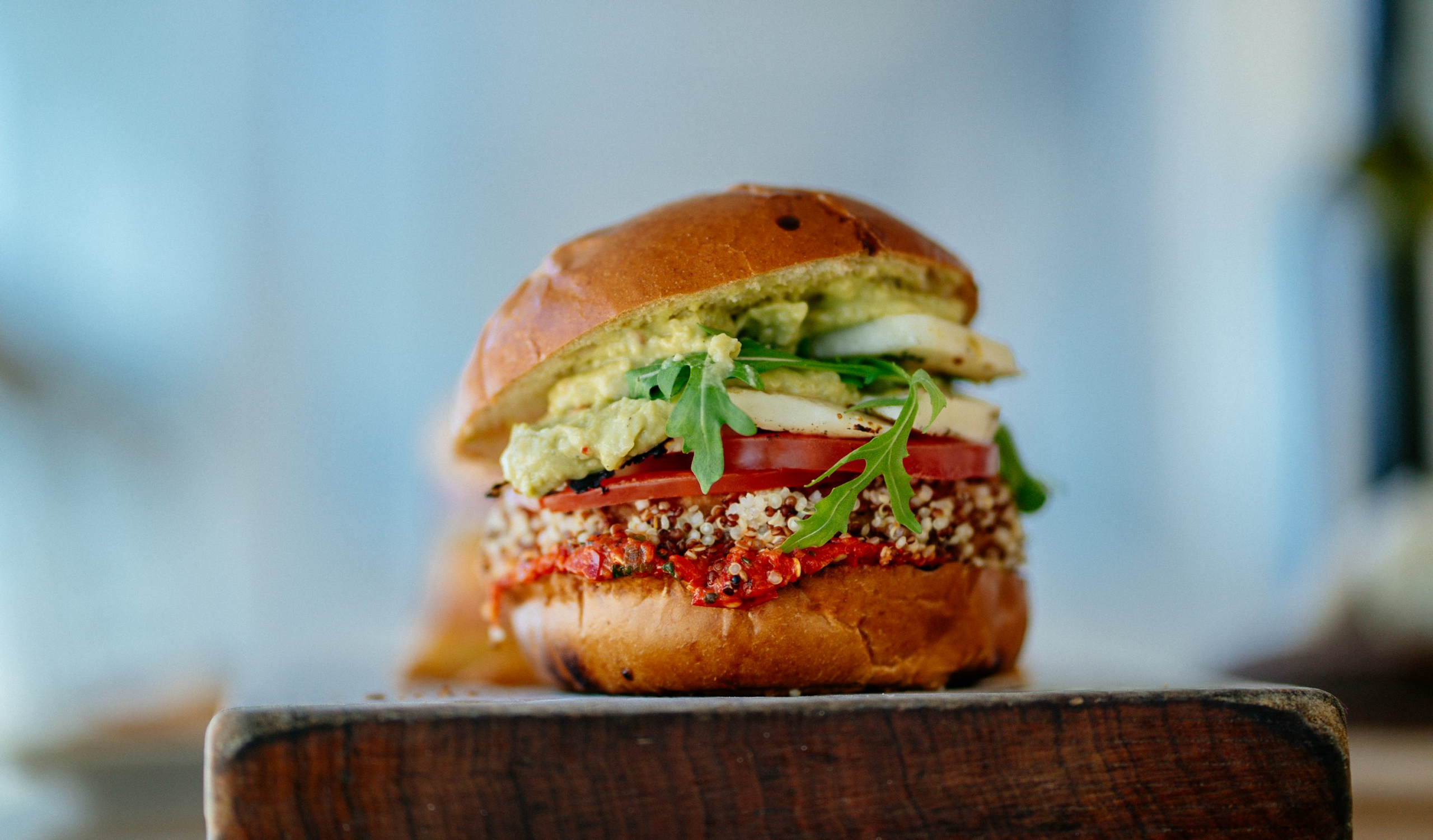
EU lawmakers are reopening plant-based naming restrictions ahead of September. Proposed amendments would add terms including burger, sausage, and nugget to a protected list only weeks after narrower rules entered into force.
-
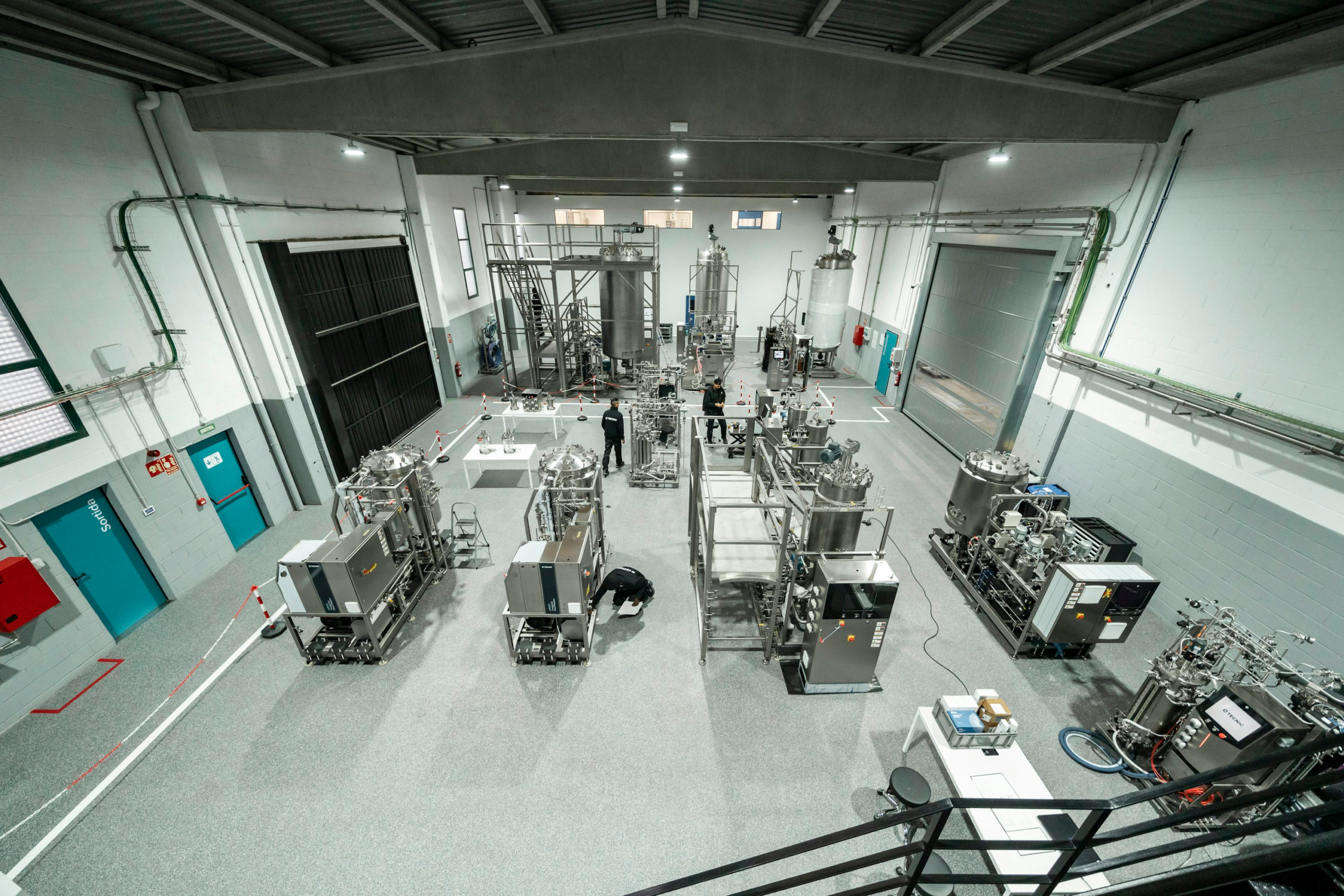
European alternative-protein companies raised €236 million during 2026’s first half. Fermentation attracted most of the capital as investors concentrated money into fewer deals and scale-up financing became increasingly dependent on blended funding.
-
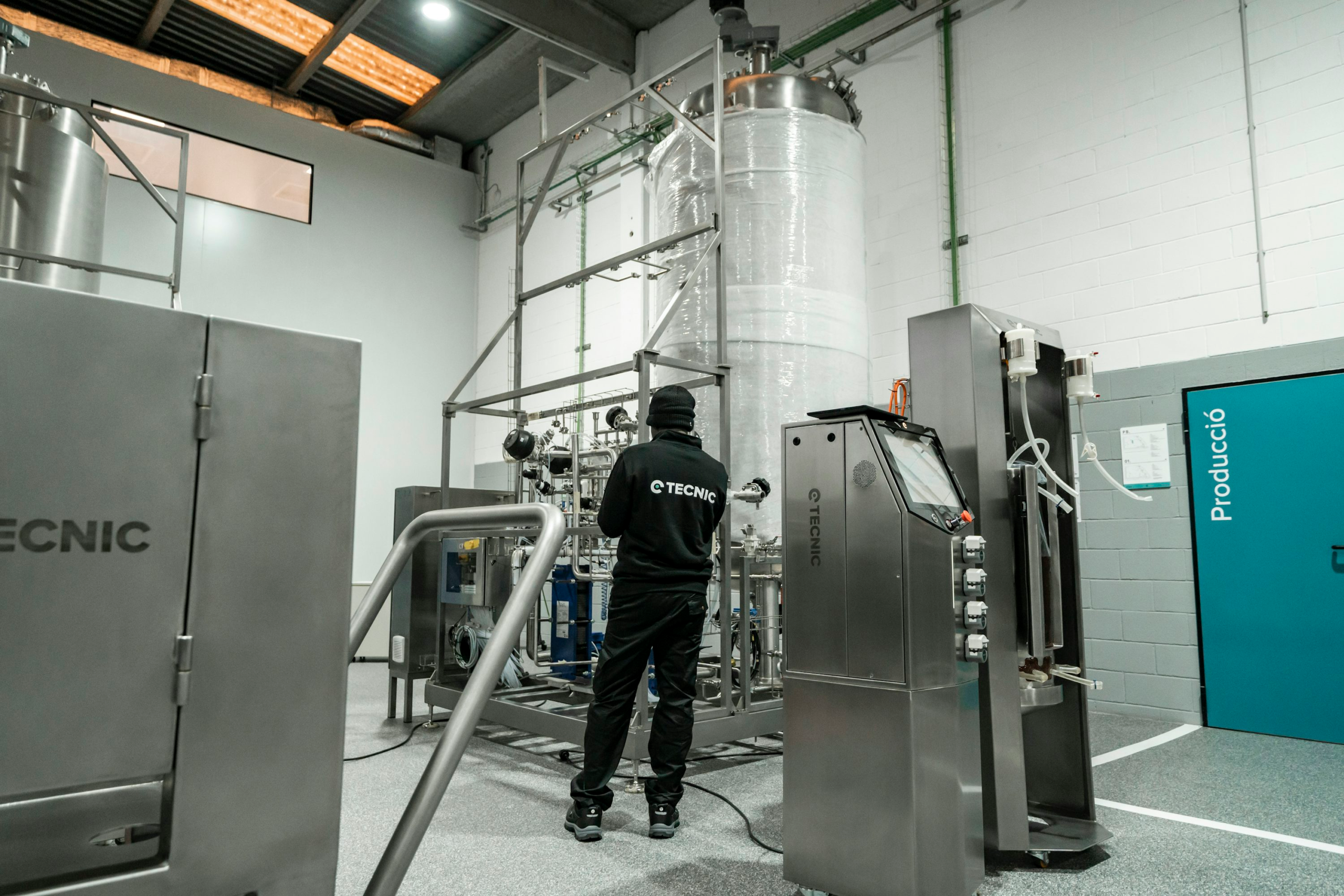
NEOXY has passed 1,000 tonnes of cumulative bio-based acid production. AFYREN is now trying to sustain higher utilisation after its July restart while targeting another doubling of plant revenue during the second half.
-

General Mills has completed certified-colour removal across all US cereals. The programme moves major brands onto alternative colour systems while the remaining retail portfolio follows by the end of 2027.
-

ADM plans a $55.5 million Clinton precision-fermentation facility conversion project. Separation, purification, drying, and packaging equipment will support larger-scale production of proteins, enzymes, and other high-value biobased products at the Iowa complex.
-
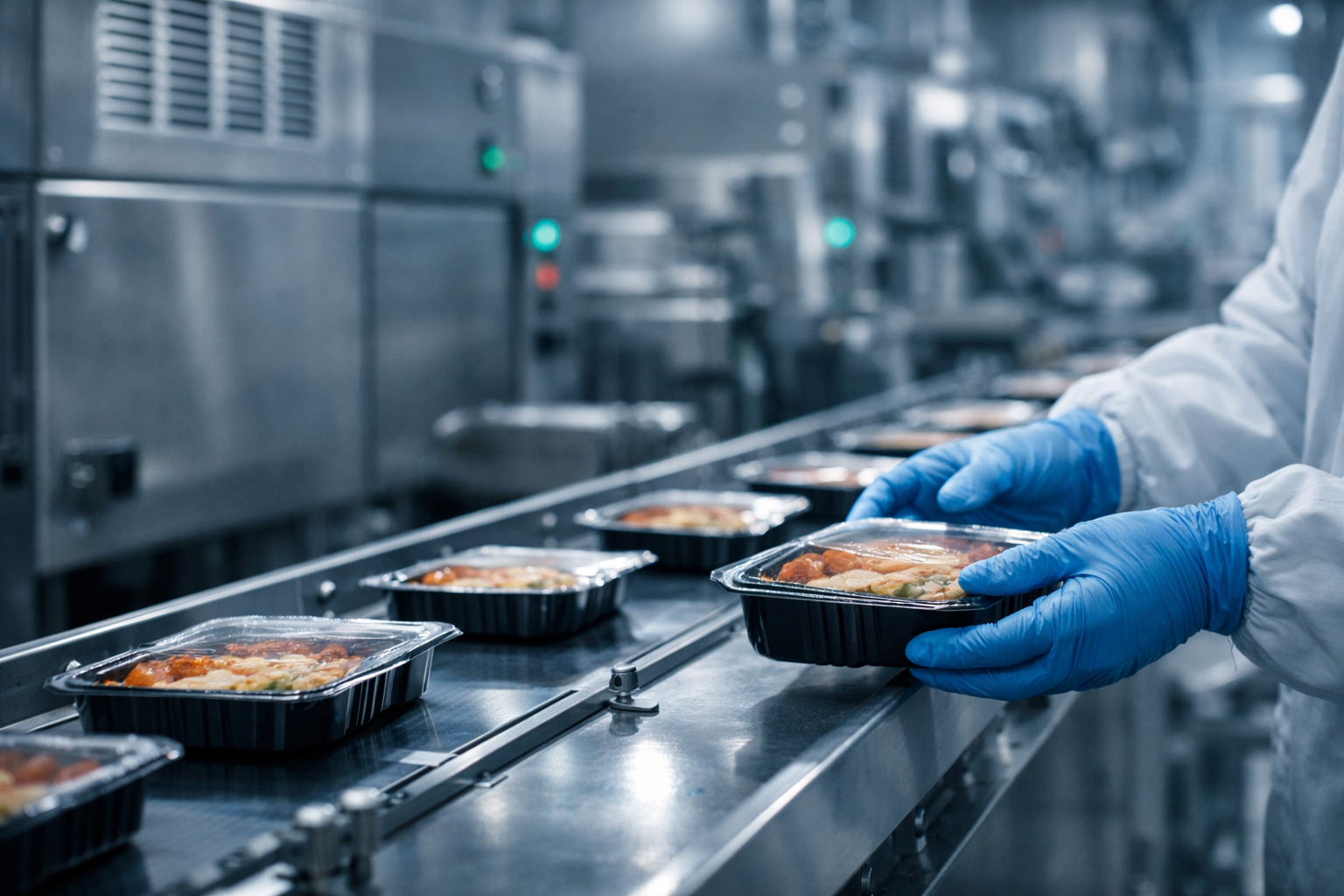
ÄIO and TFTAK secured funding for automated microbial oil development. DigiFoundry 2.0 will integrate strain engineering, process control, automation, and data to lower microbial oil development and manufacturing costs.
-
MAASH has secured new funding for French industrial mycoprotein production. The €12.15 million package will support a 12 m³ demonstration plant and preparation for annual output of 10,000 tonnes.