
Category: Topics
-
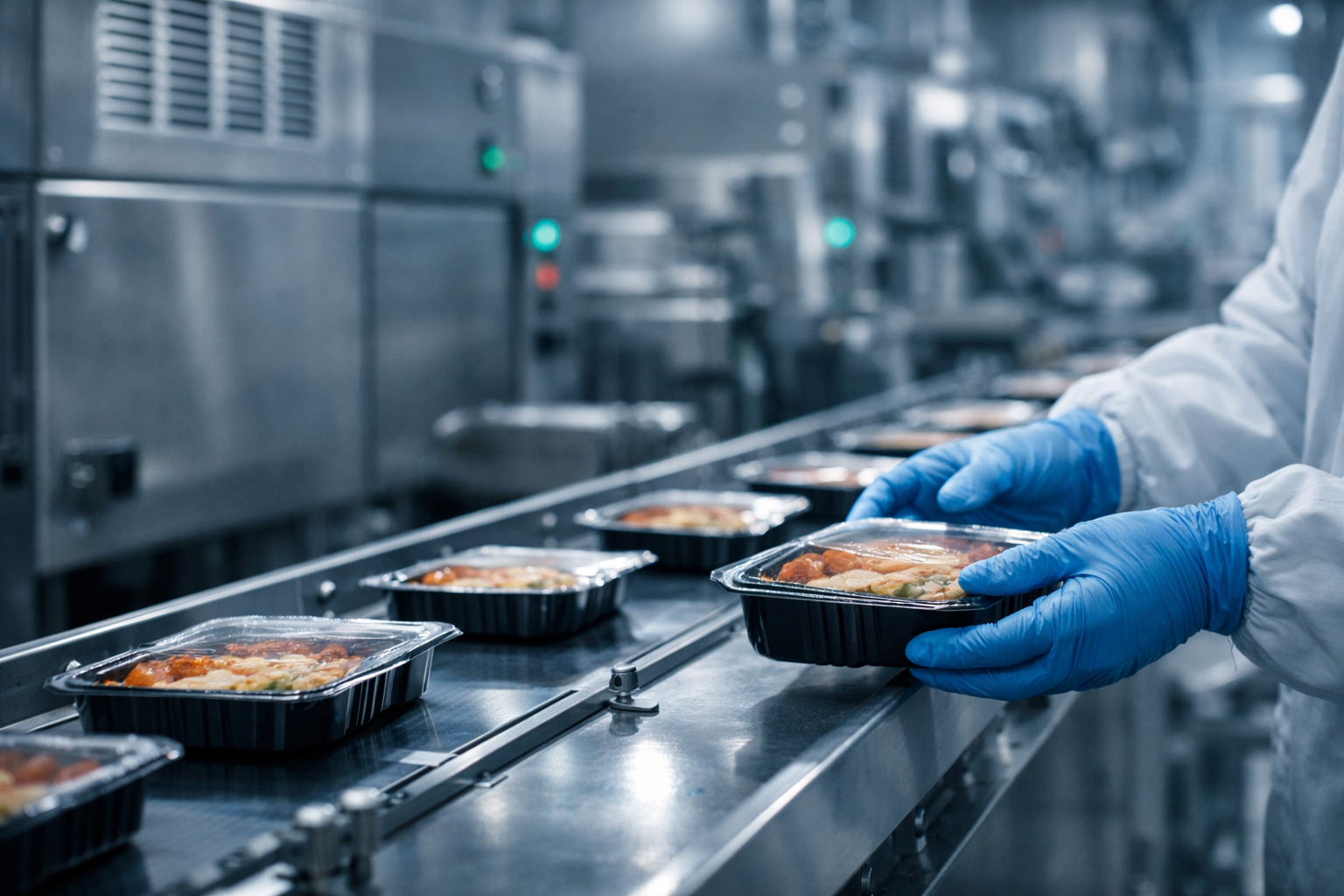
Maharashtra has tightened enforcement across edible-oil manufacturing and packaging operations. The state FDA is targeting adulteration, unsealed sales, reused containers, licensing failures, and unsafe transport across the production and distribution chain.
-
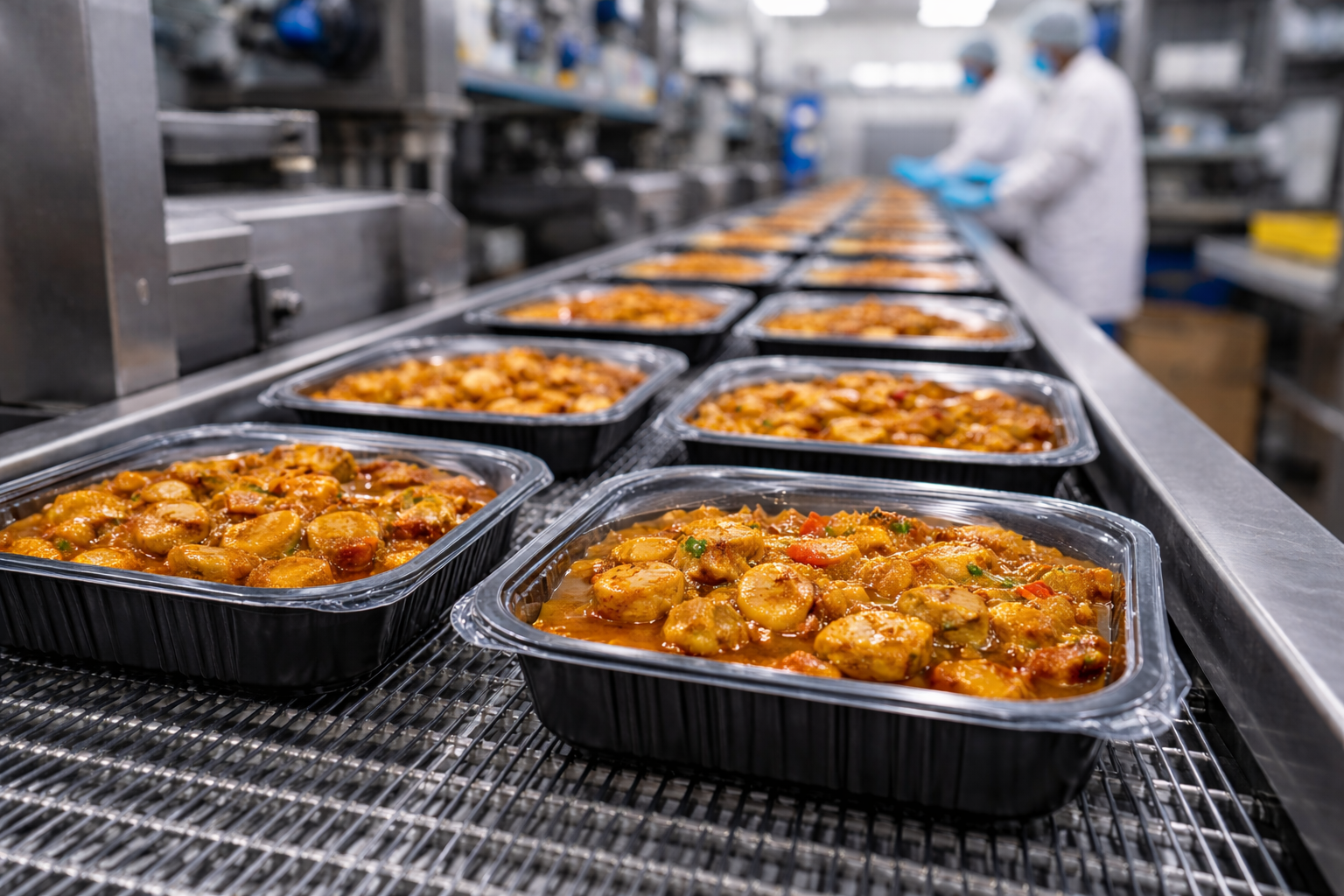
Danone has secured UK clearance for its planned Huel acquisition. The transaction adds a £254 million functional-nutrition business spanning powders, drinks, meals, and snacks to Danone’s wider portfolio.
-
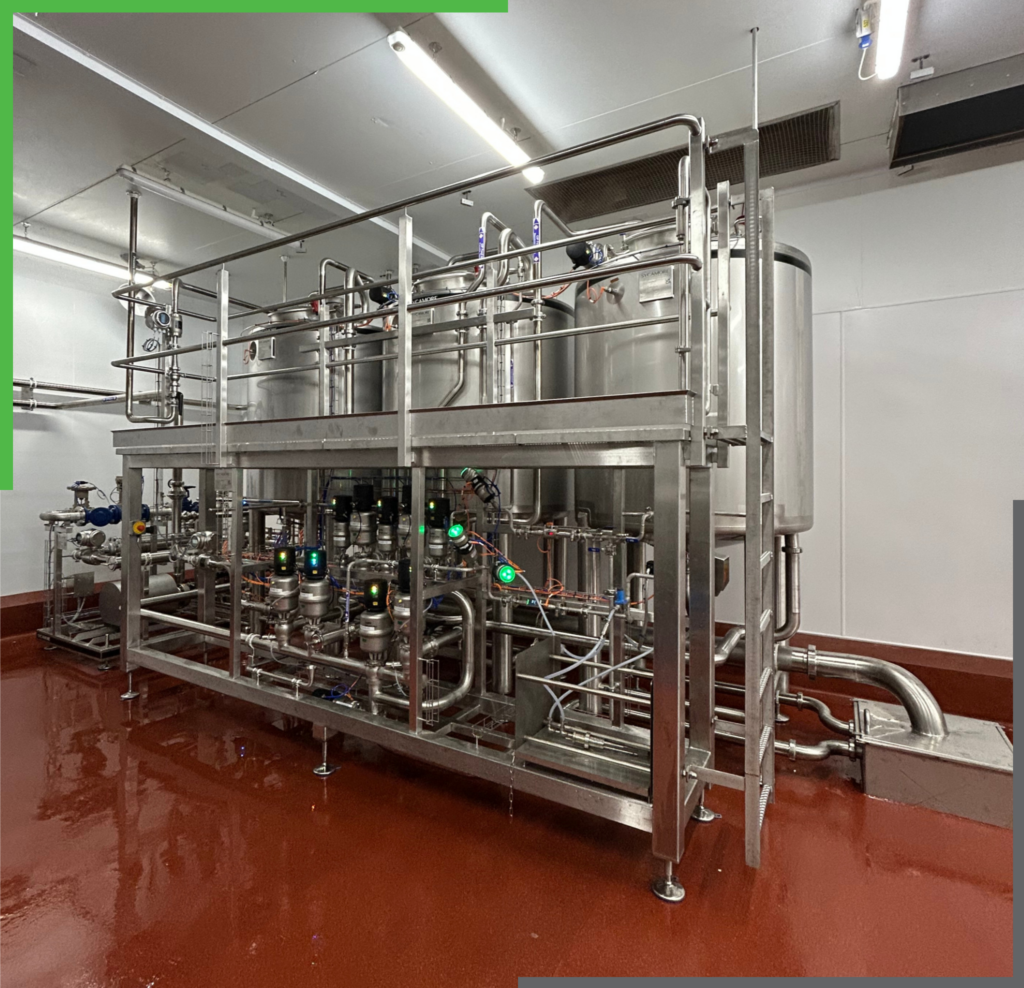
Müller has commissioned automated cleaning infrastructure for mobile dairy tanks. The modular system handles cleaning flows up to 50,000 litres per hour and connects 16 mobile vessels through a dedicated docking arrangement.
-
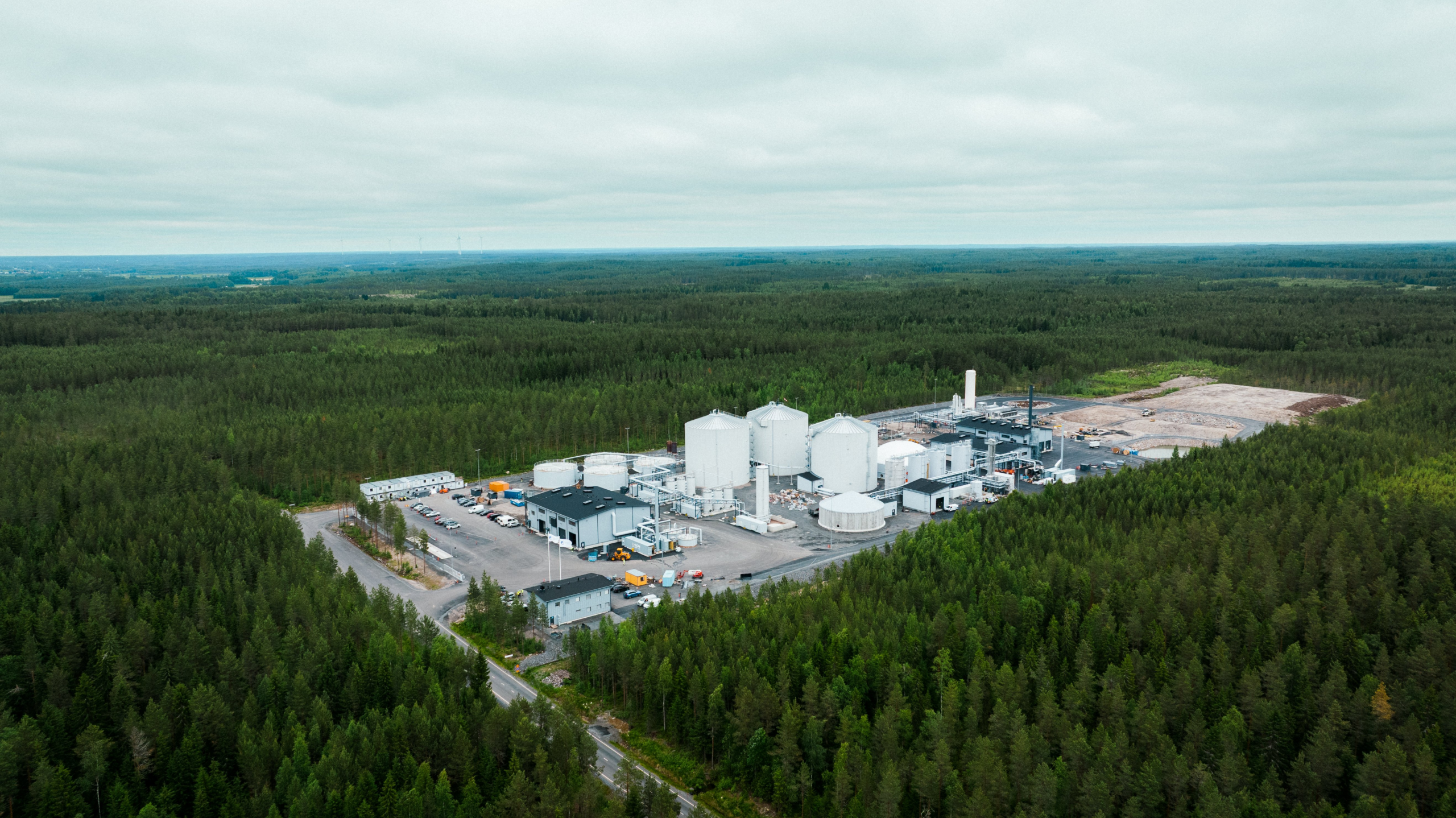
Finland opens first industrial-scale liquefied biogas production facility in Nurmo. The food-industry-linked plant is designed for around 100 GWh of annual output, with liquefaction scheduled to begin this autumn.
-

Suempol plans a major salmon processing complex in Poland’s west. The Pełczyce development would combine filleting, salting, smoking, freezing, and packing with photovoltaic generation and energy storage.
-

Markem-Imaje has launched new connected packaging software for GS1 transition. CoLOS 2D Activate and Engage combine QR-code management, production data, analytics, and digital content as manufacturers prepare for wider 2D barcode adoption.
-

US food manufacturers are accelerating reformulation away from synthetic dyes. FDA’s latest tracker shows completed and ongoing changes across cereals, snacks, dairy, confectionery, beverages, bakery, and private-label foods.
-
WECO has launched X-ray inspection technology for in-shell nut processors. Multiscan MXV-Bulk detects hidden defects, poor kernel fill, and dense foreign material that surface inspection cannot identify.
-
PepsiCo’s Pune snacks plant marks twenty-five years of manufacturing growth. More than ₹600 crore of investment has expanded annual capacity to 62,100 tonnes while adding automation and water-recovery technology.
-
Diageo will reformulate several major Indian whisky and rum brands. The changes follow FSSAI action over added flavourings and will require recipe and labelling changes across affected production.