
Category: Topics
-
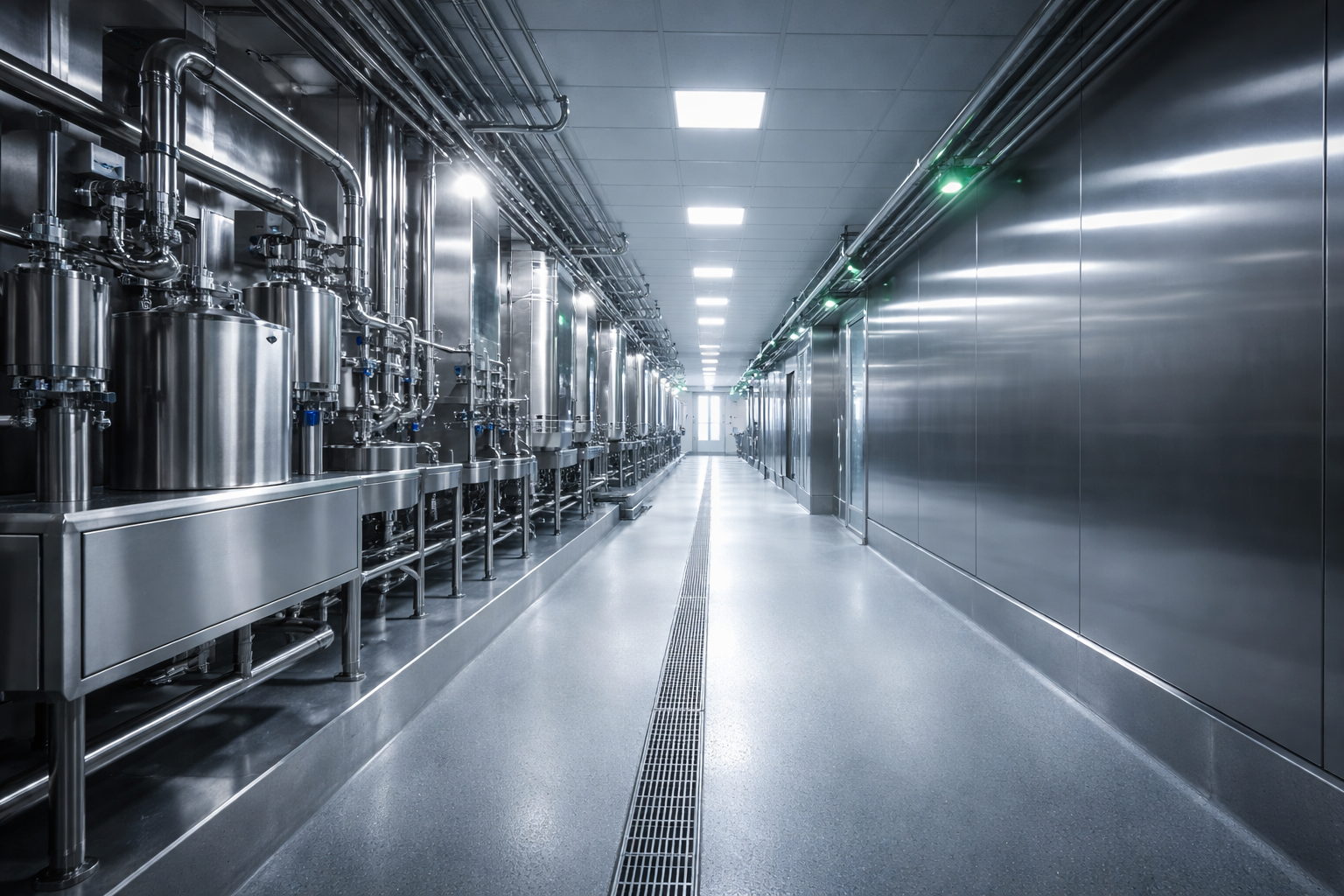
ADM plans a $55.5 million Clinton precision-fermentation facility conversion project. Separation, purification, drying, and packaging equipment will support larger-scale production of proteins, enzymes, and other high-value biobased products at the Iowa complex.
-
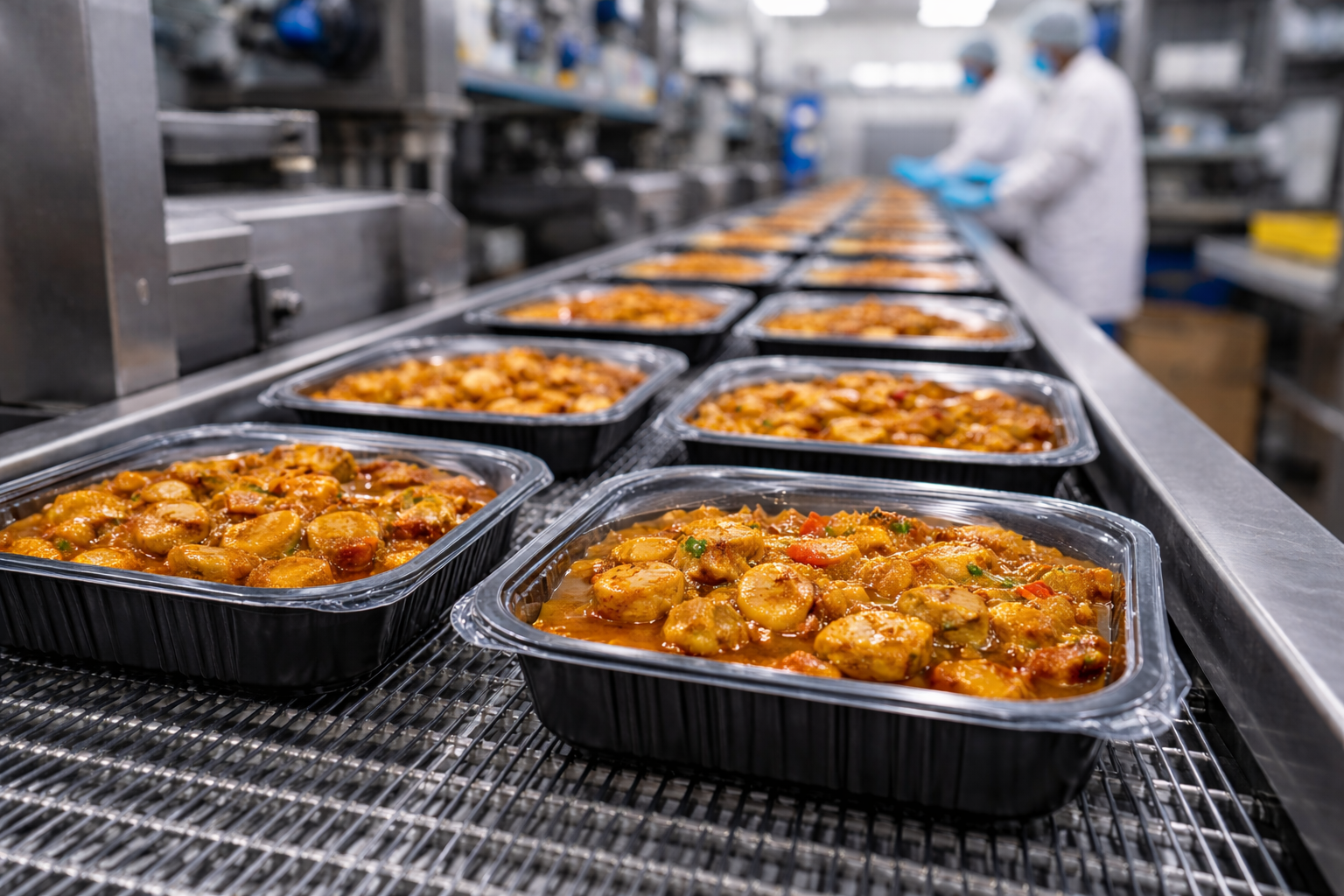
KM Packaging has launched K-Peel VPMe for recyclable tray lidding. The 55-micron barrier film seals PET, polypropylene, and polyethylene trays across microwave meals, snack packs, prepared foods, and fresh-protein applications.
-
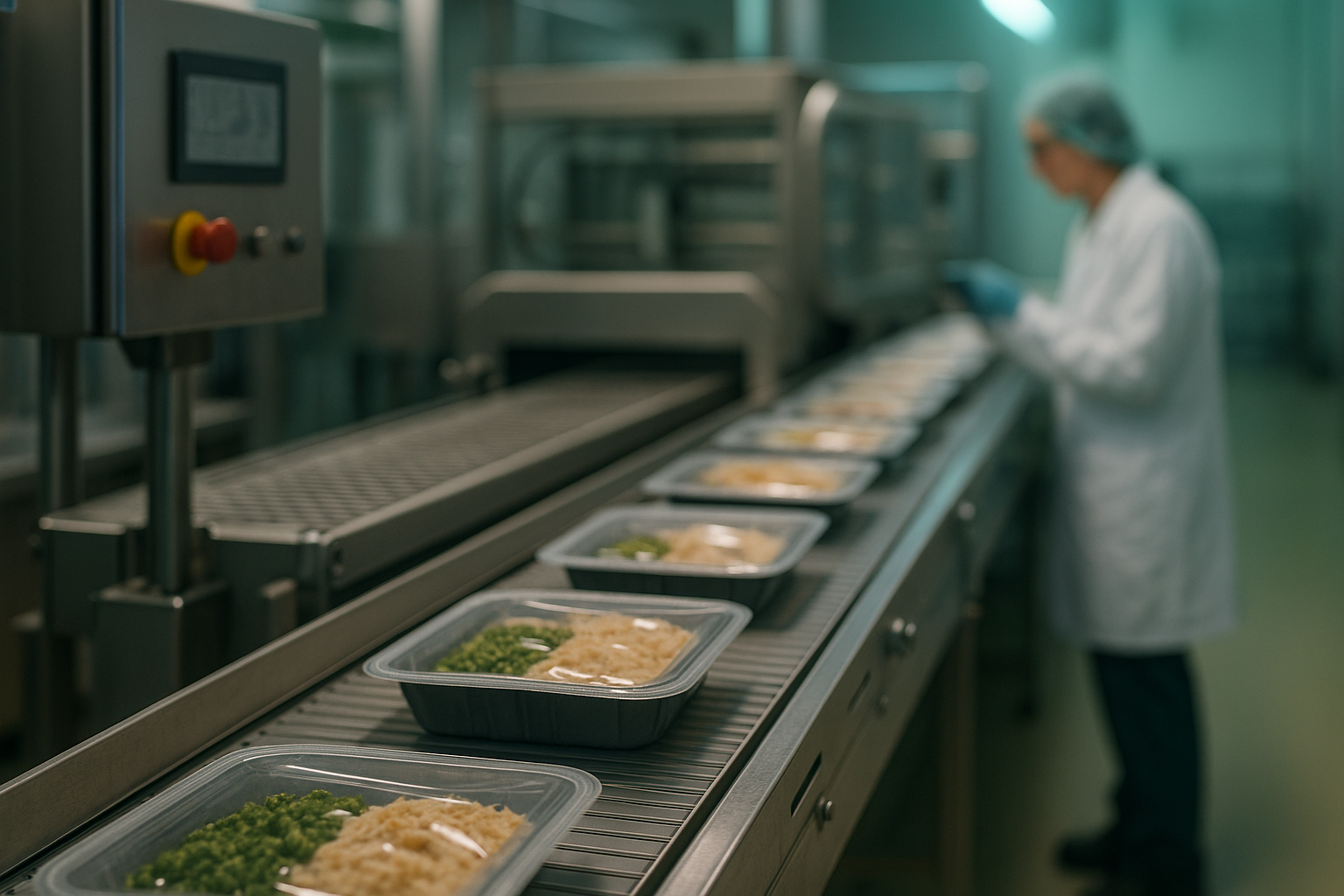
Tiptree has adopted certified 30% PCR films from Amcor UK. The shrink and stretch materials prepare Wilkin & Sons for revised Plastic Packaging Tax rules while retaining secondary-packaging and pallet-load performance.
-

Rowan Glen is investing £1 million-plus in Palnure dairy upgrades. The programme adds new equipment and high-care filling capacity as the Scottish processor expands from yoghurt into cottage cheese and bulk cream.
-
Ahlstrom has expanded grease-resistant papers for North American foodservice packaging. Grease-Gard PLUS adds water holdout, while PRO targets hot-food packs requiring greater grease resistance and heat retention.
-
Sonoco will raise EMEA recycled paperboard prices €60 per tonne. The increase applies from 15 September as inflation, energy, fuel, transport, and operating costs continue to pressure regional production.
-
ÄIO and TFTAK secured funding for automated microbial oil development. DigiFoundry 2.0 will integrate strain engineering, process control, automation, and data to lower microbial oil development and manufacturing costs.
-
MAASH has secured new funding for French industrial mycoprotein production. The €12.15 million package will support a 12 m³ demonstration plant and preparation for annual output of 10,000 tonnes.
-

Nordzucker plans to stop sugar production at Nakskov in Denmark. Output will move to Nykøbing after the 2026/27 campaign, while Nakskov remains a packaging service centre.
-
Rajasthan has widened deferred industrial land payments to food processors. Eligible businesses can pay ten per cent initially and spread the remaining premium over ten years at 8.5% annual interest.