IN Brief:
- Lactalis has agreed to acquire Saputo's UK dairy division at an enterprise value of approximately £988m.
- The transaction covers five manufacturing facilities and brands including Cathedral City, Wensleydale, Davidstow, Clover, and Country Life.
- Completion is expected by the end of the first quarter of 2027, subject to regulatory and other customary closing conditions.
Lactalis has agreed to acquire Saputo’s UK dairy division at an enterprise value of approximately £988 million, bringing five manufacturing facilities and some of Britain’s most established cheese and dairy-spread brands into its portfolio.
The definitive agreement includes Cathedral City, Wensleydale, Davidstow, Clover, and Country Life alongside the associated manufacturing operations. Completion is expected by the end of the first quarter of 2027, subject to regulatory approvals and other customary closing conditions.
Saputo’s UK division generated approximately $1.2 billion in revenue over the latest four quarters, equivalent to around 7% of the Canadian group’s consolidated revenue. The disposal therefore represents the exit of a sizeable operating division rather than the sale of a peripheral group of brands.
The acquisition would add substantial British dairy manufacturing capacity to Lactalis, which has continued broadening its position in higher-value dairy, protein, and nutrition markets. Its acquisition of Protein Works earlier this year added a Liverpool manufacturing and direct-to-consumer nutrition platform, while Saputo’s UK operation reaches much deeper into established cheese, butter, and spreads production.
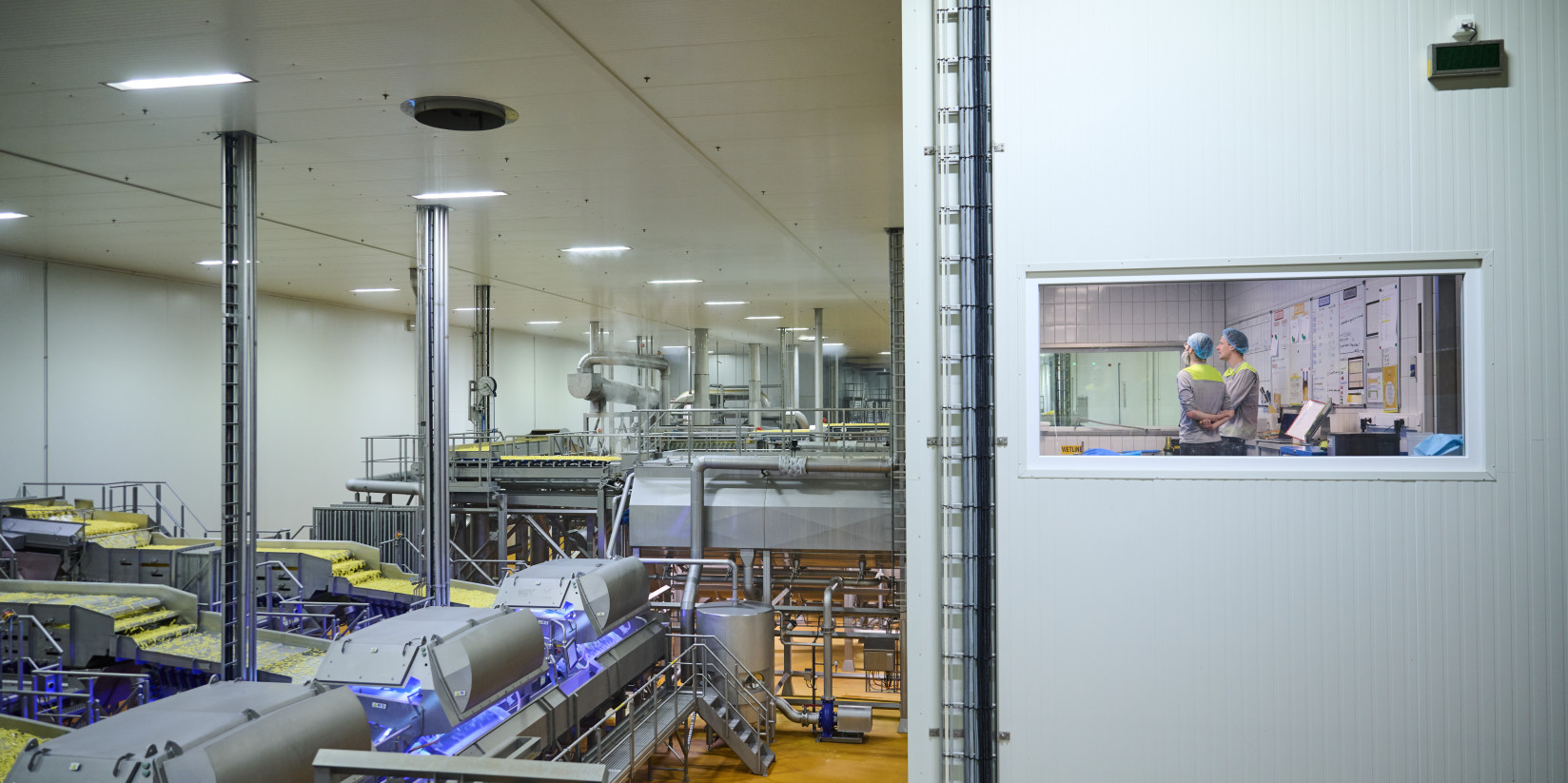
Manufacturing assets give this deal more weight than a brand-only transaction. Cheese depends on milk procurement, curd handling, cultures, maturation, refrigeration, packing, quality systems, specialist labour, and substantial site infrastructure, while spreads and butter add different process and packaging requirements.
Cathedral City brings scale in branded cheddar, while Davidstow connects the portfolio to mature-cheese production built around Cornish milk. Wensleydale adds a separate regional cheese proposition, and Clover and Country Life extend the acquired operation into spreads and butter-related categories.
That breadth creates purchasing and commercial opportunities, but it also limits the scope for treating the five sites as interchangeable factories. Cheese styles rely on different recipes, cultures, curd-handling regimes, maturation periods, and packing formats, while butter and spread production use different equipment and process conditions again.
The future value of the plants will consequently depend on utilisation as much as headline capacity. Equipment condition, refrigeration efficiency, cold storage, whey handling, packaging flexibility, utilities, maintenance requirements, wastewater treatment, and available space for expansion all influence the capital a new owner may need to commit.
Dairy processing also operates inside a rigid raw-material network. Milk arrives continuously and has limited storage life, so integration plans have to accommodate farmer relationships, collection routes, seasonal supply, individual site capabilities, and product demand rather than moving production around as though the raw material were an ambient commodity.
Those constraints become more pronounced when milk economics tighten. Energy, labour, farmgate pricing, transport, and changing demand between cheese, butter, powders, and higher-value protein ingredients all affect where milk generates the strongest return.
Greater scale can spread procurement, technical, commercial, and capital costs across a larger network, but it does not remove the operating intensity of dairy manufacture. Refrigeration, steam, hot water, compressed air, cleaning-in-place systems, maturation stores, and cold distribution continue consuming energy and maintenance budgets irrespective of the owner’s purchasing power.
The transaction arrives during an active period for food-sector consolidation. European food, beverage, and agriculture deal volumes rose during the first half of 2026, with strategic buyers continuing to use acquisitions to add manufacturing capability and established market positions more quickly than greenfield development would allow.
Saputo is taking the opposite side of that consolidation. The company says selling the division will refine its global footprint and increase financial flexibility for organic investment, capital projects, and future acquisitions in areas where management sees stronger strategic returns.
The UK business became part of Saputo through its acquisition of Dairy Crest in 2019. Its proposed disposal several years later is a reminder that substantial factories and successful brands do not become permanent portfolio fixtures simply because the original transaction was large.
Regulatory review now determines the timetable. Lactalis is already one of the world’s largest dairy groups, and the transaction adds an established UK branded-cheese and spreads operation, making formal competition and other regulatory approvals a material condition rather than an administrative footnote.
Until completion, the operating requirement is continuity. Milk still has to be collected, cheese produced and matured, packing lines scheduled, customers supplied, and product specifications maintained while ownership remains legally unchanged.
The more consequential decisions start once Lactalis controls the assets. Capital allocation between the five plants, automation priorities, energy-efficiency projects, milk sourcing, production allocation, packaging capability, and the position of individual brands within the wider portfolio will determine how much of the acquisition value is realised through manufacturing rather than commercial scale alone.
The £988 million valuation buys far more than supermarket shelf presence. It buys an operating dairy network whose factories, milk relationships, people, technical knowledge, and production history will still require patient capital after the transaction itself has disappeared from the M&A headlines.