
Category: Meat
-
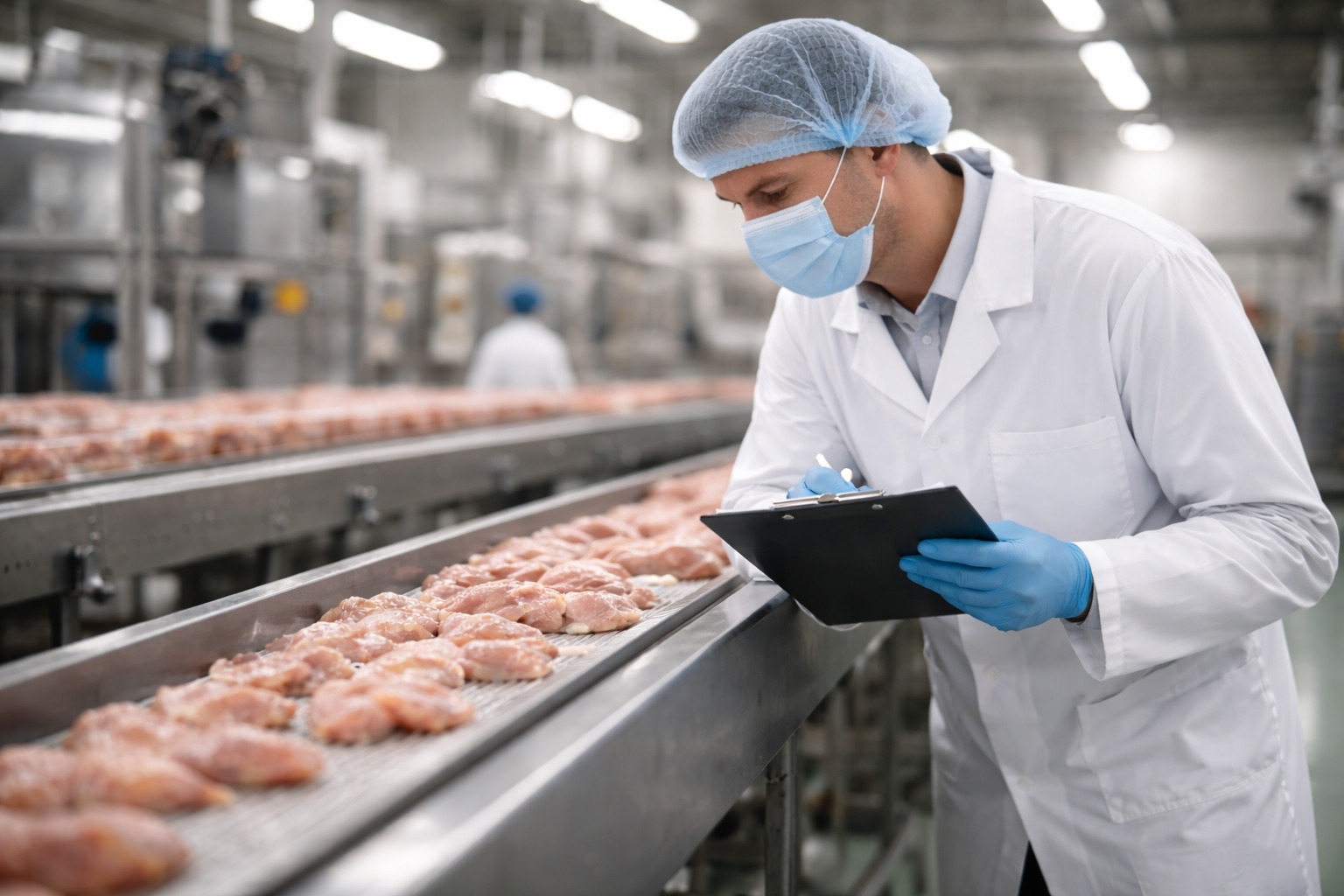
Fortifi has acquired German food separation specialist SEPAFood Solutions GmbH. The deal adds SEPAmatic equipment, patented cooling and speed controls, engineering expertise, and manufacturing capacity.
-
Pilgrim’s Europe workers have begun continuous strike action at Enniskillen. The escalation follows three weeks of stoppages as the manufacturer and Unite remain divided over pay and paid breaks.
-
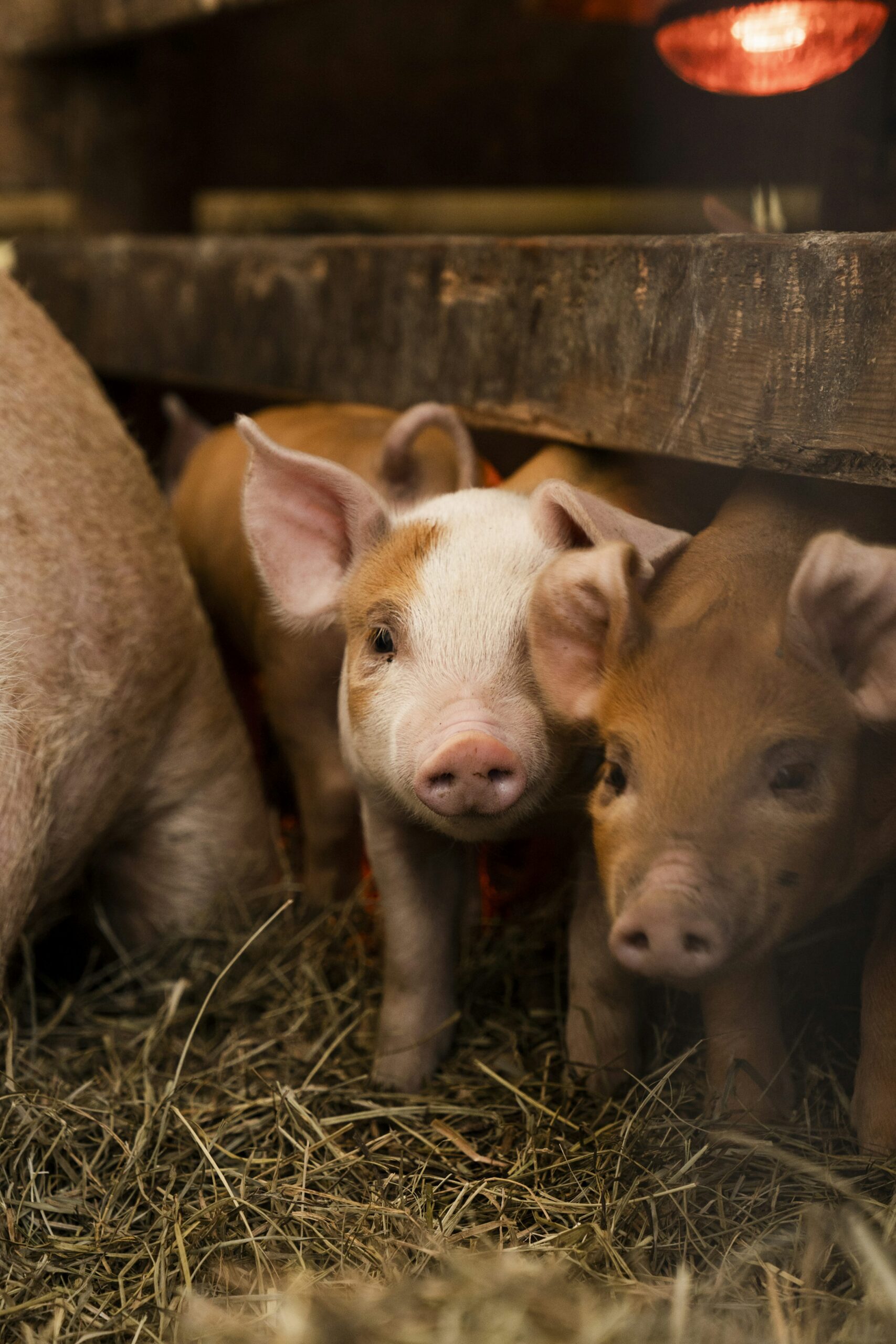
Cranswick subsidiary Elsham Linc formally faces 23 alleged welfare offences. The private prosecution concerns alleged conduct at Northmoor Farm, with disclosure and abuse-of-process proceedings scheduled before the substantive case advances.
-
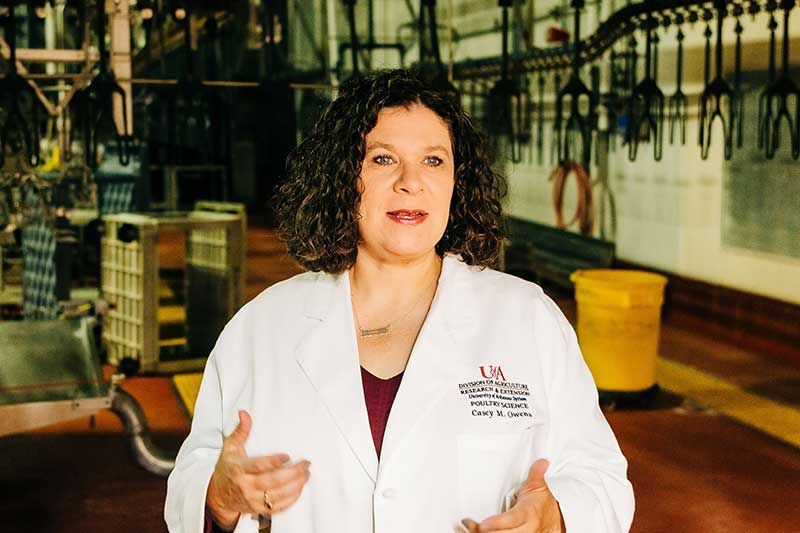
Researchers are testing electron-beam treatment for safer poultry processing operations. New work examines whether pathogen reduction can be achieved without unacceptable changes to meat flavour, colour, and other quality characteristics.
-
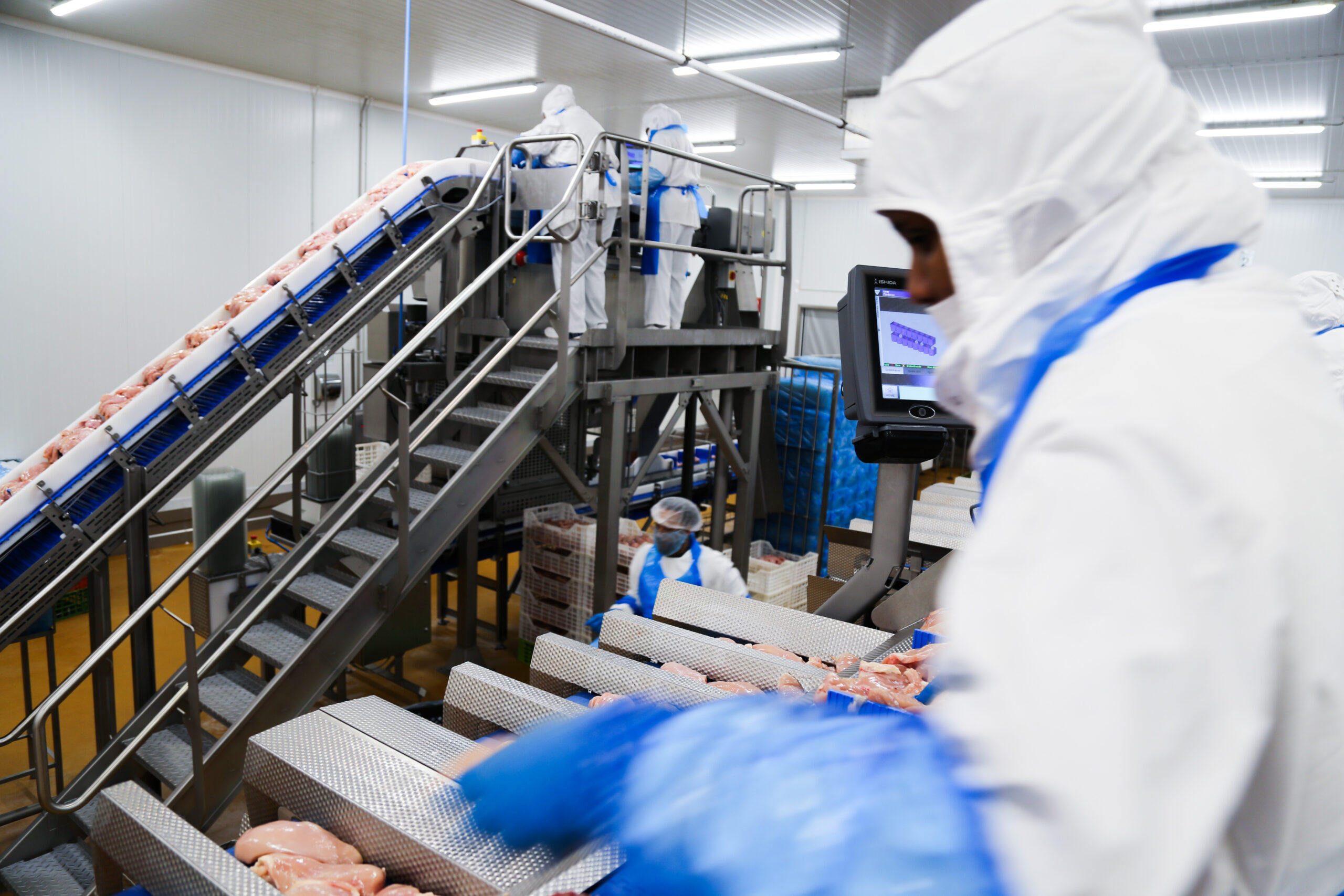
KILOM has automated poultry tray packing across three production lines. The Ishida installation lifts throughput, reduces labour, and tightens pack-weight control while retaining flexibility across fresh poultry formats.
-
Bernard Matthews will close its Derby poultry plant in December. Around 600 jobs are at risk after consultation failed to identify a viable route for the site to continue operating.
-
Food production drove Akola Group’s strongest operating result this year. The segment generated €482 million revenue and €58 million operating profit, with poultry providing the main improvement.
-
Cirkla will build a Georgia plant for moulded fibre trays. The $5 million-plus investment adds automated US production for meat packaging, including modified-atmosphere and overwrap formats.
-
Offbeast has developed hybrid beef tips combining meat and plants. The 50:50 product uses a continuous process designed to work with existing meat-processing equipment.
-
Pilgrim’s has agreed to acquire Walkers Deli and Sausage Company. The deal covers four Leicester production facilities and approximately 1,150 employees.