
Category: News
-
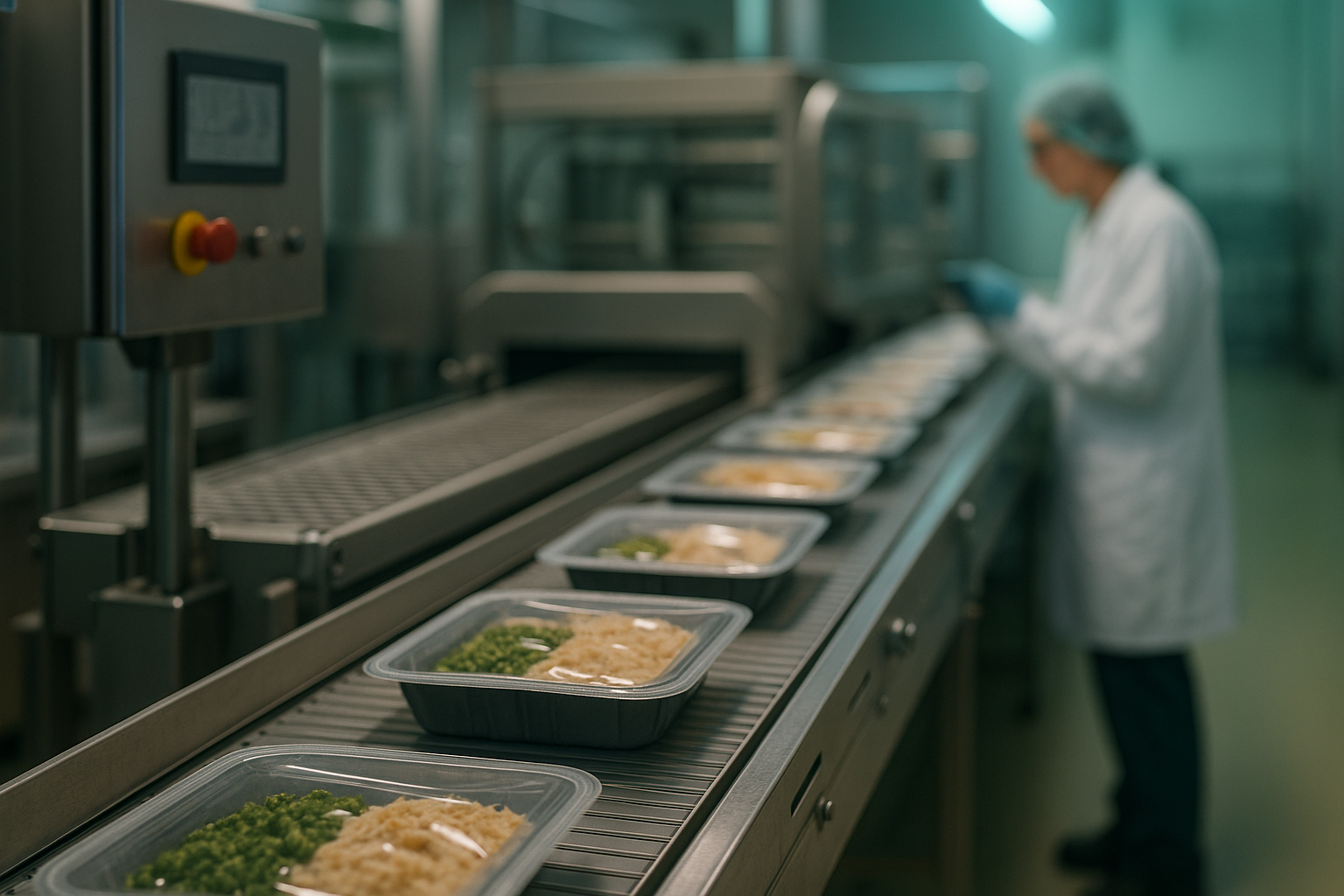
Cirkla will build a Georgia plant for moulded fibre trays. The $5 million-plus investment adds automated US production for meat packaging, including modified-atmosphere and overwrap formats.
-
Currency volatility is eroding margins across UK food manufacturing businesses. Survey data shows working-capital pressure, higher cash buffers, and limited use of formal foreign-exchange risk management.
-
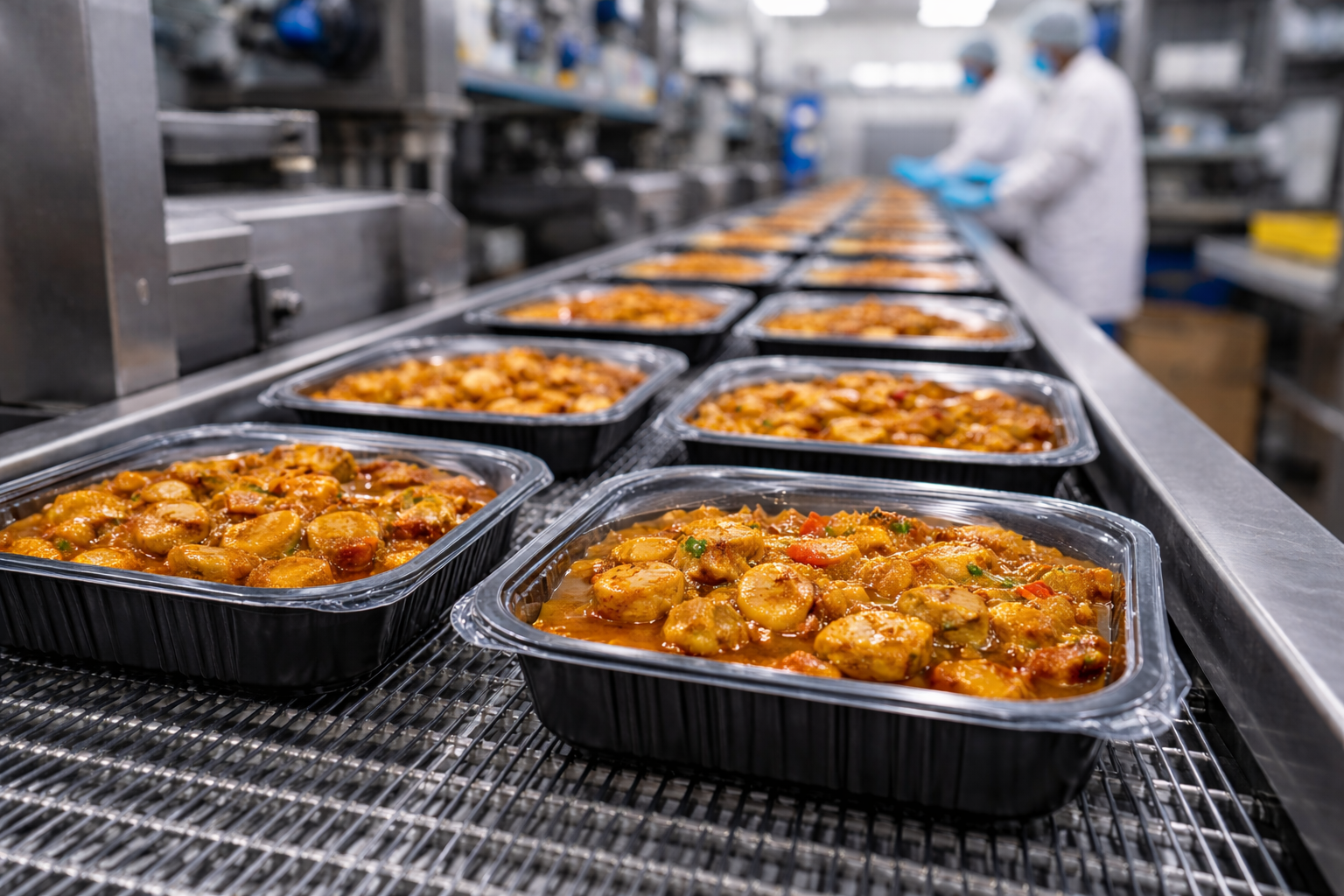
Quorn’s UK retail recovery is rebuilding margins after restructuring measures. First-half protein revenue increased as supply-chain savings and improved retail performance offset continuing weakness in foodservice.
-
Tate & Lyle sees metabolic health reshaping mainstream food reformulation. Soluble fibre is being positioned across sugar reduction, fibre enrichment, calorie reduction, and blood-glucose-focused product development.
-
Sazerac has agreed to acquire Swansea-founded premium brand Au Vodka. The deal adds flavoured spirits and a growing canned RTD range as the US group deepens its position in Britain.
-
Nestlé is using AI to develop nutrition for GLP-1 users. Its researchers are combining high-protein products, micronutrient work, and digital tools as weight-loss medicines alter nutritional requirements and food demand.
-
Ardagh Holdings has begun preparations for a potential packaging sale. The process could involve some or all of Ardagh Metal Packaging, a 23-plant beverage-can business with $5.5 billion of 2025 sales.
-
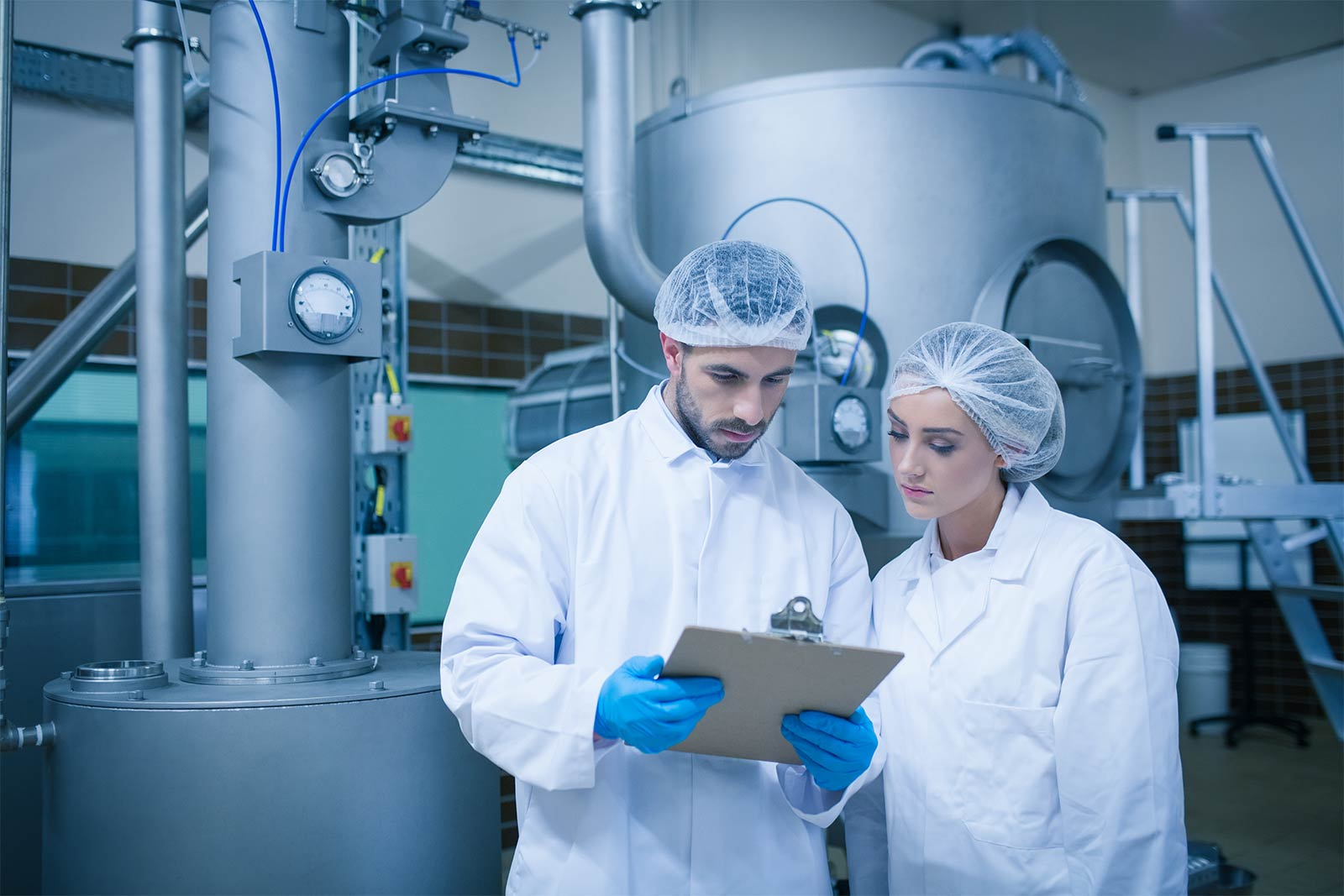
European whey prices are forcing tougher decisions across protein formulation. Tight WPC and WPI supply is pushing manufacturers towards longer contracts, alternative proteins, and reformulation as specialised processing capacity struggles to keep pace.
-
Zalmhuys takes majority control of Dutch seafood importer BML Group. The deal adds shrimp expertise, frozen products, and an international customer network to a group approaching €600 million in annual revenue.
-
INVL is combining two Lithuanian fish processors under one investment. The planned group would pair Norvelita’s export manufacturing base with Nordian Group’s domestic supply and expansion platform.