
Category: Packaging
-
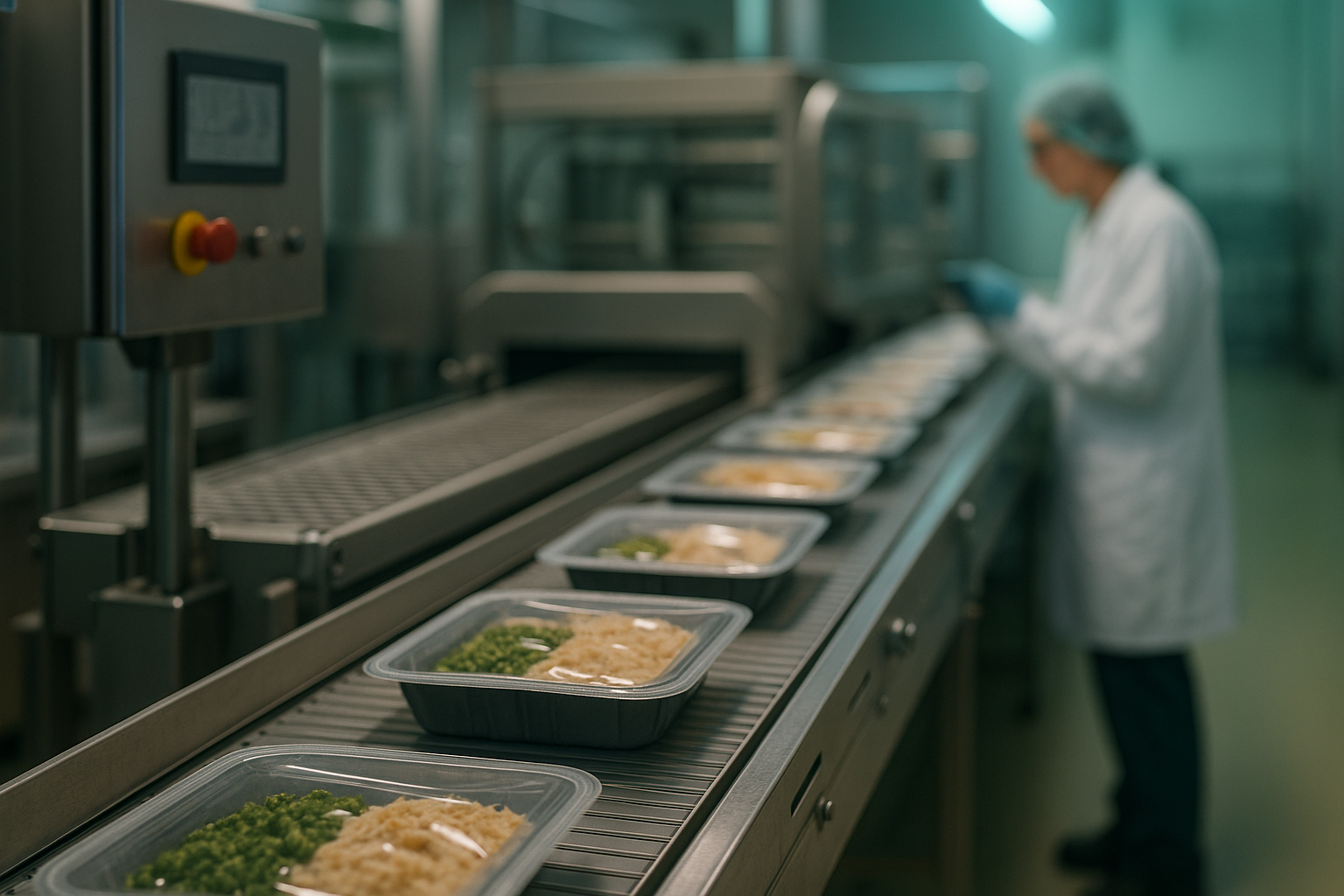
Nortech Foods launches automated Bag-in-Box seed oil production in Britain. The Doncaster line targets lower plastic use, denser storage, and simpler handling across food manufacturing and foodservice.
-
Siegwerk is expanding regional ink production and supporting warehouse capacity. Projects in Iowa and North Carolina target flexible packaging, digital printing, operating resilience, and lower-carbon infrastructure.
-
WK Kellogg will remove artificial colours from cereals by year-end. The accelerated programme brings recipe and packaging conversion forward by one year across brands including Froot Loops and Apple Jacks.
-
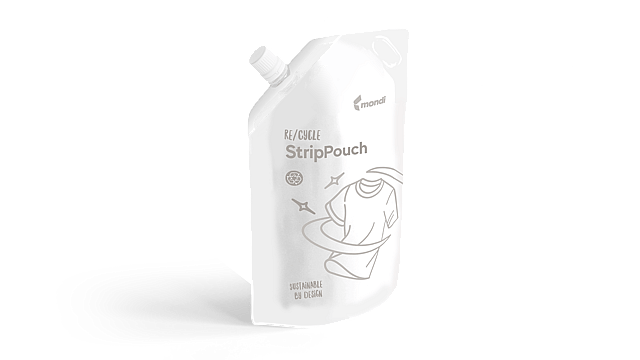
Mondi is testing laser marking across recyclable flexible packaging formats. The concept removes printing plates and supports faster artwork changes.
-
VPK has launched one-piece shelf-ready packaging for chilled retail lines. StackIT replaces separate bases and lids with one corrugated format.
-
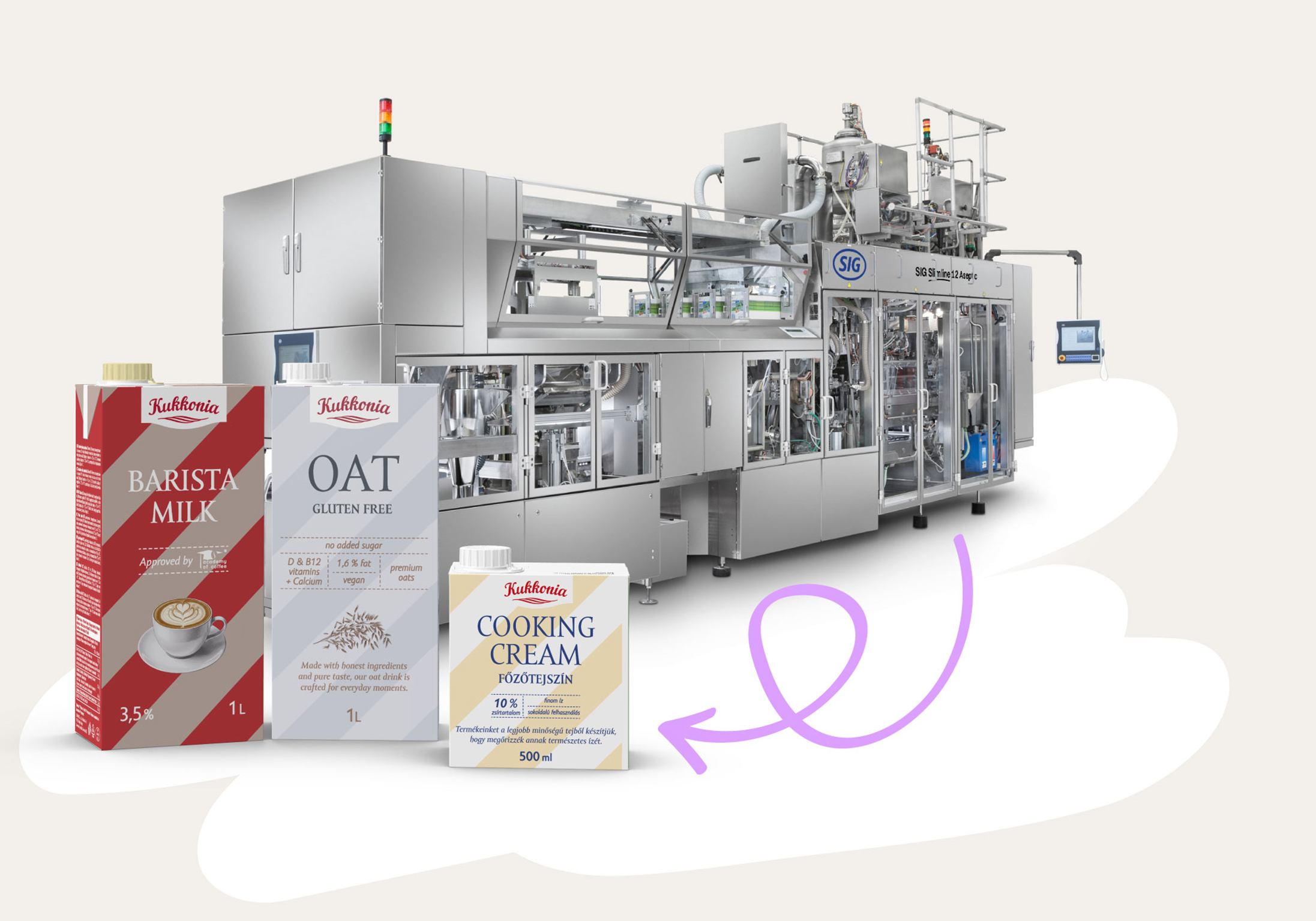
Euromilk is installing new aseptic filling capacity at Slovak dairy. The line will handle three carton sizes at up to 12,000 packs an hour.
-
Altopack has introduced resealable zip packaging for long-cut pasta products. A leading West Asian producer has adopted the transverse closure, moving the format into a commercial application.
-
deSter cut greenhouse gas emissions 58% against its 2019 baseline. Its 2025 report also records ISO 14001 certification across all manufacturing sites and a 95% revenue share from reusable, recyclable, or compostable packaging.
-
CPPC and SCGC have launched recycled pet-food packaging across ASEAN. The certified circular-polyolefin format has already been used commercially since 2024, despite its presentation as a new launch.
-
UFlex has started commercial production at its Mexican packaging plant. The 80-million-bag facility targets pet-food markets across North and South America.