
Category: Beverage
-
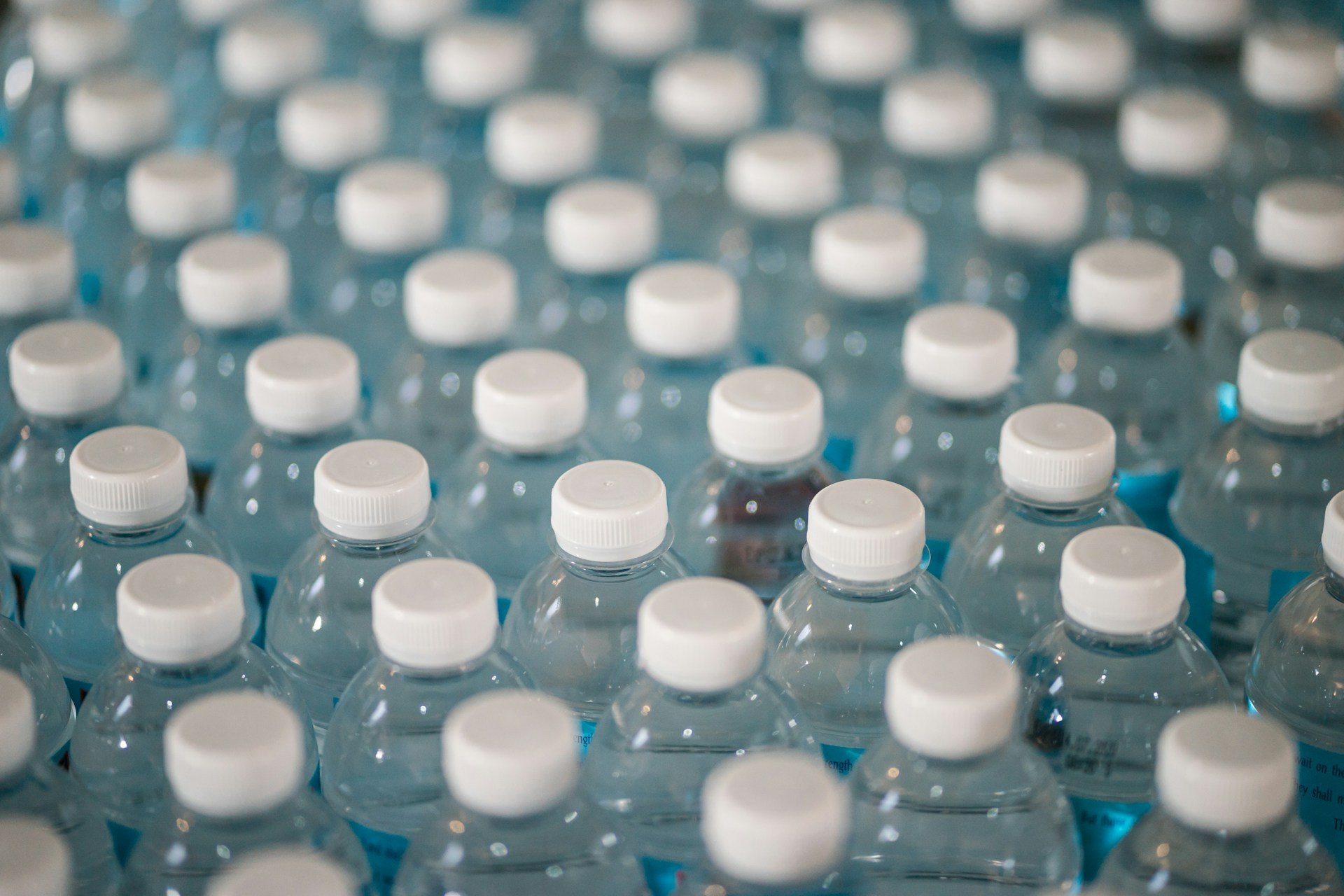
Coca-Cola HBC increased volumes while raising capital investment across operations. Spending covered capacity, automation, digital systems, and energy-efficient cooling equipment.
-
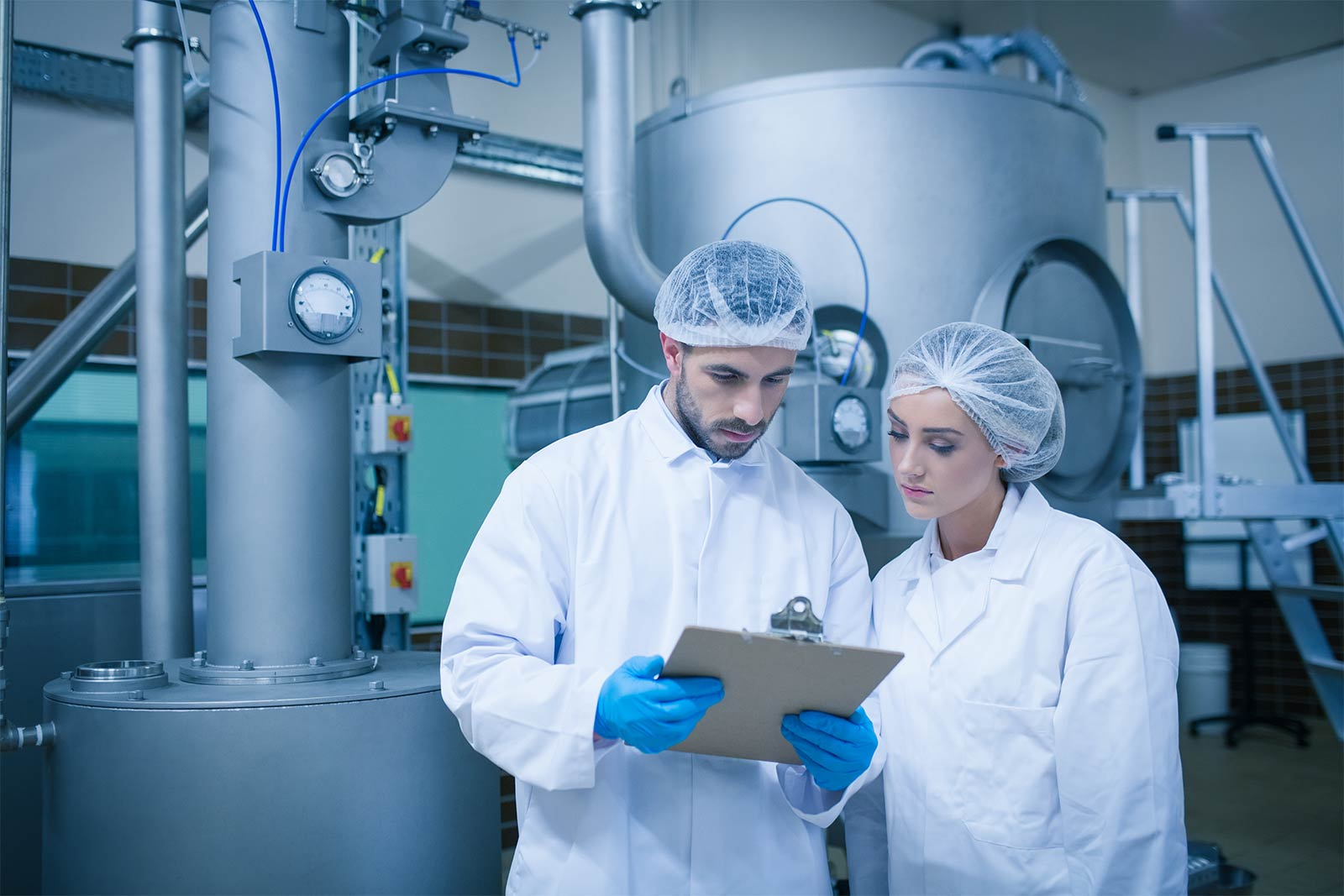
CCEP is printing approved spare parts directly at its plant. Krones’ service converts selected physical inventory into controlled digital files.
-
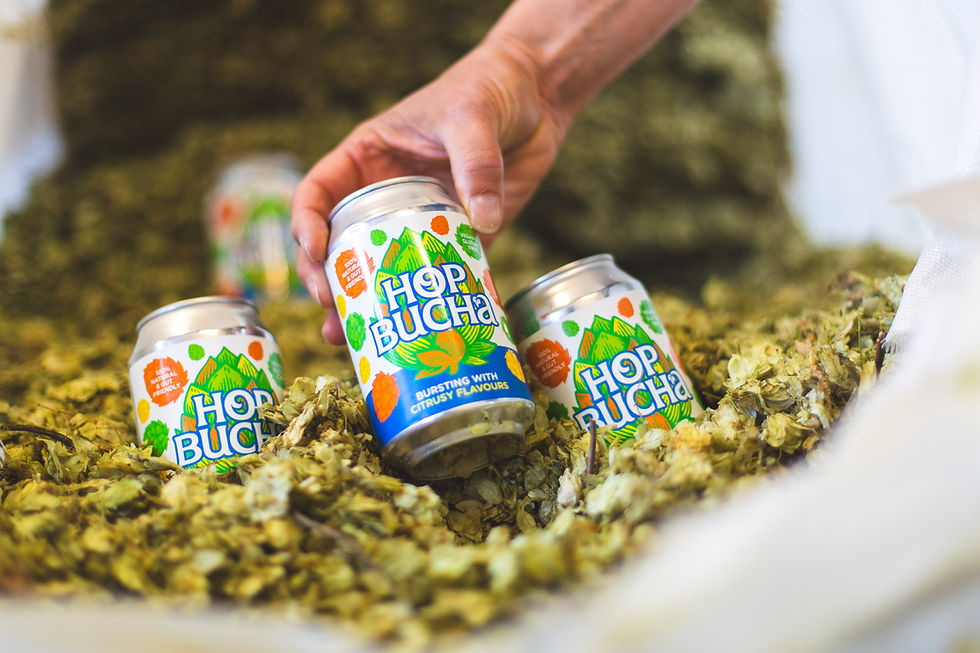
Theakston and Equinox have combined brewing with kombucha fermentation expertise. Hopbucha uses fermented tea and hops to create an alcohol free drink aimed at adult beverage occasions.
-
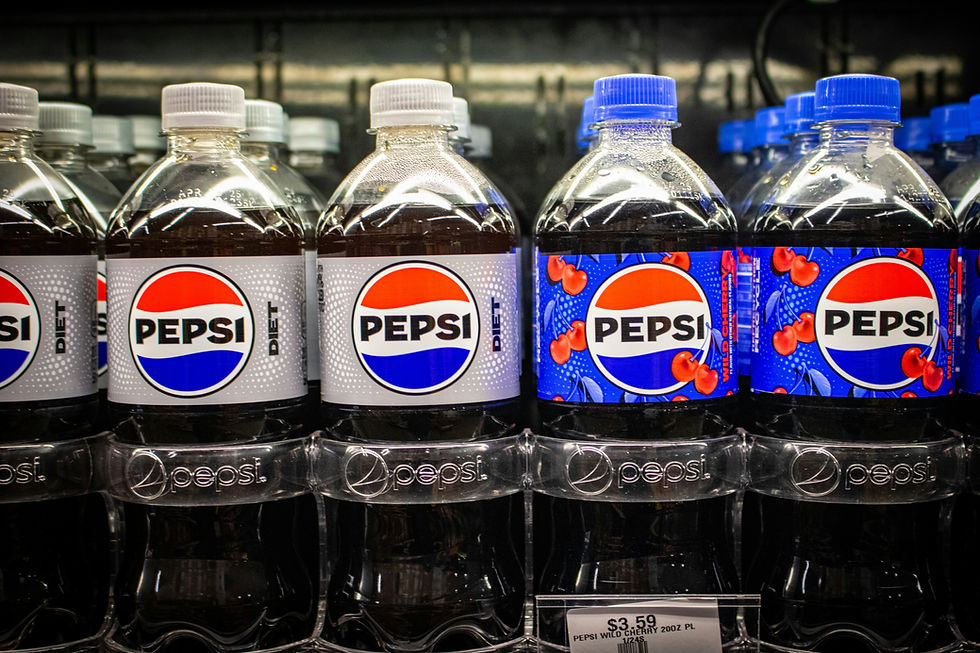
Carlsberg will add PepsiCo soft drink production capacity in Azerbaijan. Expansion at Xirdalan will connect beer and non alcoholic beverage manufacturing within a broader local bottling and distribution operation.
-
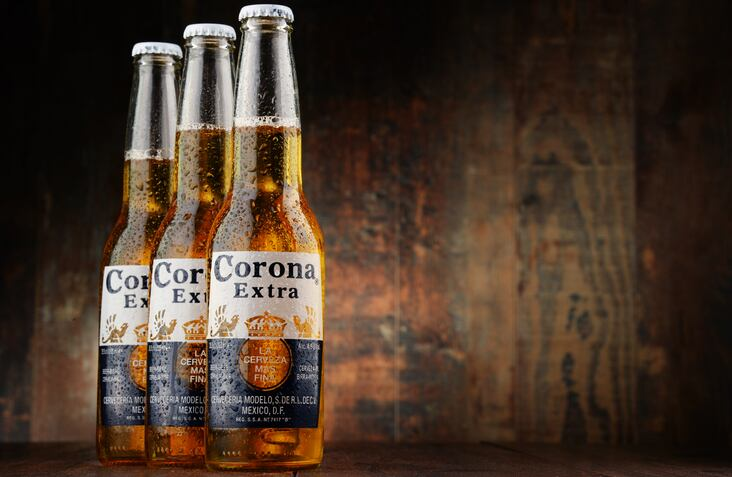
AB InBev returned beer volumes to growth during the quarter. Premium brands and alcohol free products supported revenue despite weaker trading in China and continued pressure across several consumer markets.
-
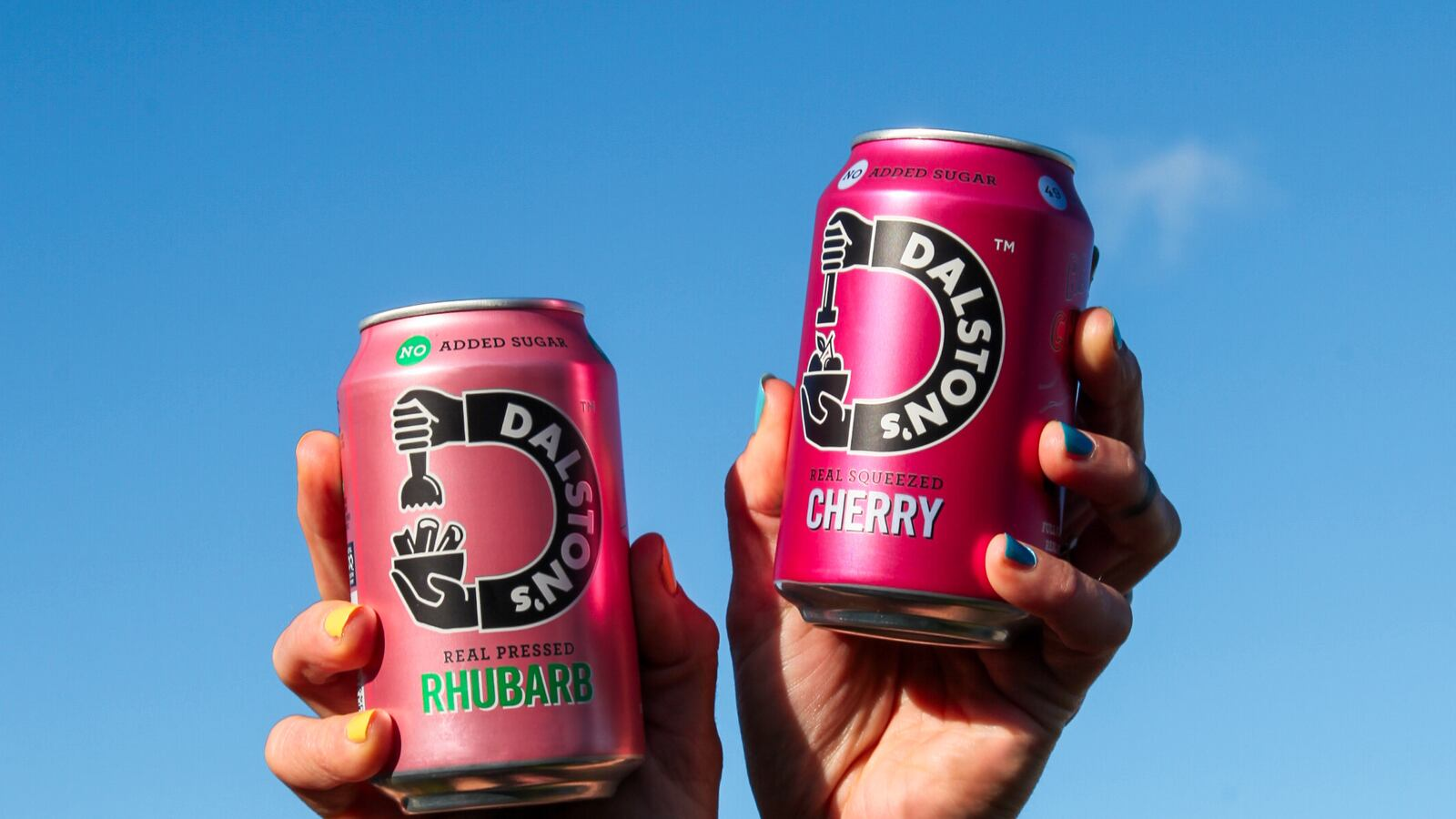
Damm is bringing brewery infrastructure behind Dalston’s expanding soft drinks. Production, distribution, development, and commercial support could provide capabilities normally built across several investment cycles.
-
Poland’s proposed drinks levy will reshape beverage formulation and pricing. Higher rates and wider coverage could alter concentrate manufacture, recipe development, and portfolio planning from January 2027.
-
Britain’s moderation drinks sector now carries substantial domestic manufacturing weight. Producers are planning capacity growth, recruitment, investment, and further exports.
-
TRASH has secured two prominent London listings for cacao water. The drink uses pulp removed before cocoa bean processing.
-
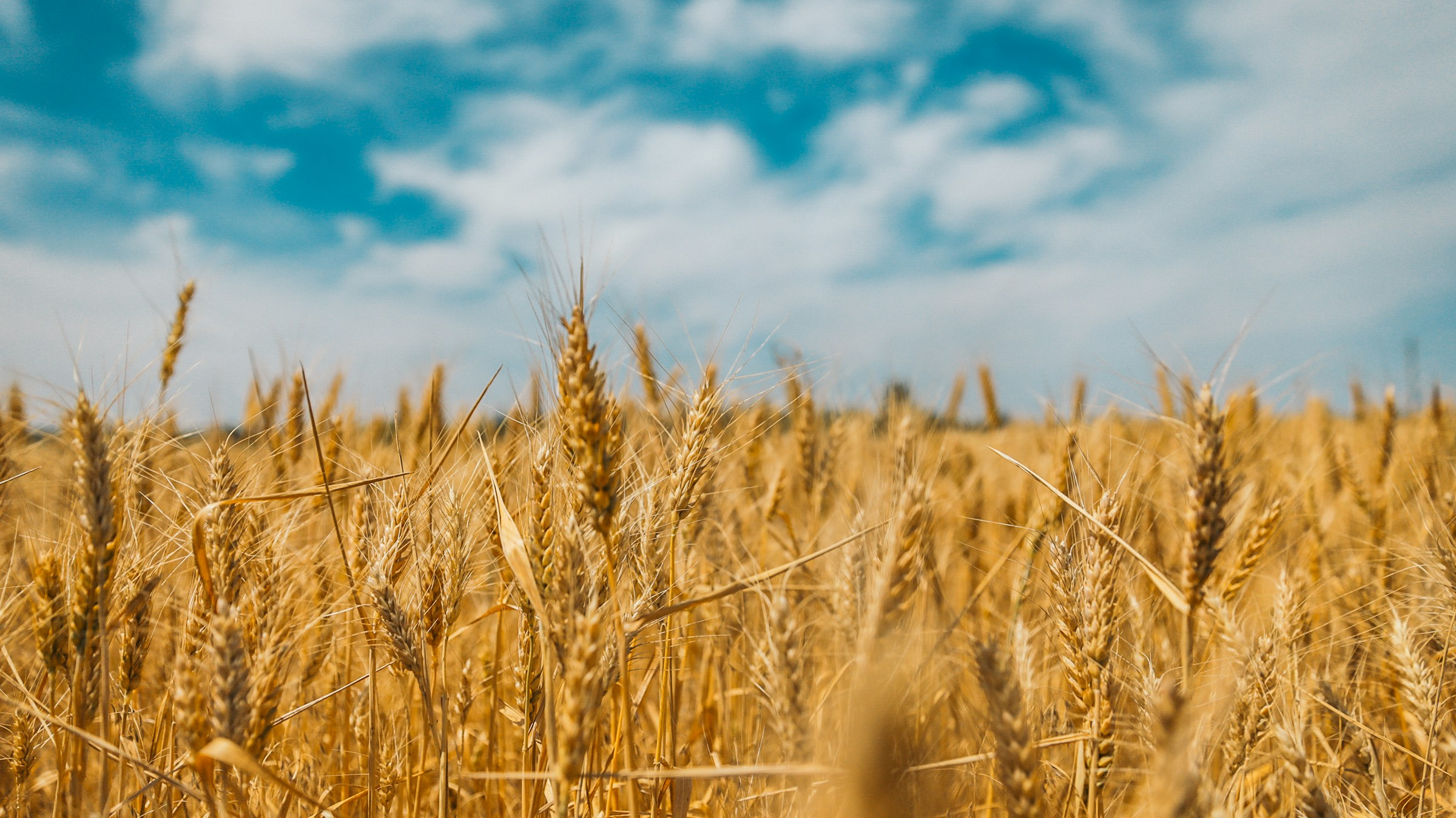
London wheat futures have briefly moved above £200 per tonne. The subsequent retreat has not removed concerns over harvest quality, milling availability, and raw material volatility.