
Category: Beverage
-

Champagne producers have capped 2026 output near 250 million bottles. The lower yield is intended to reduce stocks while preserving production discipline across the appellation.
-
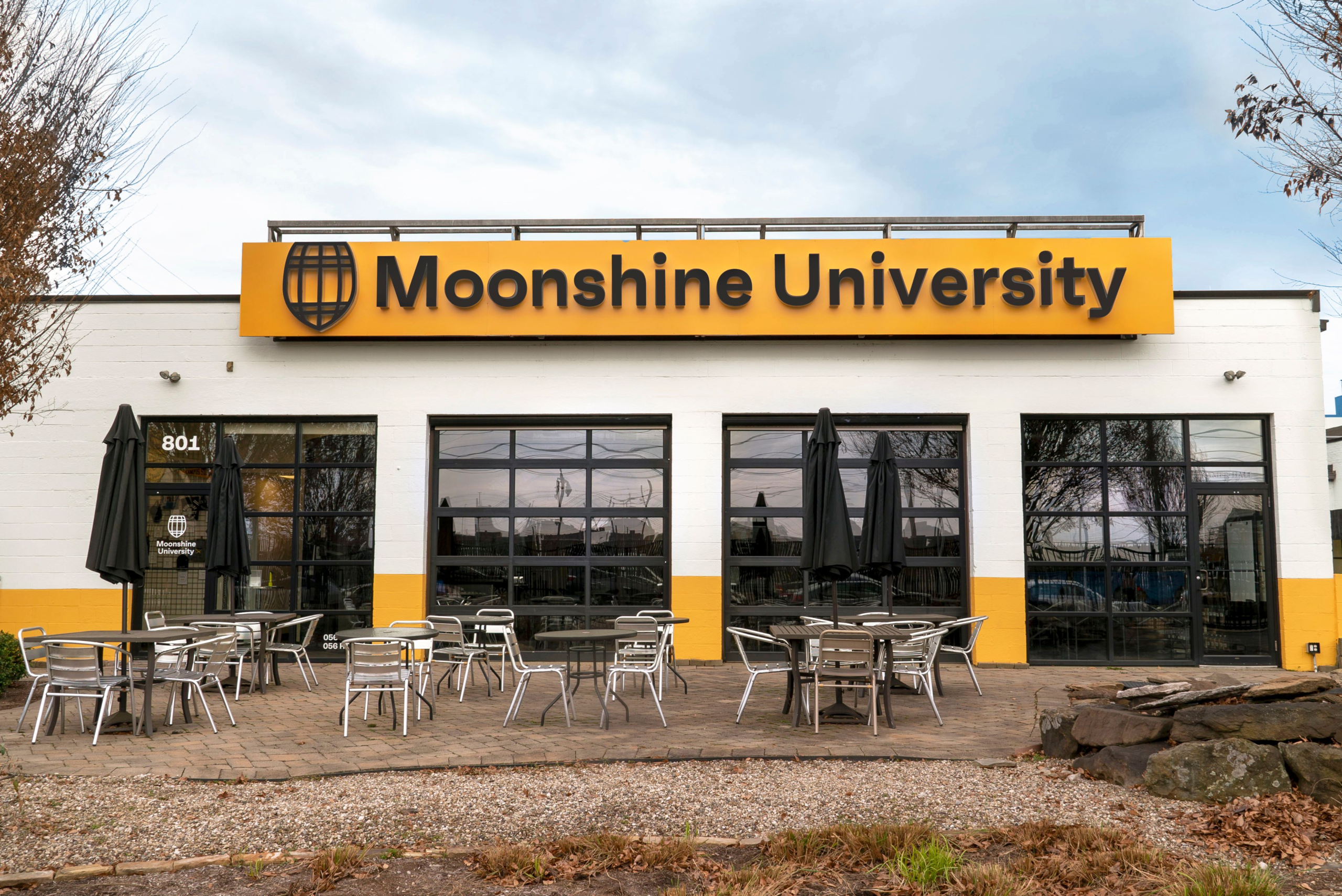
Flavorman will close Moonshine University after fourteen years of operation. Courses continue through 2026 while training materials and certification programmes seek new organisational homes.
-
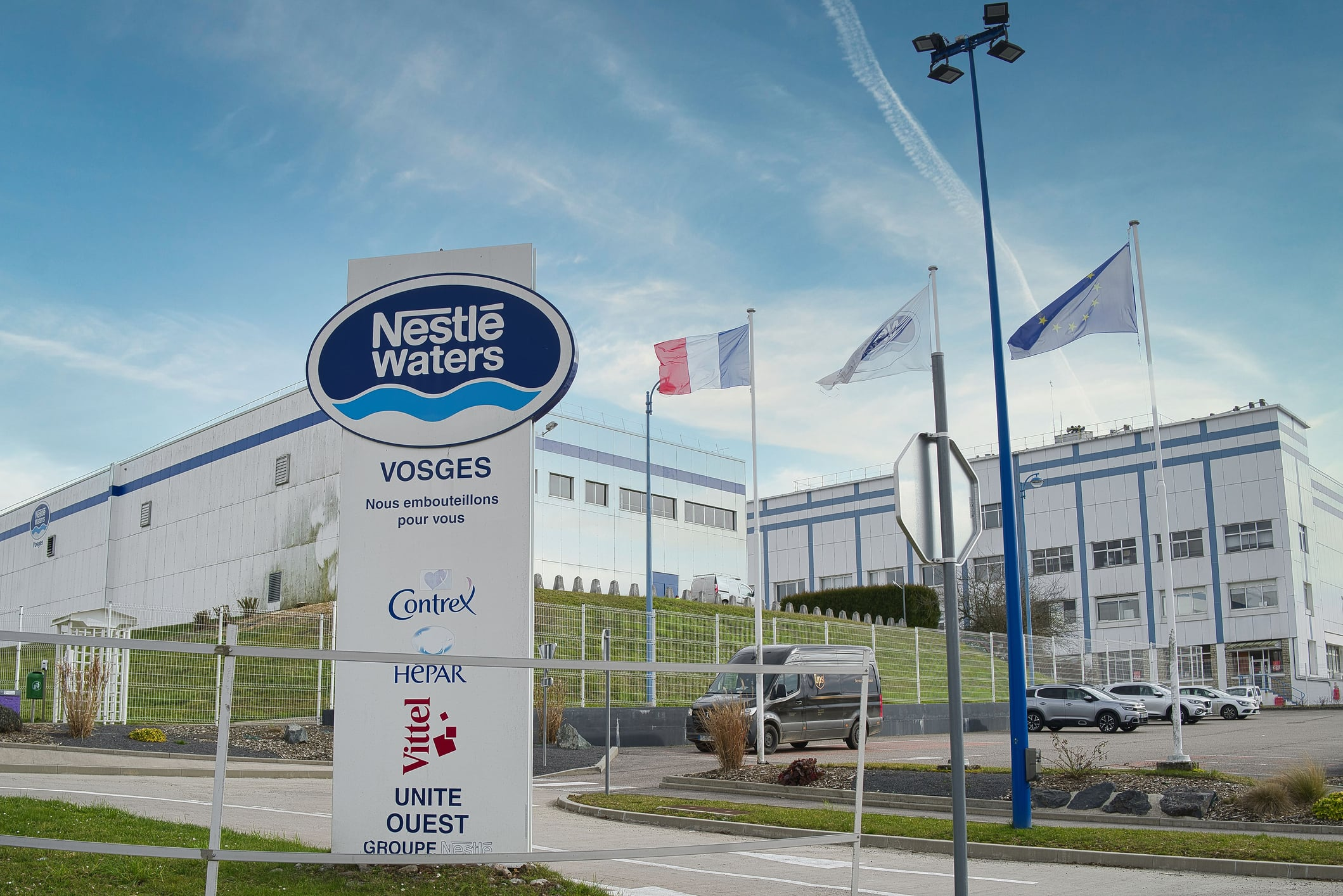
Nestlé and Platinum Equity will establish Peranel as a venture. The €4.9 billion business will contain more than 30 water and premium beverage brands.
-
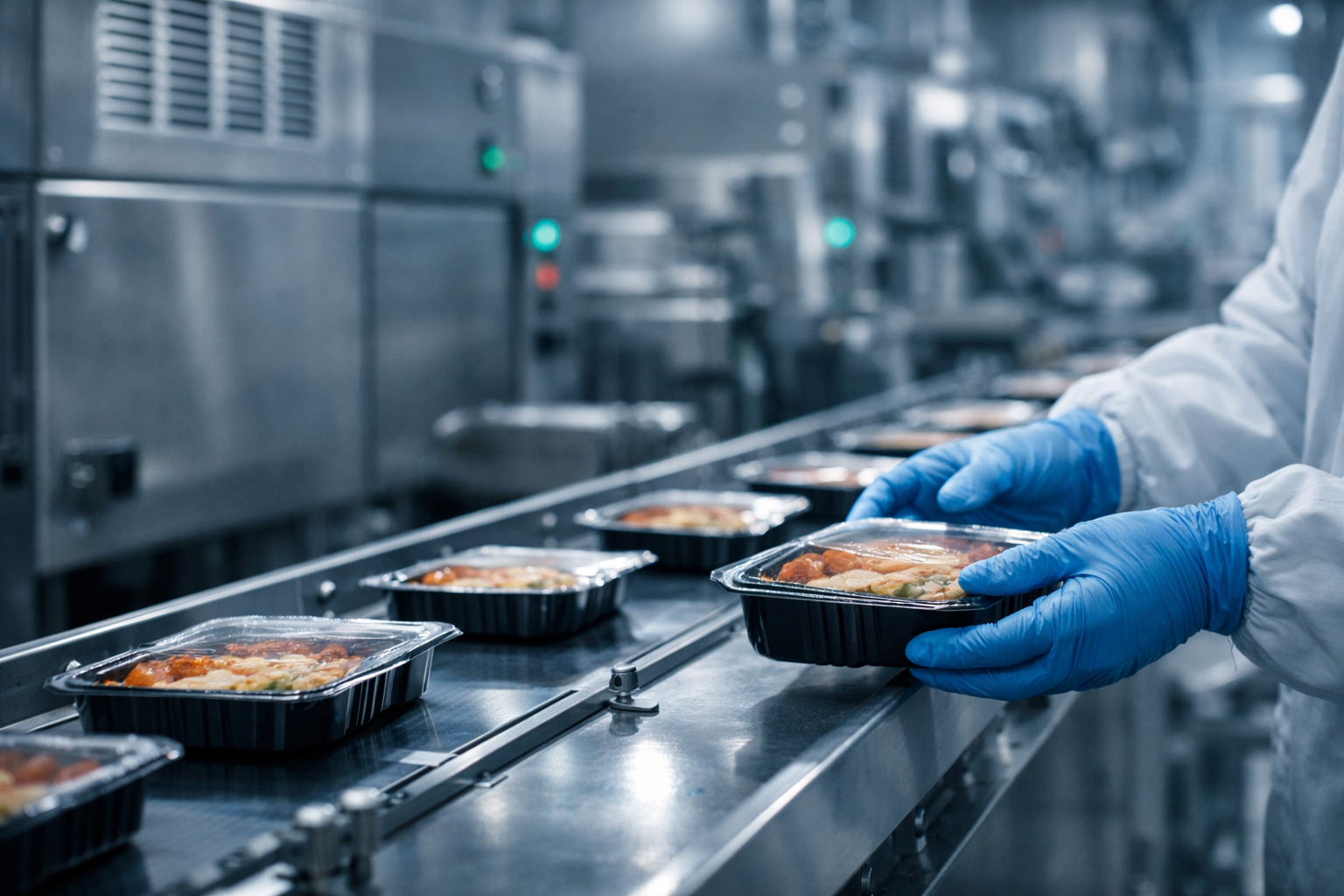
CCEP has deployed Spot robots across seven UK production lines. The systems collect vibration, ultrasound, thermal, and visual data from almost 600 inspection points.
-
Britain’s soft drinks market reached a record £26.3bn last year. Volumes continued growing while manufacturers prepared for levy changes, deposit returns, and sustained packaging and utility costs.
-

New guidance targets bacterial spores in plant based beverage ingredients. The work strengthens specifications, detection methods, thermal validation, and shelf life controls for ambient products.
-
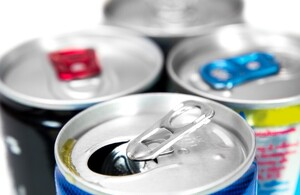
England will restrict high caffeine energy drink sales from 2027. Manufacturers and retailers must align product data, age controls, vending systems, online listings, and market-specific compliance before implementation.
-
Glassmakers face a proposed global framework for measuring responsible production. The draft standard covers emissions, sourcing, water, labour, circularity, reporting, and future certification across the international glass value chain.
-

England will prohibit energy drink sales to under-16s from April. Manufacturers and retailers must align product data, vending systems, checkout controls, and online age verification before implementation.
-
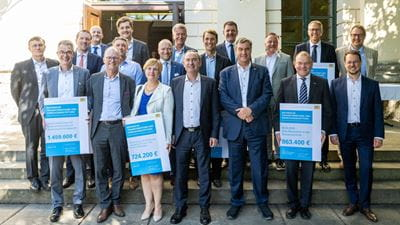
GEA is integrating brewhouse stages to improve high-gravity processing efficiency. The SUD-2030 project targets lower water and energy use without sacrificing wort quality.