
Category: Beverage
-
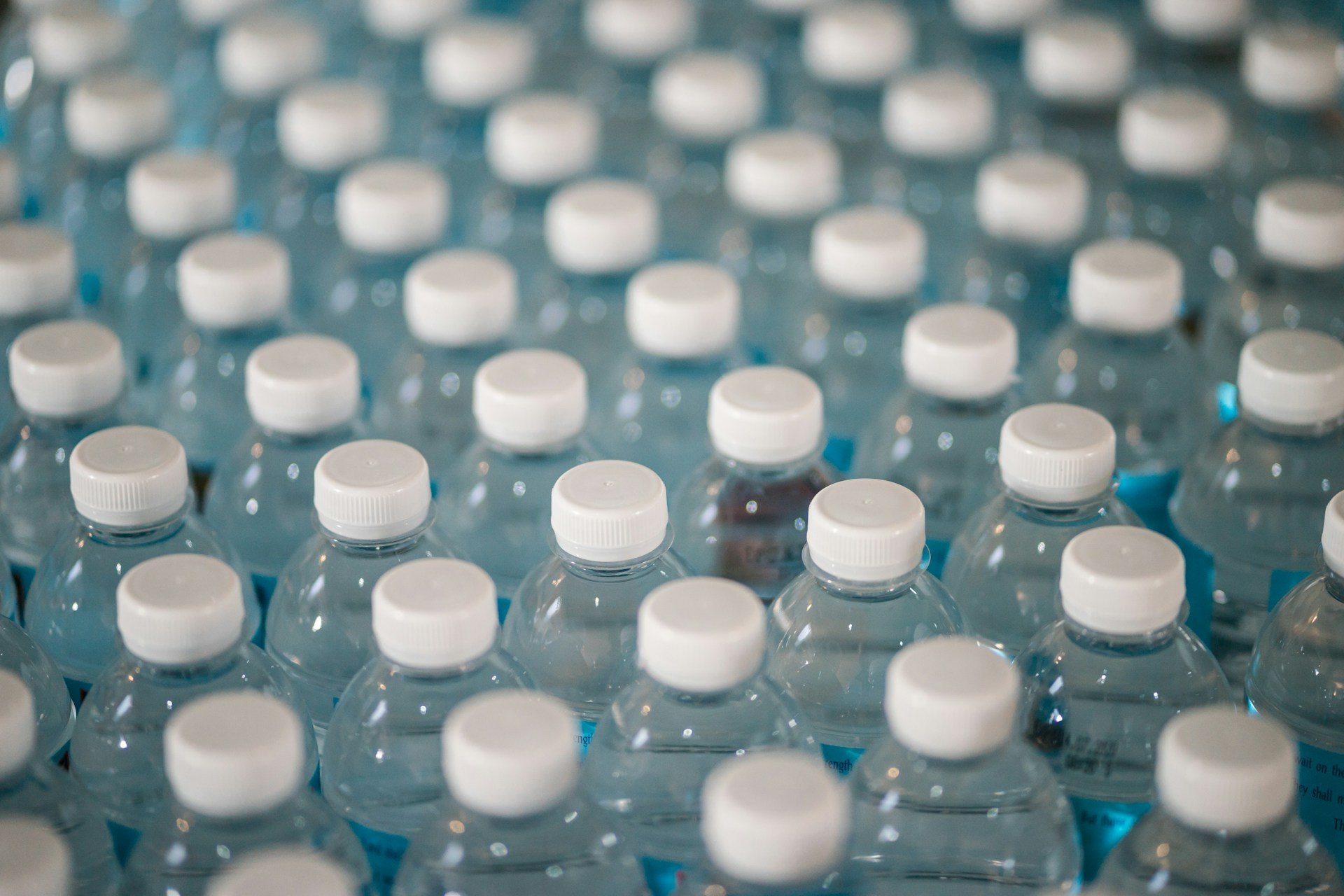
Wosana has expanded aseptic beverage capacity through two Krones lines. The latest installation raises output while reducing sterilisation, energy, and compressed-air demand.
-
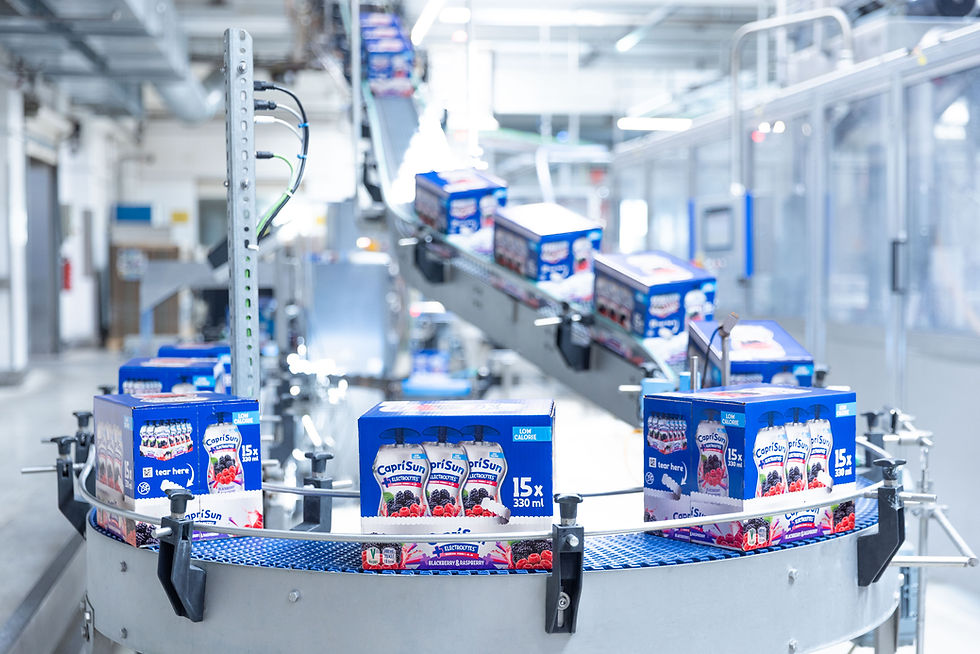
Capri Sun is expanding European beverage manufacturing capacity through Poland. The €70m Stargard project will shorten regional supply routes while creating room for further production growth.
-
Suntory has secured planning approval for its Coleford factory expansion. The building work will support a £25 million high-speed bottling line.
-
Krones has validated Mongolia’s first complete dry aseptic beverage line. The turnkey installation combines bottle production, UHT treatment, filling, labelling, and downstream handling.
-
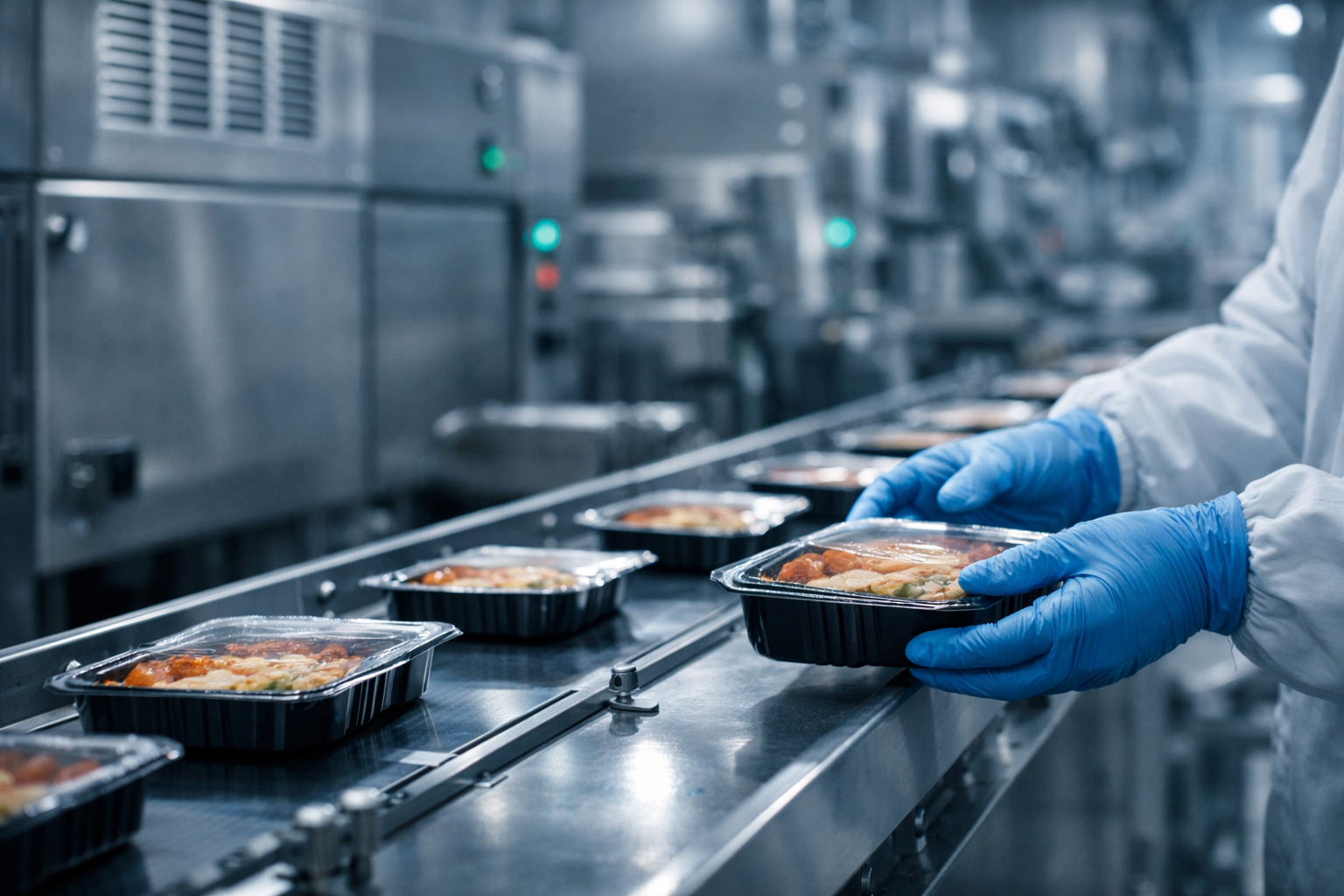
Capri-Sun has recalled Orange multipacks containing incorrectly labelled individual pouches. Regular sugared drink entered packaging marked as the Orange Zero variant.
-
Welsh glass deposit plans face renewed opposition from industry groups. Producers warn that regulatory divergence will multiply packaging, stock, data, and return systems.
-

Oterra has launched liquid versions of two natural blue colours. The pumpable formats target faster dispersion, cleaner handling, and automated dosing.
-
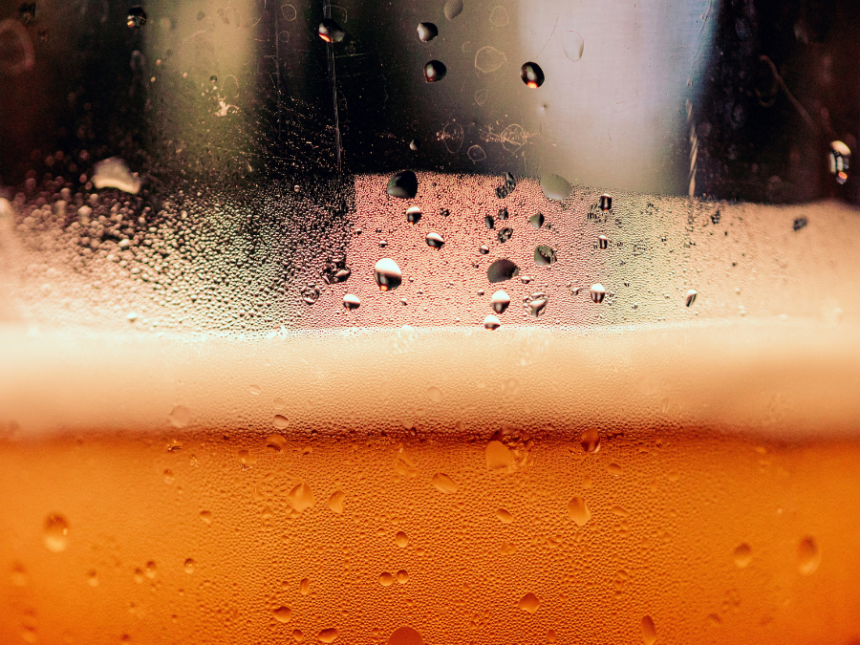
European beer production and consumption both declined again during 2025. Alcohol free volumes continued growing as breweries adjusted capacity, portfolios, and packaging.
-
dsm-firmenich and Nous will commercialise a caffeine free botanical system. The partnership combines extraction technology with clinical, regulatory, and formulation support.
-

Brewers now want Britain’s alcohol-free threshold raised to 0.5% ABV. The proposed change would affect brewing processes, labels, exports, investment decisions, and the expanding draught market.