
Category: Markets
-

Nestlé is extending KitKat’s sharing range with two variants nationally. Milk Chocolate and Brownie bars will launch from August.
-
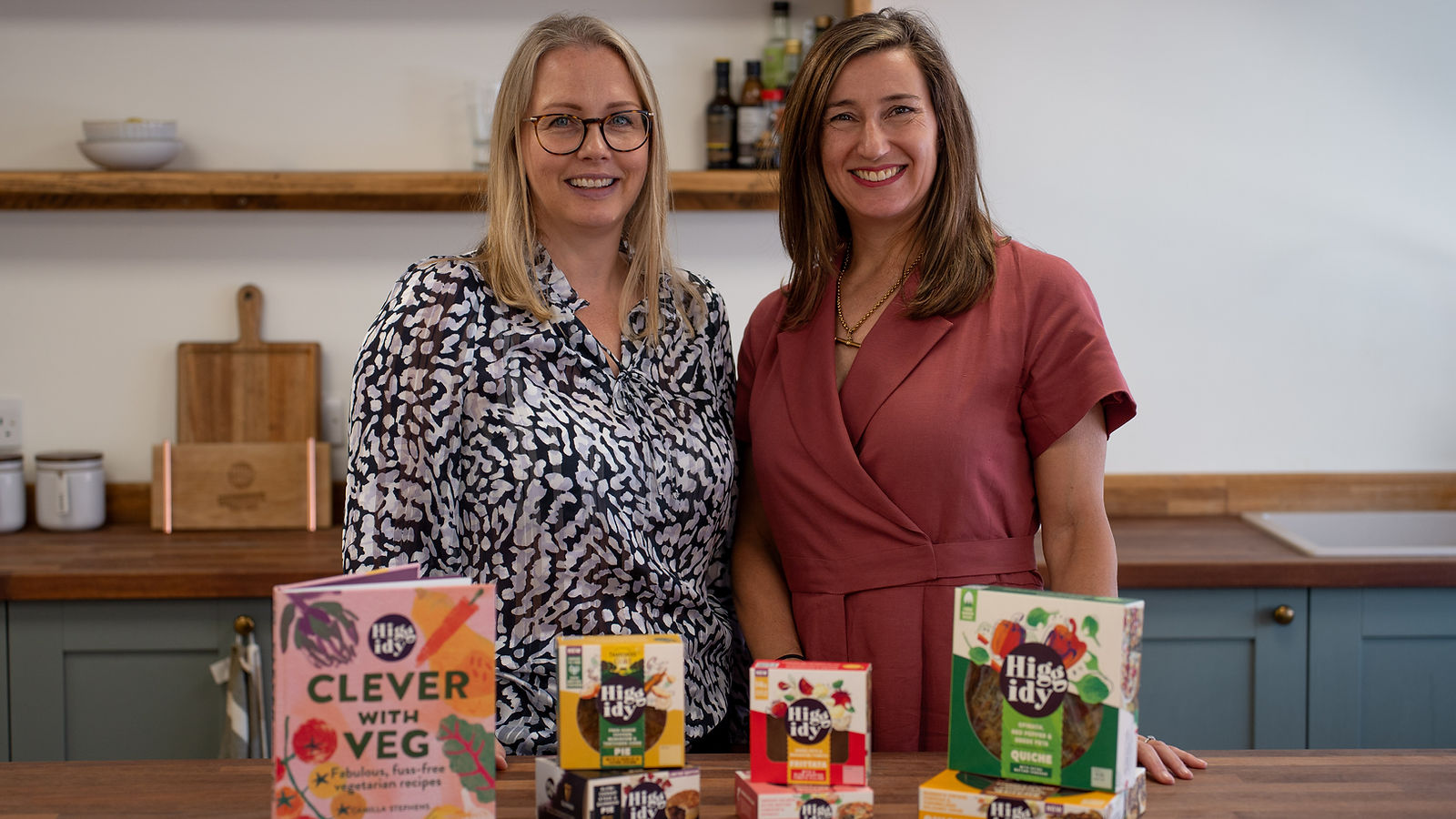
Rachel Kelley is leaving Higgidy to lead KTC Edible Oils. Emma Stowers will oversee Higgidy alongside her existing Ginsters role.
-

Warburtons has confirmed the cause of its Burnley bakery fire. Raw potato mixture continued burning after reaching heated equipment.
-

Defra has outlined sweeping SPS changes for British manufacturers nationwide. The proposed agreement covers safety, ingredients, packaging, hygiene, and trade.
-

European seafood organisations want blue foods embedded within policy planning. Their proposal connects production, processing, trade, and protein resilience.
-
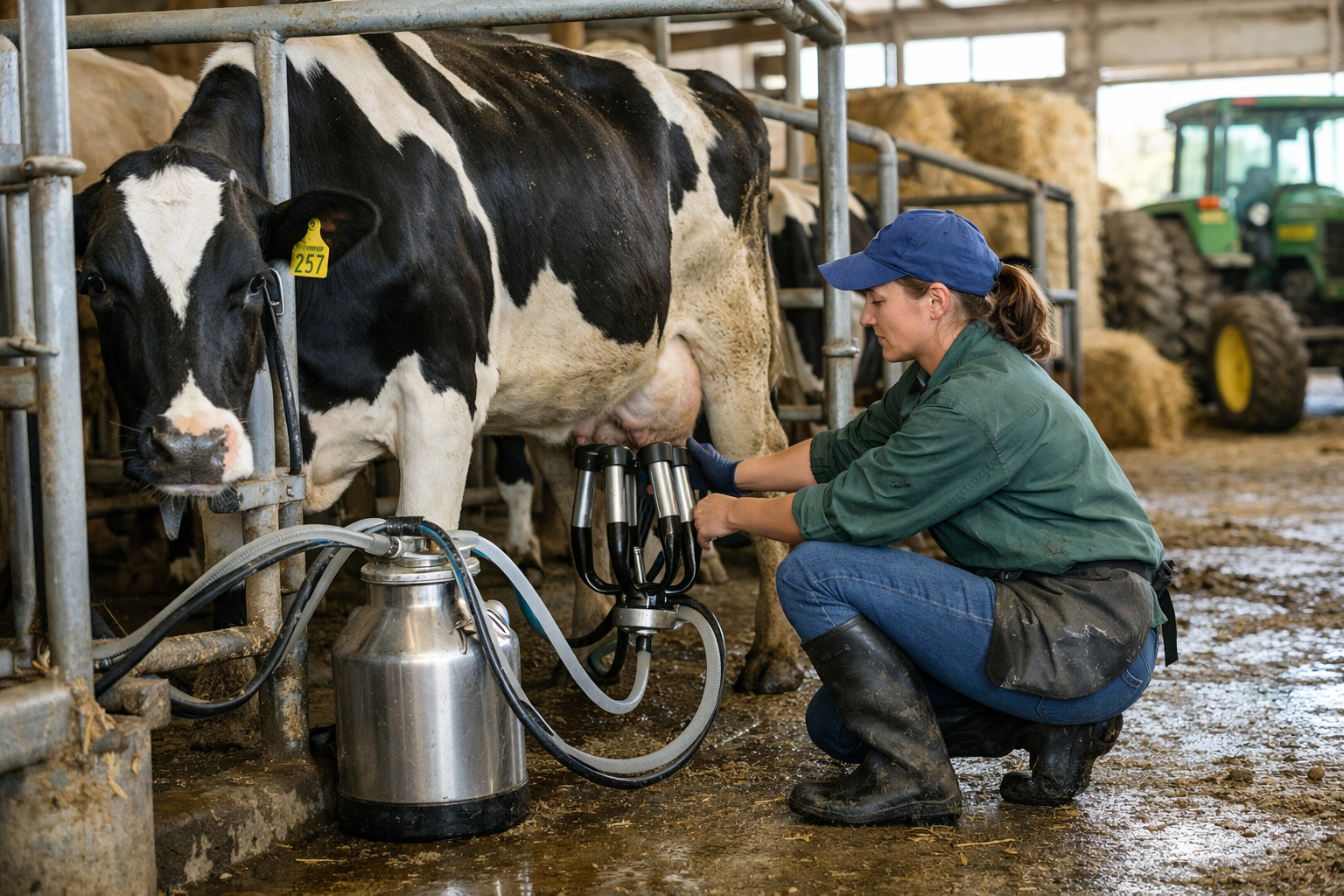
Irish milk intake fell again despite stronger component quality levels. Higher fat and protein partly supported dairy manufacturing value.
-
Nestlé returned to volume growth while major commodity pressures persisted. Cocoa, coffee, tariffs, recalls, and restructuring continued weighing on margins.
-

Nueva Pescanova has withdrawn its proposed Gran Canaria octopus farm. Regulatory, environmental, welfare, and commercial barriers remain unresolved.
-

Arla’s new Linköping line will expand European skyr production capacity. Operation is scheduled from early 2028 across several pack formats.
-

US forced labour tariffs are widening food trade compliance risks. The measures affect origin evidence, classifications, supplier controls, and landed costs.