
Category: Food safety
-

Industrial poultry systems have accelerated Campylobacter movement between bacterial populations. Genomic research links intensive production with increased bacterial mixing, adaptation, antimicrobial resistance, and foodborne disease risk.
-

Automated media preparation is targeting persistent food laboratory testing bottlenecks. InstaFlux combines dispensing, enrichment, barcode control, and digital records within one integrated microbiology workflow.
-
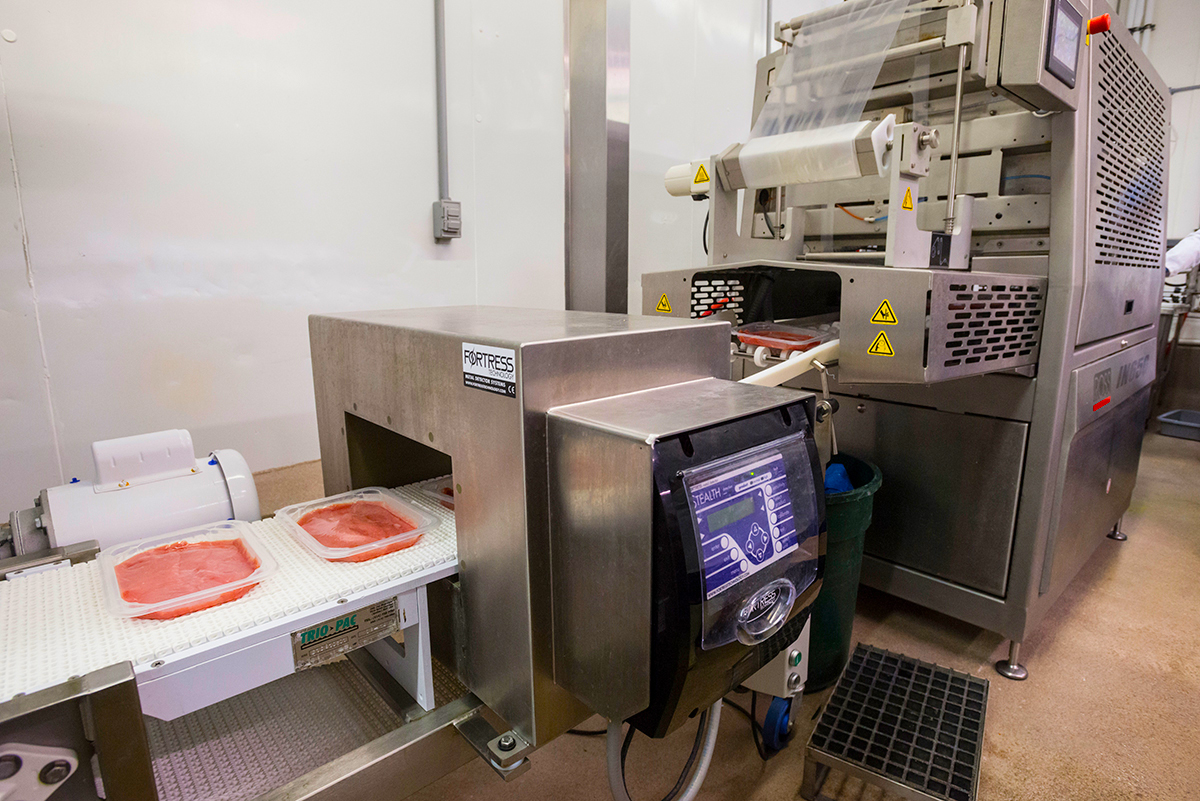
Fortress Technology marks three decades of increasingly connected food inspection. Automation, traceability, testing, and upstream control now shape detection systems.
-
UK food incidents increased as supply networks grew more complex. Pathogens, allergens, labelling, and international traceability dominated regulatory activity.
-
Baumer has expanded inline inspection using smarter profile sensor technology. On-sensor evaluation targets packaging checks without a separate vision controller.
-

New EU limits will tighten controls on mineral oil contamination. Manufacturers must review testing, packaging, lubricants, equipment, and supplier assurance.
-

Warburtons has confirmed the cause of its Burnley bakery fire. Raw potato mixture continued burning after reaching heated equipment.
-
Defra has outlined sweeping SPS changes for British manufacturers nationwide. The proposed agreement covers safety, ingredients, packaging, hygiene, and trade.
-

European guidance seeks to accelerate industrial adoption of seaweed ingredients. Safety, functionality, regulation, and supply consistency remain central requirements.
-

Graham’s has recalled milk over possible antibiotic residue contamination risks. Three semi-skimmed formats dated 31 July 2026 are affected, with particular risk to consumers allergic to penicillin.