
Category: Food safety
-
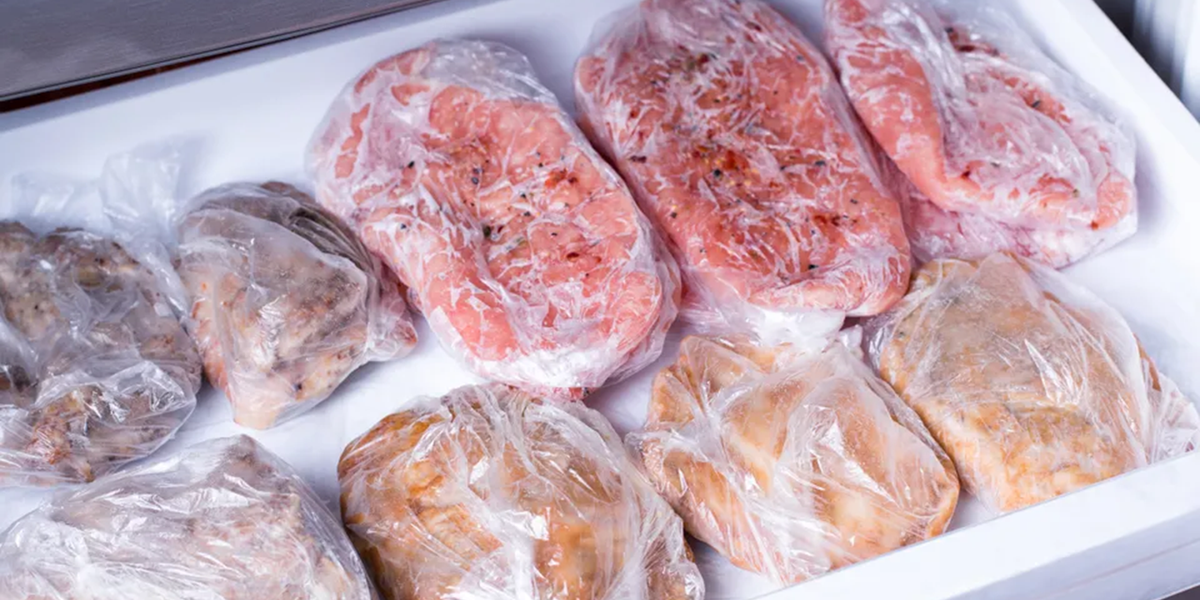
Dutch authorities found negligible microbial risk in meat from Esro. The finding does not alter concerns over material eligibility, documentation, accreditation, and suspected fraud.
-
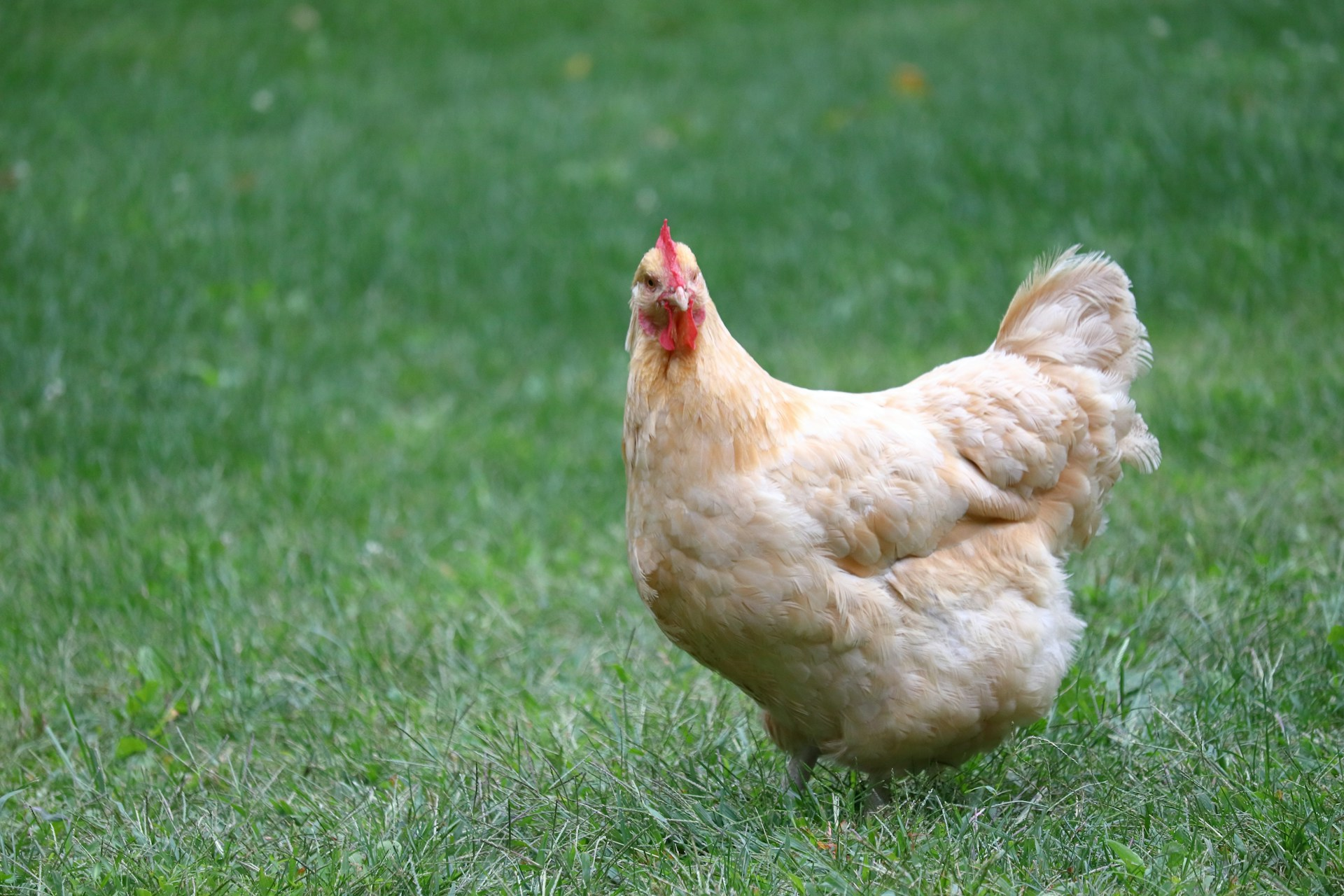
Livetec has made its poultry biosecurity assessment freely available nationwide. The digital tool provides overall and zone-level scores before Defra-funded veterinary reviews.
-

Openshaw Superstore has been fined over an undeclared peanut allergen. Laboratory testing found enough peanut in a small serving to trigger a serious reaction.
-
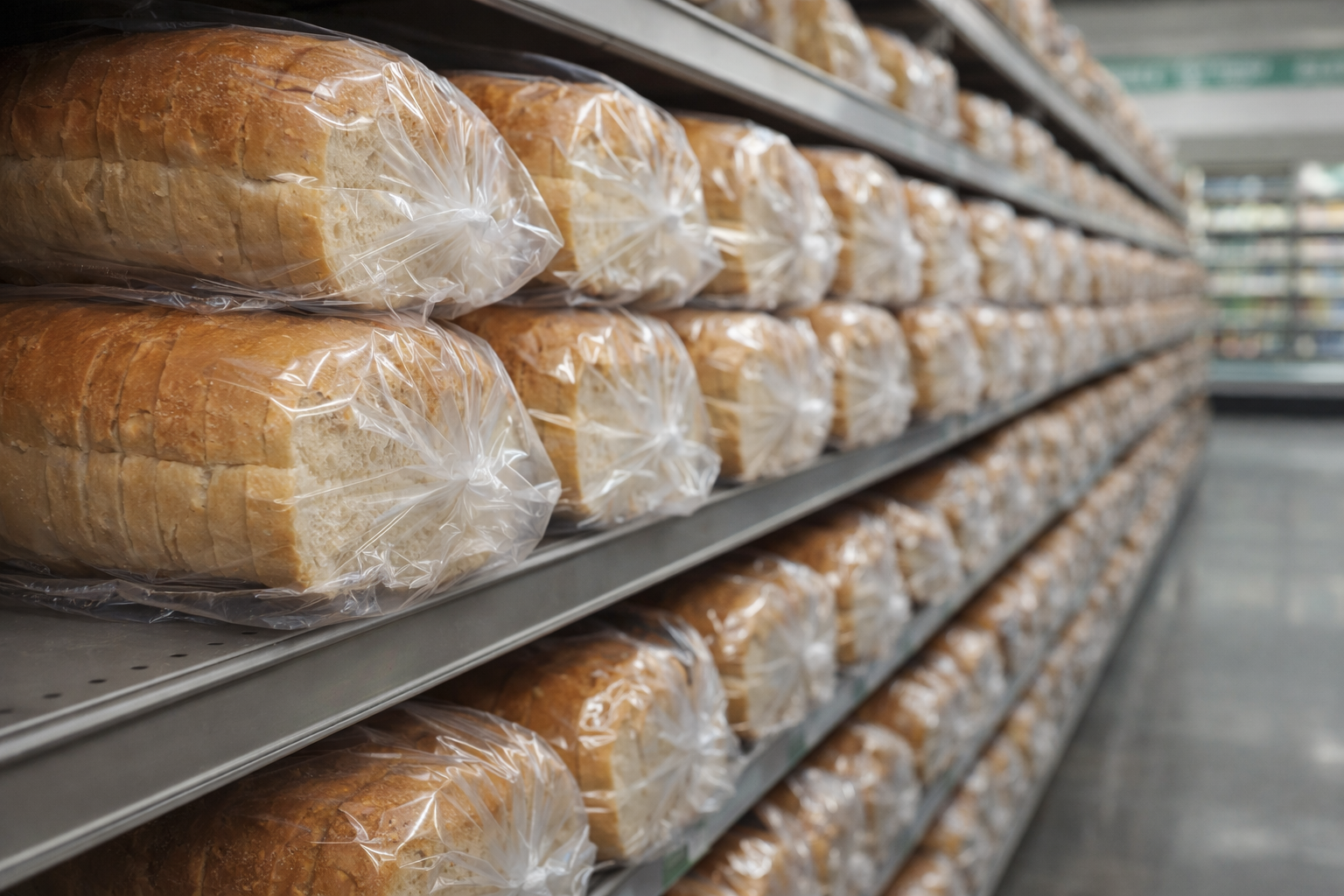
Waitrose has recalled brioche rolls over possible foreign body contamination. The affected batch may contain hard plastic and metal fragments and is unsafe to eat.
-
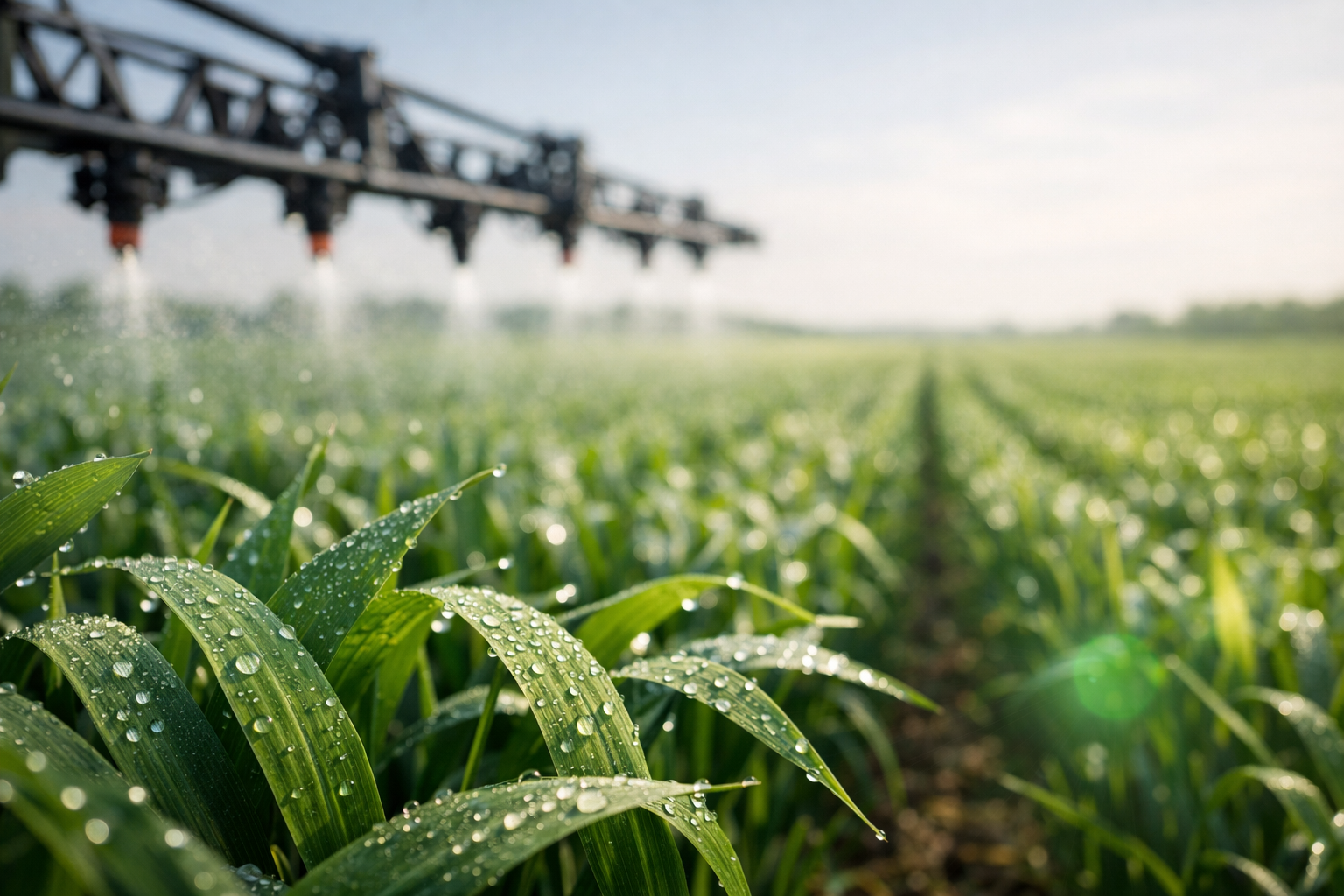
EFSA has lowered its safe dietary threshold for trifluoroacetic acid. The revised values will inform future European pesticide, water, crop, and food risk assessments.
-

Manufacturers increasingly expect video systems to support operational decisions directly. Axis research identifies limited integration across productivity, quality, compliance, and safety despite growing interest in visual intelligence.
-

Puratos has been fined after workers faced hazardous ingredient dust. Inspectors identified machinery leaks, compressed-air cleaning, excessive exposure, and daily manual lifting at its Buckingham site.
-

New guidance targets bacterial spores in plant based beverage ingredients. The work strengthens specifications, detection methods, thermal validation, and shelf life controls for ambient products.
-
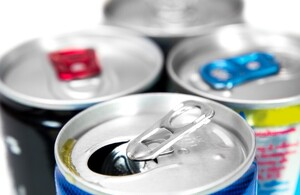
England will restrict high caffeine energy drink sales from 2027. Manufacturers and retailers must align product data, age controls, vending systems, online listings, and market-specific compliance before implementation.
-
Europe’s principal BPA transition deadline has now passed for packaging. Food manufacturers must verify material composition, declarations, market destination, and remaining exemptions before placing affected articles on EU or Northern Irish markets.