
Category: Topics
-
Dry4Good will expand French capacity for ambient ingredient drying significantly. Two additional lines will support natural powders, granules, and inclusions.
-

Baumer has expanded inline inspection using smarter profile sensor technology. On-sensor evaluation targets packaging checks without a separate vision controller.
-
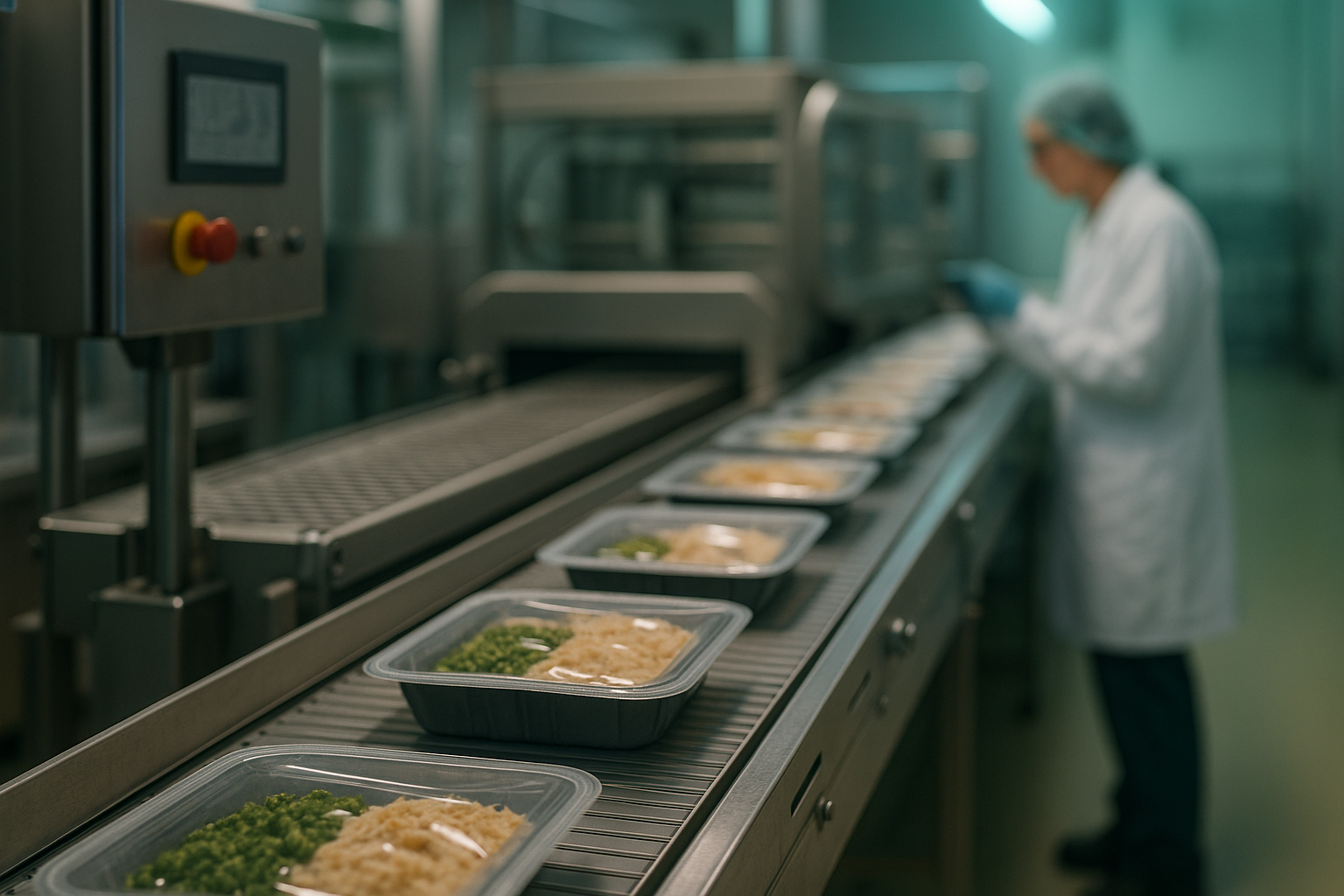
Italian packaging machinery sales grew while export orders weakened sharply. Higher input costs and uncertain trade conditions are constraining investment.
-

New EU limits will tighten controls on mineral oil contamination. Manufacturers must review testing, packaging, lubricants, equipment, and supplier assurance.
-
TRASH has secured two prominent London listings for cacao water. The drink uses pulp removed before cocoa bean processing.
-
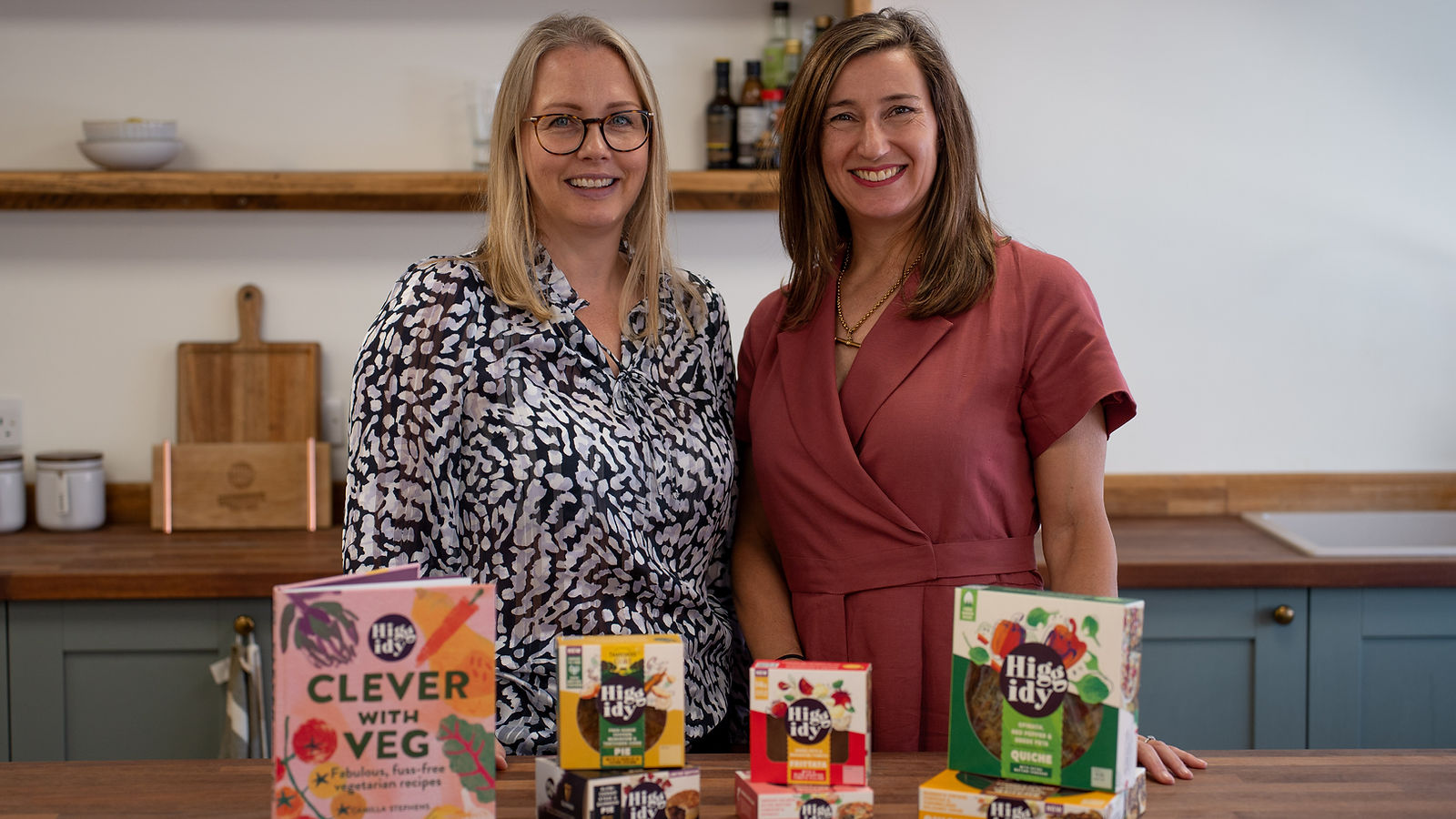
Rachel Kelley is leaving Higgidy to lead KTC Edible Oils. Emma Stowers will oversee Higgidy alongside her existing Ginsters role.
-
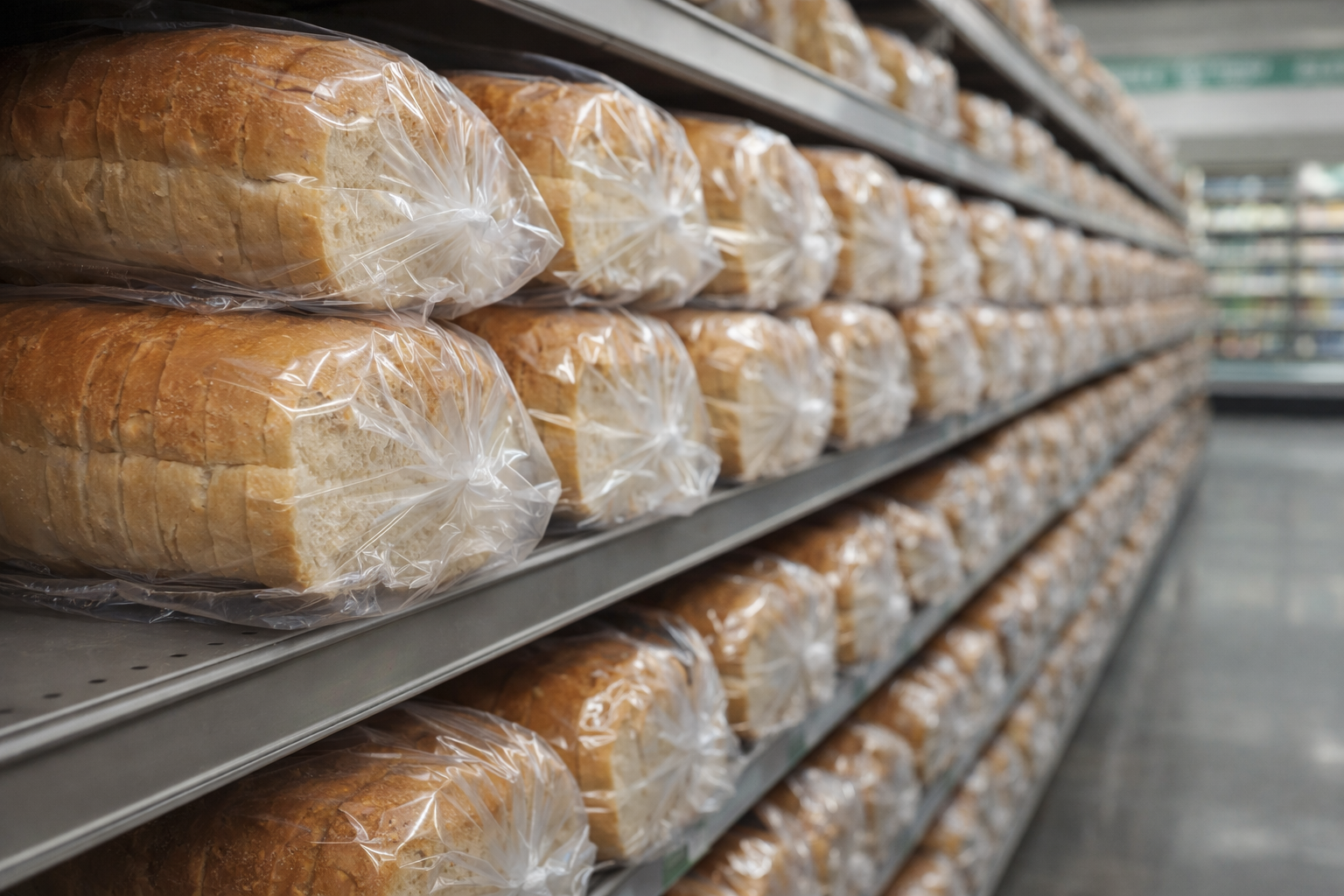
Warburtons has confirmed the cause of its Burnley bakery fire. Raw potato mixture continued burning after reaching heated equipment.
-
Defra has outlined sweeping SPS changes for British manufacturers nationwide. The proposed agreement covers safety, ingredients, packaging, hygiene, and trade.
-
Cryovac’s anniversary highlights tighter integration across food packaging systems worldwide. Materials, machinery, service, and recyclability increasingly develop together.
-
European guidance seeks to accelerate industrial adoption of seaweed ingredients. Safety, functionality, regulation, and supply consistency remain central requirements.