
Category: Topics
-
InFACT has launched to tackle flexible household food packaging recycling. The project brings 16 partners together across packaging, recycling, and food production.
-

Coperion has received FDA confirmation for food-contact polyolefin recycling systems. The approval covers rHDPE and rPP production at industrial throughputs.
-
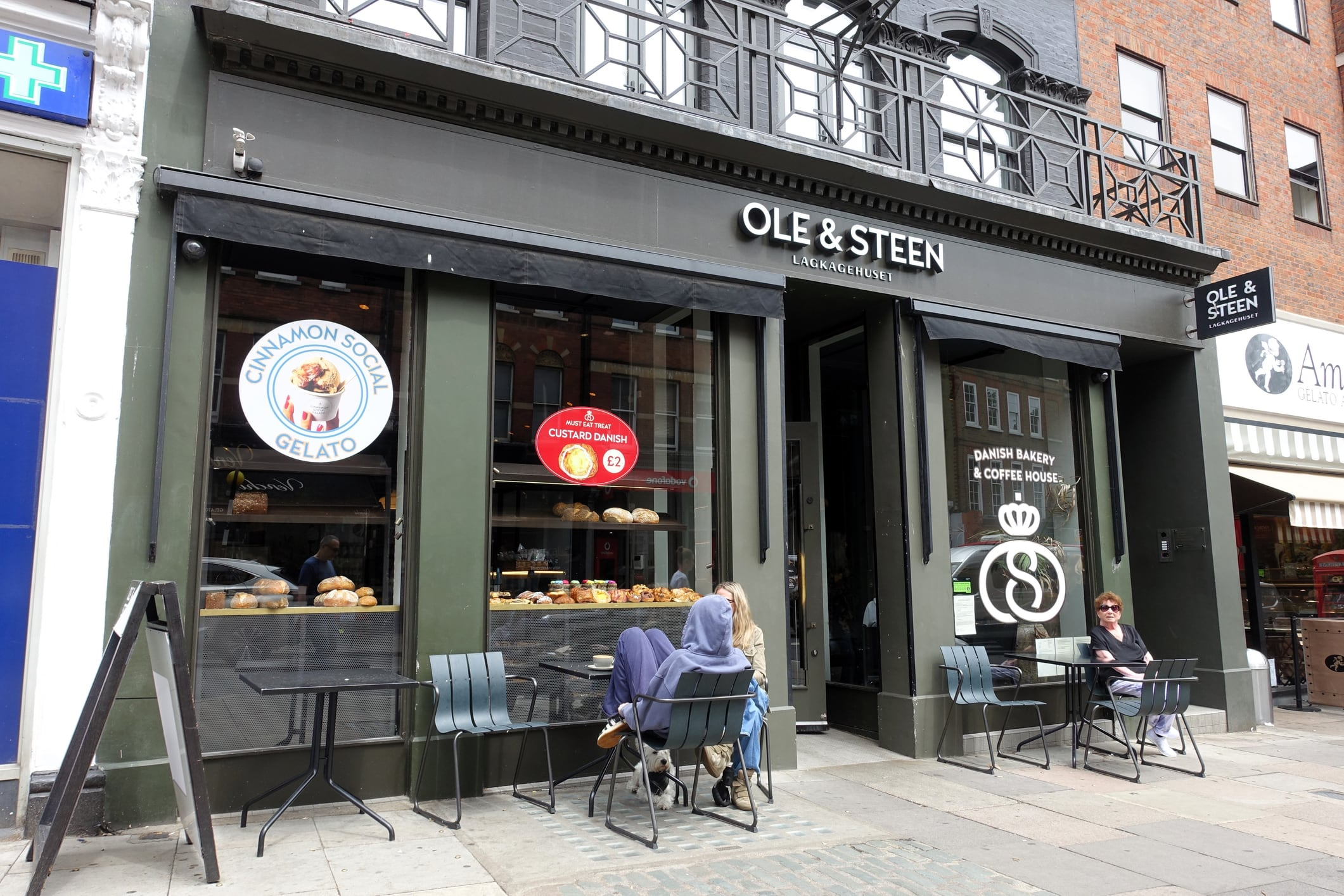
Ole & Steen has been fined over serious hygiene failings. Inspectors found mouse activity, droppings, and poor food safety controls.
-

Clasen Quality Chocolate has deployed Beacon for cocoa visibility planning. The system replaces manual carrier checks with live import data.
-
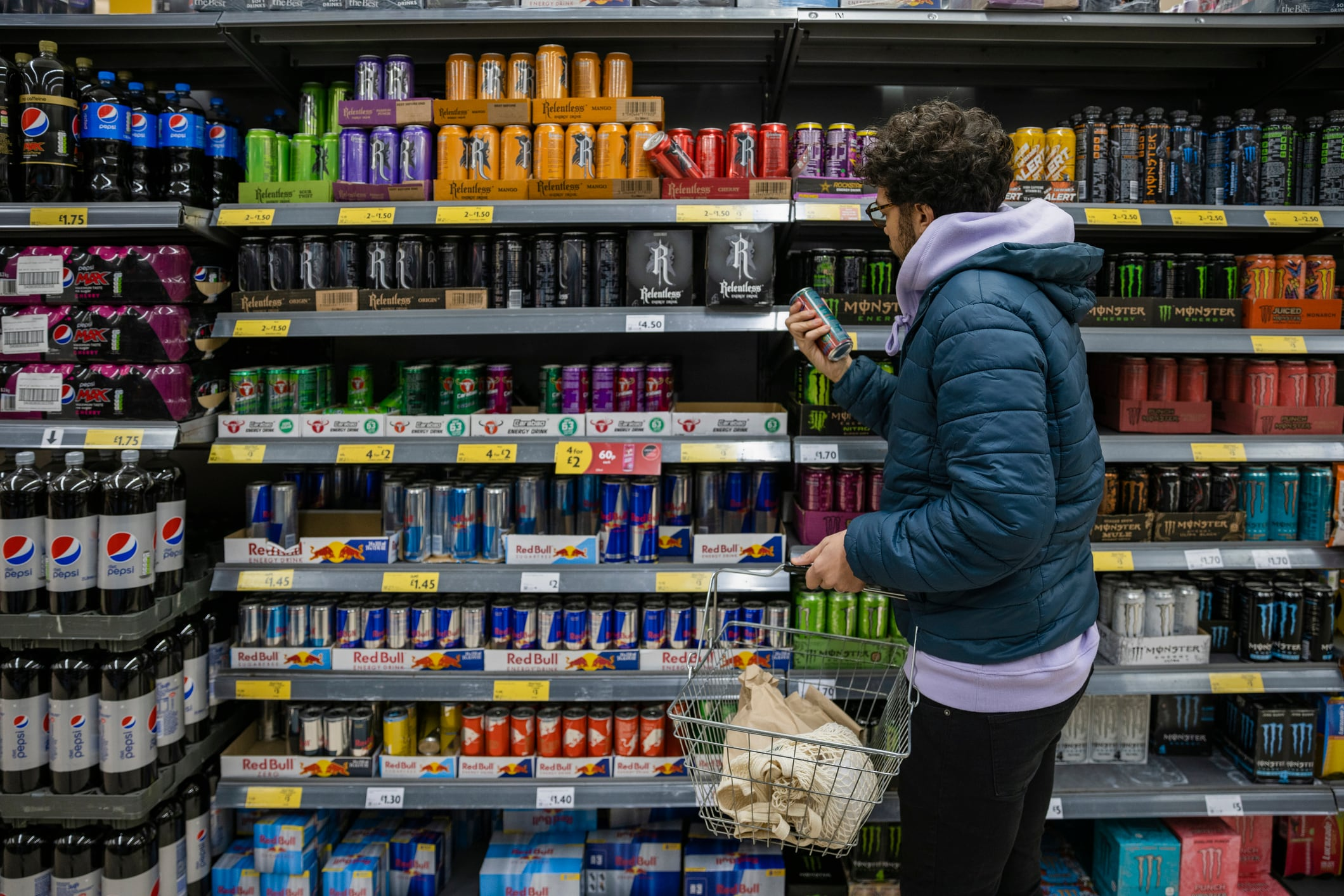
Pressure is building over delayed UK energy drink restrictions legislation. Beverage producers face continued uncertainty around caffeine controls.
-

Eddie Stobart drivers have called off planned Morrisons strike action. The settlement reduces immediate disruption risk across northern grocery logistics.
-
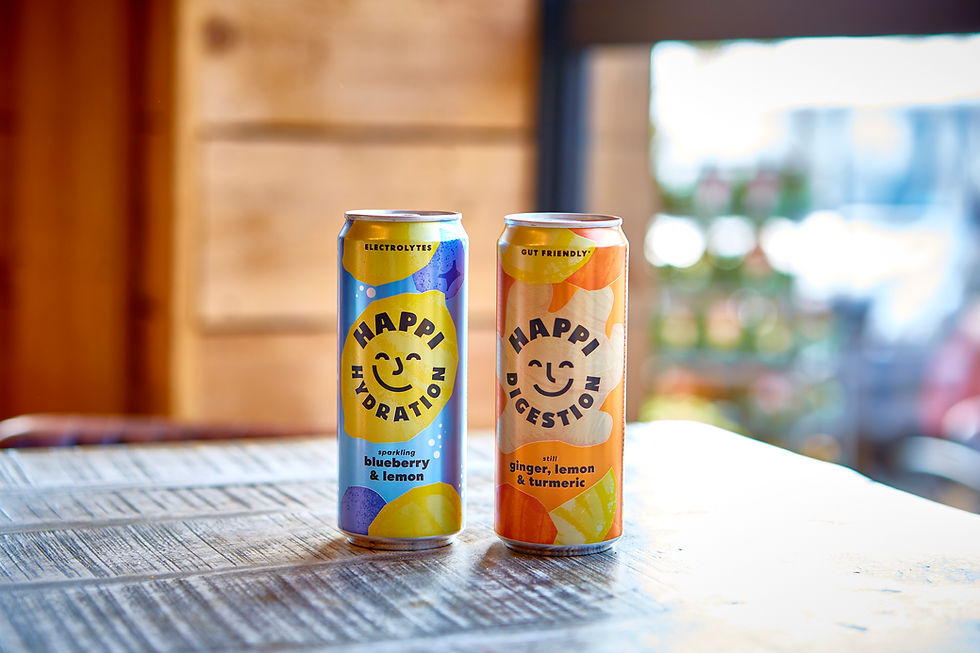
Belvoir Farm has entered functional drinks with canned Happi range. The launch targets hydration and digestion through fruit-led formulations.
-

Lindt has completed certified cocoa sourcing across its programme worldwide. Packaging updates will progressively add the Rainforest Alliance seal.
-

Mars has reached new renewable electricity and emissions milestones globally. Manufacturing investment and agricultural programmes now share the same resilience plan.
-

Nestlé’s water divestment faces scrutiny over treatment and compliance risks. Mineral water identity is now directly tied to asset value.