
Category: Technology
-
Dry4Good will expand French capacity for ambient ingredient drying significantly. Two additional lines will support natural powders, granules, and inclusions.
-
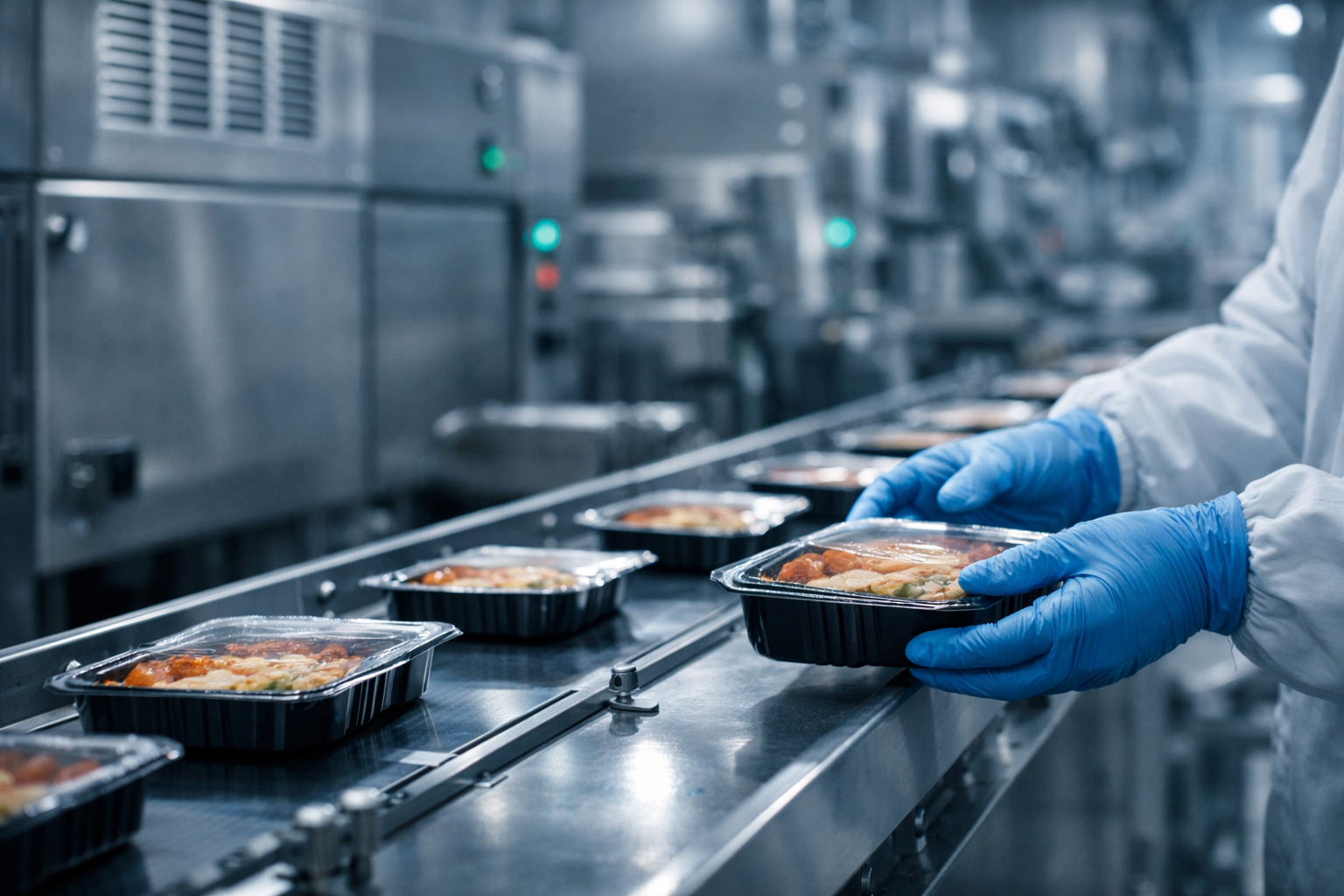
Baumer has expanded inline inspection using smarter profile sensor technology. On-sensor evaluation targets packaging checks without a separate vision controller.
-
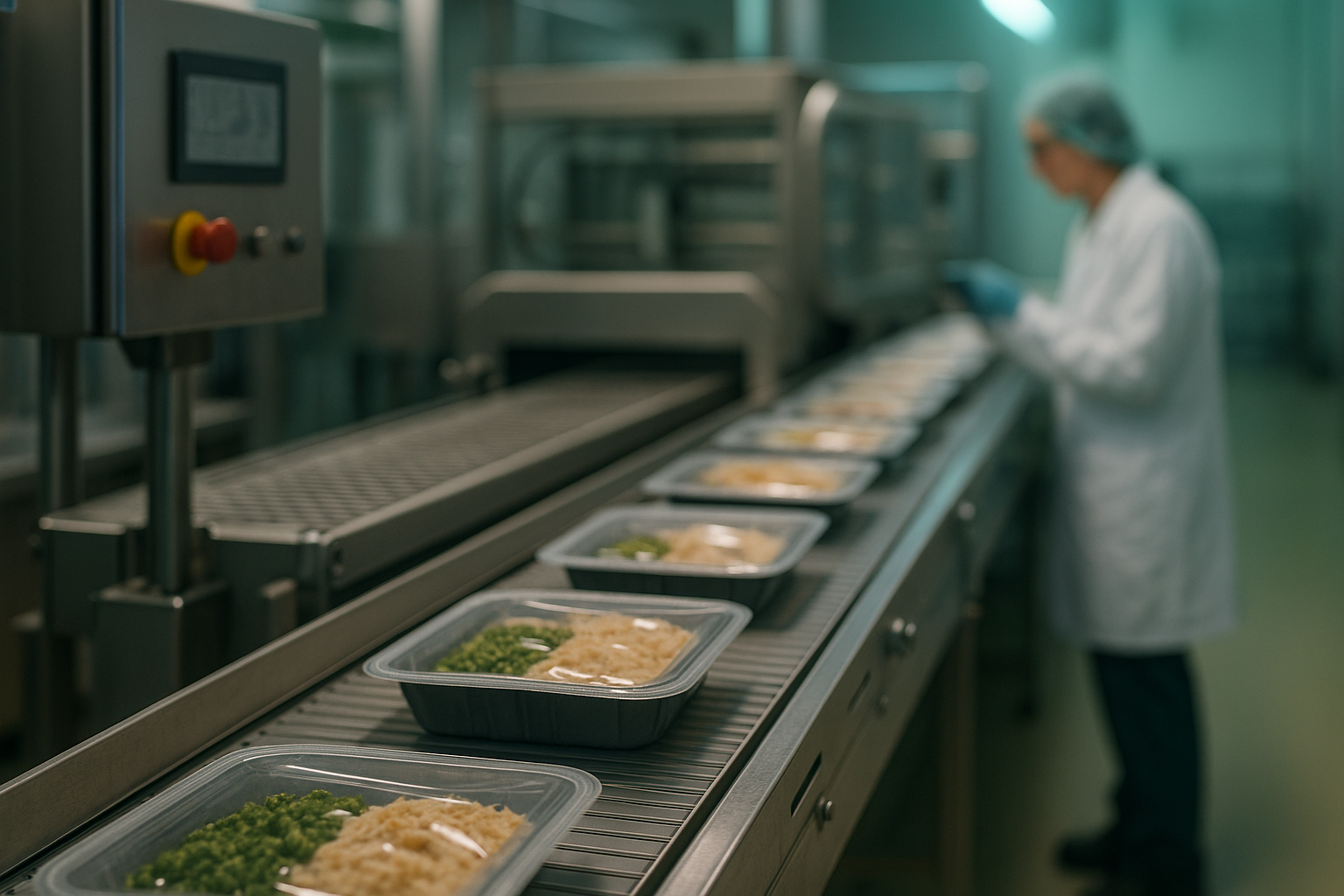
Italian packaging machinery sales grew while export orders weakened sharply. Higher input costs and uncertain trade conditions are constraining investment.
-
Cryovac’s anniversary highlights tighter integration across food packaging systems worldwide. Materials, machinery, service, and recyclability increasingly develop together.
-
European guidance seeks to accelerate industrial adoption of seaweed ingredients. Safety, functionality, regulation, and supply consistency remain central requirements.
-

Digital farming remains concentrated among Europe’s largest agricultural business operations. Eurostat data shows limited adoption of management software, robotics, and precision systems across smaller holdings.
-
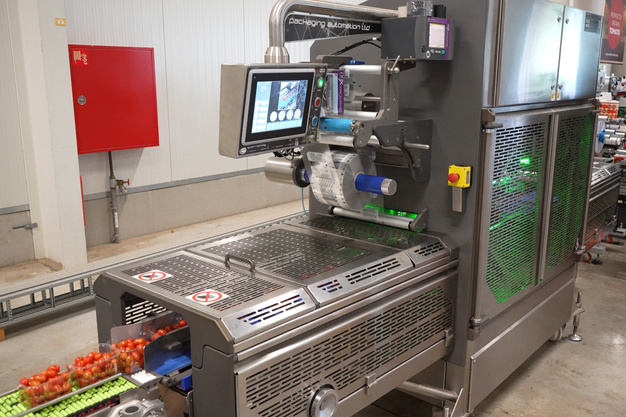
Den Berk has installed a faster automated REV6 top sealer. The Belgian producer is using the system to support lighter mono material packs and quicker format changes.
-

Lanitech has united two established German processing and packaging businesses. The combined operation brings clipping, machinery, flavour technology, service, and spare parts support under one organisation.
-
Specright has automated conformity reporting for Europe’s new packaging rules. The platform connects finished packs with specifications, supplier evidence, and PPWR technical documentation.
-
Handtmann has completed four decades of UK food processing operations. Its expanded innovation centre will support trials across filling, forming, dosing, portioning, and integrated production lines.